Statewide Services Disrupted; Thousands of Buses Idling
Telangana, April 22, 2026 – Public transportation across Telangana has been significantly impacted today, April 22, 2026, as Telangana State Road Transport Corporation (TGSRTC) workers commenced an indefinite strike from midnight. The action follows a collapse in negotiations between the transport unions, operating under the Joint Action Committee (JAC), and the state government concerning a long list of demands.
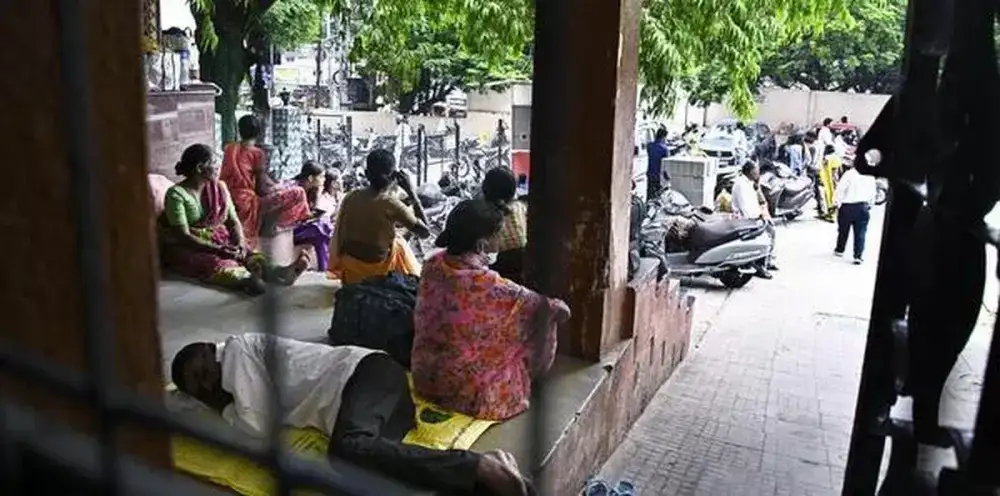
An estimated 6,000 to 9,000 TGSRTC buses are off the roads across the state, affecting the daily commutes of lakhs of passengers, with some reports suggesting the number could be as high as 5 to 65 lakh individuals per day. The strike has left commuters, including students, low-income workers, and a significant number of women who previously benefited from free travel, facing considerable inconvenience and uncertainty.
Key Demands Ignite Standoff
The core of the dispute centers on 30-32 demands put forth by the RTC unions. A primary objective for the workers is the merger of TGSRTC with the state government. They argue this move would ensure improved pay scales, enhanced job security, and parity with government employees. Other significant demands include the holding of labour union elections and the implementation of government-level salary structures and benefits.
Read More: Elizabeth Line Helps Londoners During Tube Strike on July 6
Government Response and Commuter Repercussions
In an attempt to mitigate the disruption, the Telangana government has formed a high-level committee comprising special chief secretaries from departments like roads & buildings, labour, and finance, along with the TGSRTC managing director. This committee was established on Tuesday, April 21, to examine the grievances of the RTC employees. However, union leaders have rejected proposals for further time, insisting on immediate action.
The immediate aftermath of the strike has seen:
Private buses, hired drivers, and electric buses being deployed on some routes, particularly in Hyderabad, to manage the overflow.
Hyderabad Metro experiencing a notable surge in ridership.
Private auto-rickshaws and cabs reportedly hiking their fares significantly.
Instances of RTC staff allegedly blocking depots to prevent the movement of hired buses have been reported.
On a typical day, TGSRTC operates over 6,500 buses across the state, serving approximately 26 lakh passengers daily in Hyderabad alone. The disruption is expected to have a considerable economic impact on both commuters and the corporation.
Read More: Telangana cancer data move, but treatment places lack staff