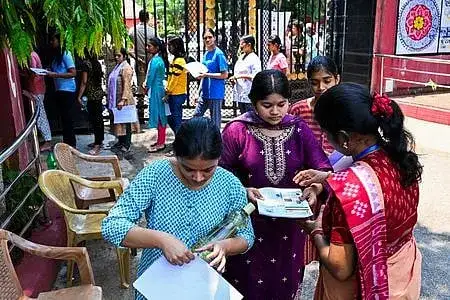
A significant cohort of students, numbering 72,956, is slated to participate in the NEET-UG examination across Telangana. This figure emerges from directives issued during a high-level review meeting convened on Saturday, June 6. The State administration is mobilising resources, establishing 208 examination centres spread across 24 cities within the State to accommodate this considerable influx of candidates.
The examination, a crucial gateway to undergraduate medical admissions nationally, is set to unfold under a framework emphasizing "foolproof arrangements" and a "hassle-free environment." State Chief Secretary K. Ramakrishna Rao underscored the necessity of seamless coordination among various government departments. This includes the Health Department, represented by Principal Secretary Christina Z. Chongthu, who provided updates on the ongoing preparations.

Security protocols are a focal point, with Additional Director General of Police Mahesh Bhagwat mandating comprehensive measures at all centres. His directives emphasize not only physical security but also active social media monitoring to counter potential misinformation. The aim is to ensure the integrity of the examination process, particularly in light of past controversies that have sometimes plagued national entrance tests.
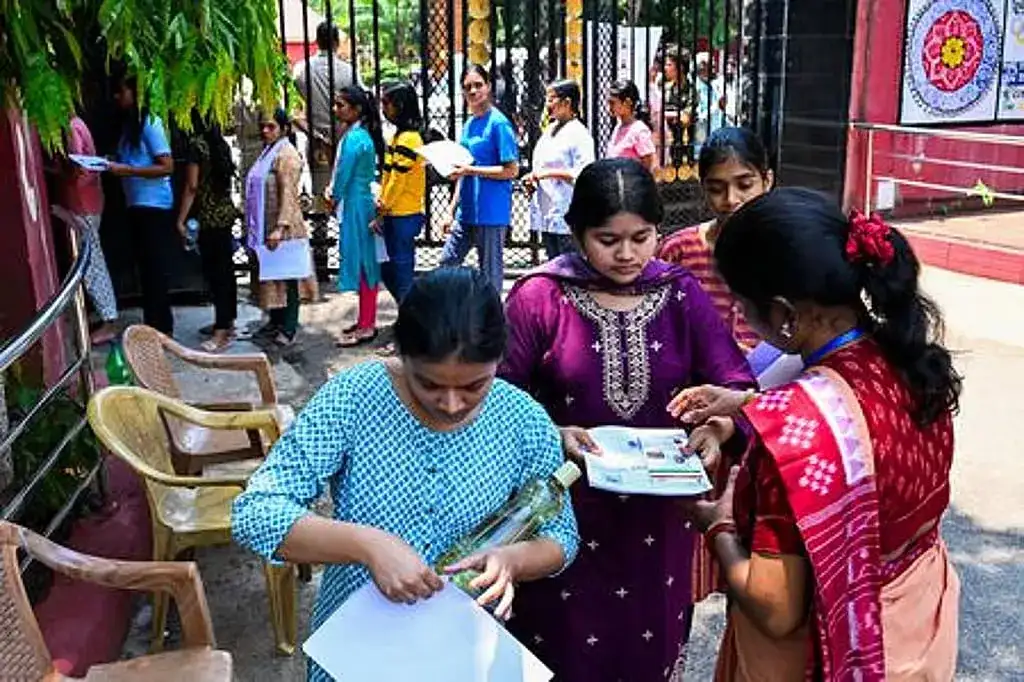
"The Chief Secretary directed district administrations to work in close coordination with all the departments concerned, and ensure that candidates were provided a hassle-free environment on the examination day."
Beyond the immediate logistics of the NEET-UG, the review meeting also touched upon concurrent State matters, including paddy procurement operations and preparations for upcoming visits by Chief Minister A. Revanth Reddy. This juxtaposition of national-level examinations with regional administrative tasks highlights the multifaceted demands placed upon State machinery.
Read More: Google Learn About AI Tool Released April 2026 For Simple Learning
The logistical backbone for the examination includes ensuring essential facilities such as infrastructure, transportation, power supply, and drinking water at each venue. The involvement of the Air Force in the delivery of examination papers, scheduled for June 21, signifies the scale and sensitivity attached to the process.
This event underscores the persistent, high-stakes nature of medical education admissions in India, where a large number of aspirants vie for limited seats, making the integrity and smooth conduct of the entrance examination a matter of considerable public and administrative attention.