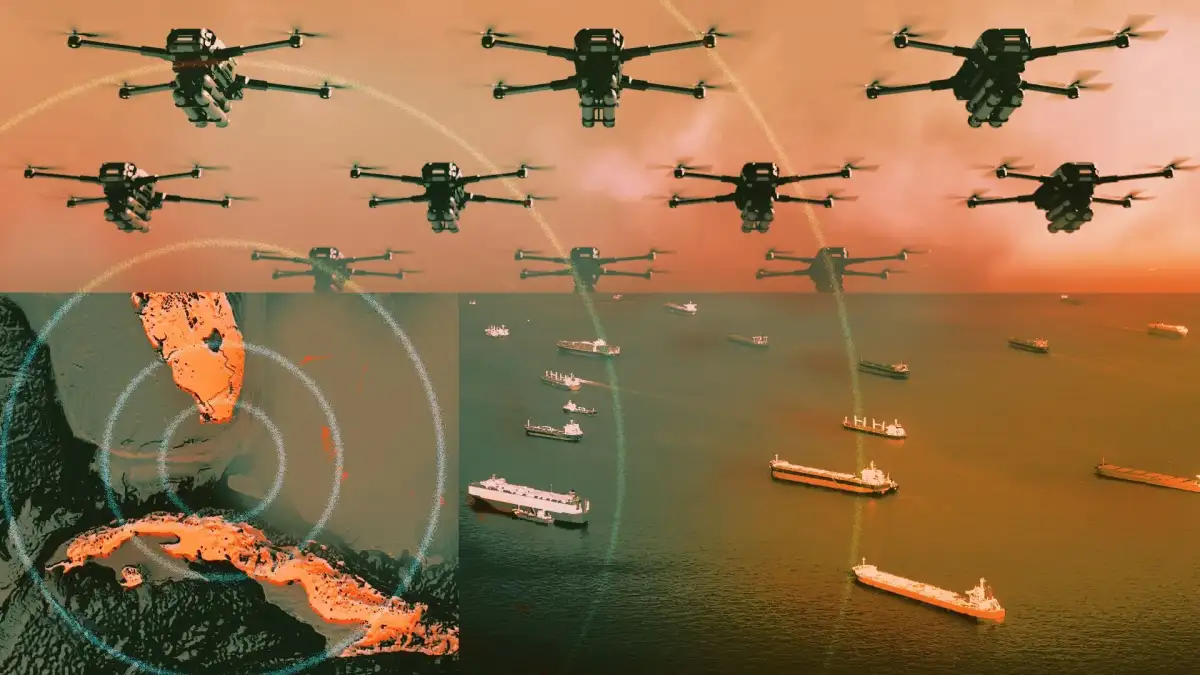
Intelligence reports suggest Cuba has amassed over 300 military drones, potentially acquired from Iran and Russia, raising concerns within the US administration about asymmetric warfare capabilities situated approximately 145 kilometers from American shores. This development is framed by US officials as indicative of a growing threat, particularly given the presence of Iranian military advisers in Havana and broader patterns of Iranian drone technology expansion across continents.
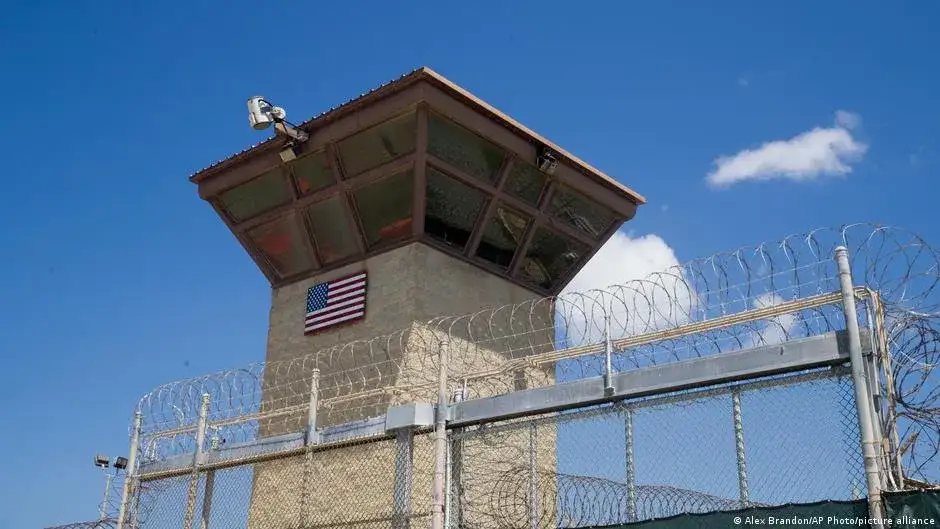
The classified intelligence, as detailed by Axios, alleges that Cuban officials have discussed plans to employ these unmanned systems against targets including the US naval base at Guantanamo Bay, American military vessels, and potentially Key West, Florida. This information has fueled strategic apprehension within the Trump administration, viewing it as a significant shift in potential threat ecosystems that bypass traditional military modernization.

The core of the reported concern lies in the potential for low-cost, autonomous systems to alter strategic calculations without substantial conventional military build-up. Cuban officials have vehemently rejected these claims, with Foreign Minister Bruno Rodriguez accusing the US of fabricating justifications for an ongoing economic war and potential military aggression. Rodriguez asserts that US actions are aimed at creating a "fraudulent case" to legitimize hostility, distorting Cuba's defensive preparations as extraordinary.
Read More: Acting DNI Pulte Fires Dozens of Intelligence Officials Starting Thursday
Strategic Implications and US Response
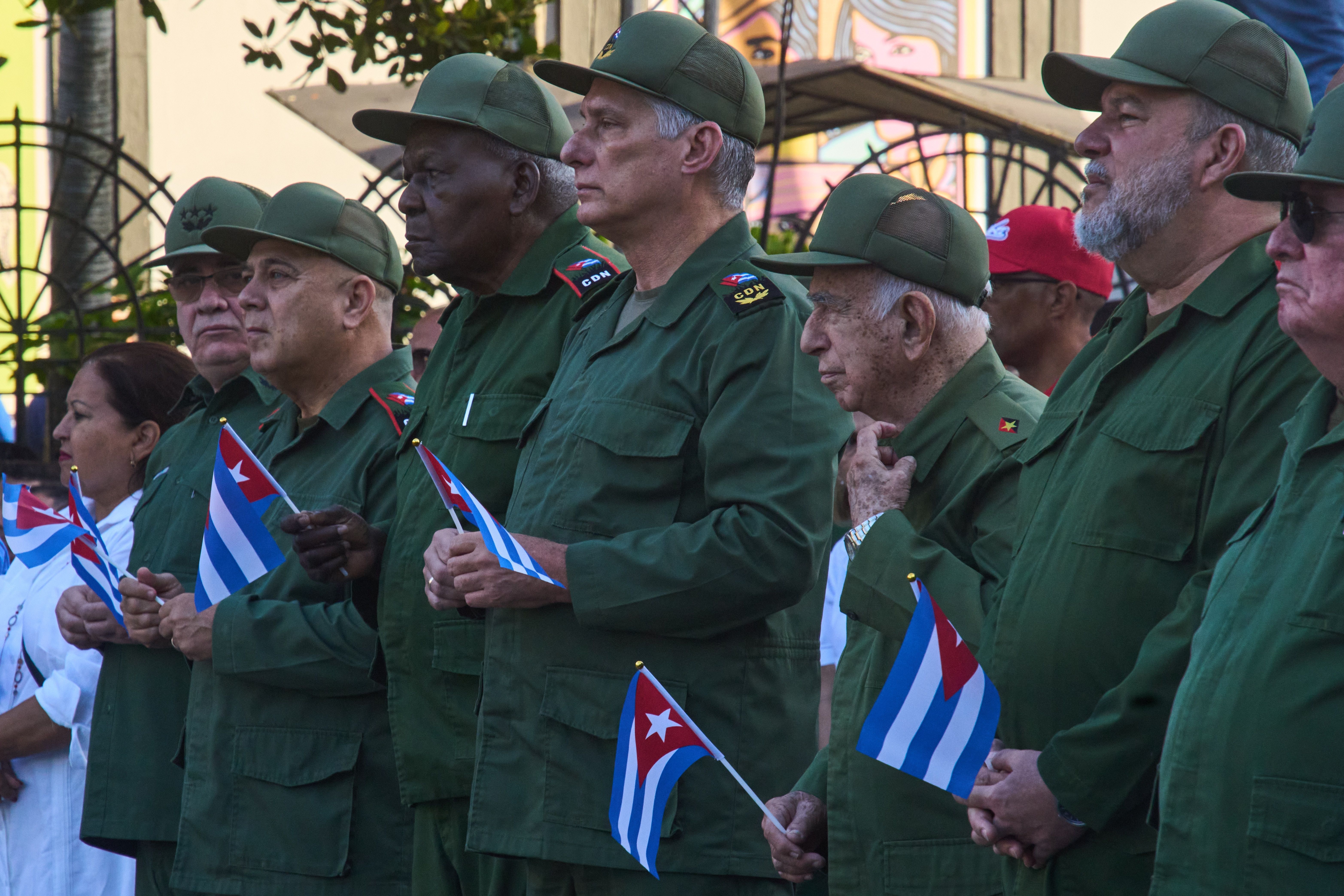
US intelligence assessments highlight the acquisition of drones as a key factor in the administration's view of Cuba as a burgeoning threat. This concern is compounded by the reported presence of Iranian military advisers in Havana, a detail cited by a senior US official to Axios. The situation is unfolding against a backdrop of simmering tensions between Washington and Havana, with reports of US authorities also seeking to indict Raul Castro.

CIA Director John Ratcliffe reportedly traveled to Cuba within the past month, engaging with Cuban leaders to urge political reforms and the dismantling of their government in exchange for easing crippling US sanctions. This diplomatic push occurred as Cuban officials were allegedly seeking further equipment from Moscow.
While US officials have reportedly conveyed concerns to Havana, some reports, including an Axios assessment, suggest that US officials do not currently believe an imminent attack is being planned. Nevertheless, the intelligence gathered is being closely monitored, particularly as it could potentially serve as a pretext for future US military actions.
Read More: AFP Reviews War Crime Claims Against Australian in Gaza
Historical Context and Regional Presence
Cuba and the United States have been locked in a political standoff since the 1960s. The southern state of Florida, a significant geographical neighbor, hosts a large and politically influential Cuban exile community.
The alleged Cuban drone acquisitions also intersect with a broader geopolitical phenomenon concerning Iran's expanding drone export and technology-transfer network, which appears to be gaining traction in Latin America, presenting a new "drone competition theater" within proximity to American interests. This pattern suggests a strategic effort to project influence and deploy asymmetric warfare capabilities in regions previously considered stable.