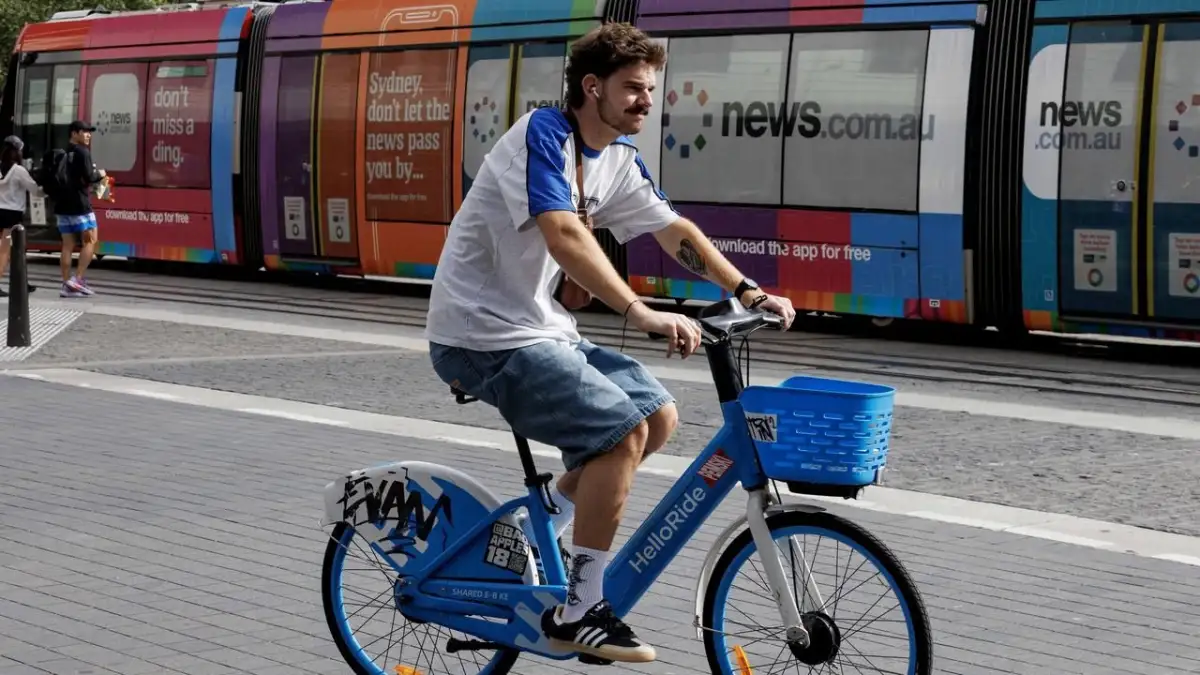
Sydney is pushing, yet again, to make shared electric bicycles a viable transport mode. The city, often touted as a pioneer in adopting cycling infrastructure, faces the specter of past failures. This push comes after previous attempts with non-electric shared bikes stumbled nearly a decade ago. The current strategy appears to involve making e-bike operators financially responsible for the upkeep and proper placement of their fleets.
The city is aiming to force operators to fund designated parking areas and cover costs for council rangers tasked with tidying up bikes that end up cluttering footpaths and public spaces. This move mirrors approaches seen in globally recognized cycling hubs like Paris and Amsterdam, which transformed their urban landscapes through significant investment in cycling infrastructure and integrated urban planning.

A Familiar Road
The recent surge in shared e-bikes in Sydney brings with it echoes of earlier disruptions. Nine years ago, dockless push-bike sharing schemes met a rocky start across Australia. Now, with electric models, companies like Lime are attempting to cement their presence. Will Peters, Lime's Asia-Pacific head, suggests the company has learned from past missteps, attributing their lingering success to these lessons. Lime has expanded its operations, already present in cities like Melbourne, Brisbane, and the Gold Coast, and recently entering Canberra in April.
Read More: Elizabeth Line Helps Londoners During Tube Strike on July 6
Peters claims a reduction in vandalism, with the latest models reportedly weighing in at a robust 43kg, making them more difficult to damage or discard. However, Sydney's lord mayor, Clover Moore, pointed out that councils were often left to negotiate with operators largely without state government support, contributing to the initial "shared bike explosion."
Regulatory Scrutiny
This renewed focus on shared e-bikes arrives amidst evolving regulations. New laws are being introduced in NSW to address the persistent issue of e-bikes and e-scooters obstructing busy footpaths. Transport Minister John Graham has publicly stated that bikes strewn across pathways and roads have been an eyesore and a hazard for pedestrians for too long. Previously, operators could deploy these devices across NSW without explicit approval from either local councils or the state government, a situation these new laws aim to rectify.
Read More: Three hearses burned in Roselands arson attack on 4 April 2026
The NSW government's 'Micromobility Action Plan' acknowledges the growing role of shared devices in the transport network, connecting users to public transport and facilitating shorter journeys. While recognized as a valued transport option, the plan also highlights concerns regarding poorly parked devices impacting pedestrian safety and public space aesthetics. A pilot program for shared e-bike parking has apparently yielded positive results, forming a basis for broader changes.
Shifting Landscape
Recent legislative changes in NSW have introduced crackdowns on e-bike power levels and implemented age limits for riders. These measures, enacted in March 2026, aim to bring greater control to the e-micromobility sector.
Read More: London Underground Strike Causes Delays for Commuters
Background:
The introduction of shared bicycle schemes, particularly dockless models, has been a global phenomenon. While lauded for promoting sustainable transport and reducing urban congestion, these schemes have frequently encountered challenges related to sidewalk clutter, rider safety, and equitable distribution. Sydney's experience, mirroring issues faced in many other cities, reflects a continuous negotiation between technological innovation, urban planning, and public space management. The evolution from simple push-bikes to electric-assisted versions introduces new dynamics concerning speed, weight, and the overall impact on urban infrastructure.
/cloudfront-ap-southeast-2.images.arcpublishing.com/nzme/RVI7RFHOI34HTKKRUG3LS6DNVY.jpg)