Fed Official Pushes Back Against Easing Expectations
Boston Federal Reserve President Susan Collins has articulated a stance of deliberate caution regarding monetary policy adjustments, signaling that rate cuts are not an immediate prospect. Her remarks, delivered in a recent speech, emphasize an "uncertain inflation picture" with persistent upside risks, coupled with a labor market that shows relative stability. This outlook, according to Collins, "argues for maintaining policy rates at their current, mildly restrictive levels for some time." The current federal funds target rate sits between 3.5% and 3.75%.
Collins will look for "clear evidence" that elevated inflation is trending back toward the 2% target before considering any easing. She anticipates this might only materialize in the latter half of the year. This measured approach suggests a departure from market projections that have anticipated rate reductions sooner rather than later in the current year.
Read More: Middle East War Causes Fuel Panic Buying in Western Australia
Job Market Nuances and Data Gaps
While acknowledging a softening in the labor market, Collins characterized job gains as likely to "remain modest." She also pointed to the potential influence of 'artificial intelligence' on hiring rates, a factor that could impact the trajectory of employment. This cautious optimism about the job market, combined with the persistent inflation concerns, further underpins her argument for policy stasis.
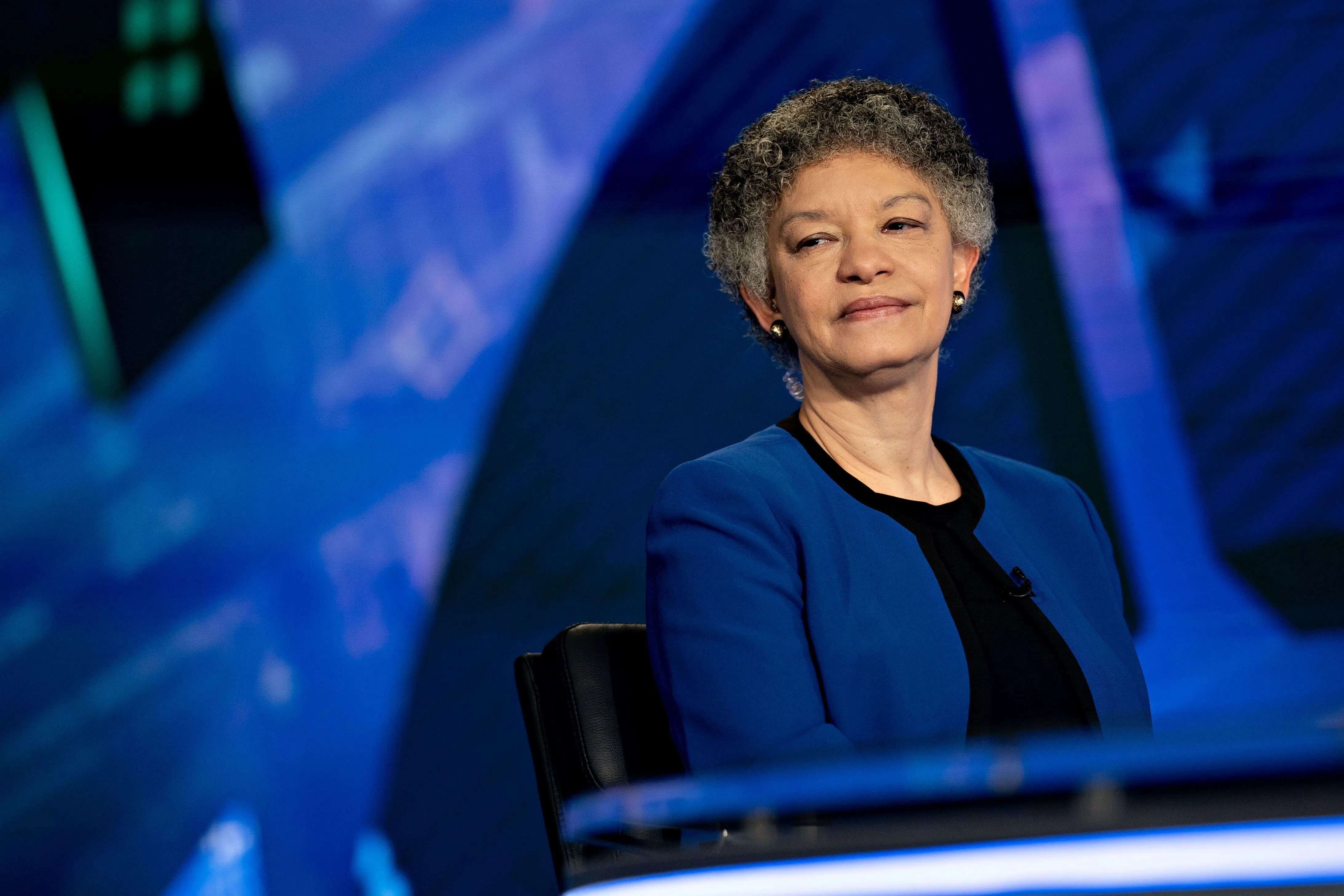
"Based on my outlook I see a patient, deliberate approach as appropriate and I do not see an urgency for additional policy adjustments."
Concerns over data availability, potentially exacerbated by past government shutdowns, have also contributed to the Fed's current analytical environment. This lack of comprehensive data has been cited as a factor in decision-making processes, leading to a need for more conclusive evidence before shifting policy.
Background: A Lingering Divide on Policy Direction
Collins's recent statements echo earlier indications of her reservations about premature rate cuts. In late 2025, she had expressed a leaning against cutting rates in December, citing ongoing risks to both inflation and employment mandates. At that time, she had supported a prior October cut but cautioned that further easing could potentially undermine the Fed's credibility in its inflation fight.
Read More: New Coursera Money and Banking Course Offers Emerging Market Examples
This cautious disposition has placed her within a segment of the Federal Open Market Committee (FOMC) that has shown a division on the future path of monetary policy. The committee, as a whole, has appeared divided, with some officials preparing observers for a range of formal disagreements at recent meetings. Market participants, however, have continued to project a series of rate cuts later in the year, a sentiment that Collins's current pronouncements may serve to temper.
'rate cuts' | 'inflation' | 'labor market' | 'Federal Reserve'