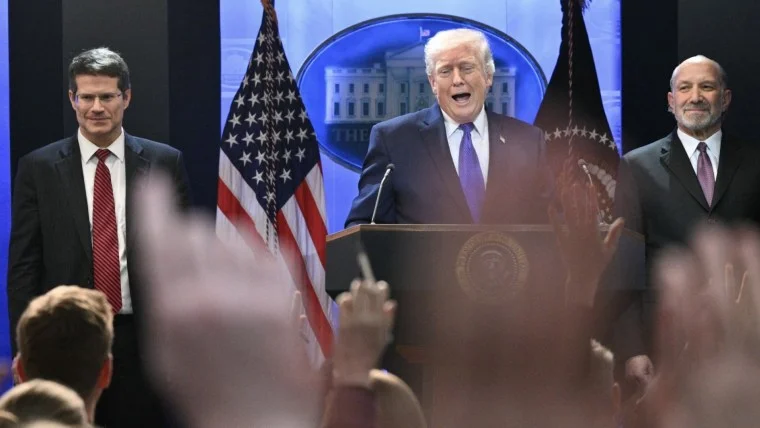
A recent Supreme Court decision has halted Donald Trump's use of tariffs, a key tool of his trade policy. This ruling creates uncertainty for his planned trade agenda and could impact upcoming elections. The decision, which many saw as a blow to Trump's "America First" approach, leaves unanswered questions about how future trade disputes will be handled and how political figures will respond to the economic effects of such policies.
Trade Policy at a Crossroads
During his presidency, Donald Trump frequently employed tariffs, viewing them as a powerful instrument to renegotiate trade deals and protect American industries. This approach, however, often met with internal dissent and external criticism.
Domestic Unease: Many Republican lawmakers found themselves in a difficult position, having to defend tariffs that effectively acted as taxes on American consumers and businesses.
Public Opinion: Polls from January indicated that a significant portion of the public believed Trump had been too aggressive with his tariff policies.
Judicial Scrutiny: Trump himself expressed frustration with having to justify his tariff actions to the Supreme Court, suggesting a conflict between his executive authority and the judicial branch's oversight.
Economic Concerns Ripple Through Industries
The imposition of tariffs has a tangible effect on various sectors of the economy, particularly agriculture.
Increased Costs: Tariffs raise the price of imported goods. This is a concern for industries that rely on foreign components or materials.
Retaliation: When one country imposes tariffs, other nations often respond with their own tariffs. This can lead to a decrease in demand for a country's exports.
Customer Impact: Some businesses have voiced strong objections, fearing that tariffs will alienate their customers by increasing prices.
Political Ramifications
The Supreme Court's decision and the ongoing debate over trade policy are likely to play a role in future political contests.
Read More: Supreme Court Strikes Down Trump Tariffs, Forcing Republican Leaders to Choose Sides
Legislative Challenges: There have been indications that lawmakers might seek votes to end existing tariffs, suggesting a potential legislative pushback against trade restrictions.
Electoral Impact: Concerns about tariffs among key industries, such as farming, could influence voter sentiment in upcoming elections, including the 2026 midterms.
Expert Analysis
"Trump used tariffs to reshape the Republican trade agenda. His aggressive use of tariffs had left many Republican lawmakers uneasy, publicly and privately, forcing them to defend what were essentially tax increases on the American public and businesses." – Analysis based on AP News report.
"When other countries impose retaliatory tariffs, they don't buy as many U.S. products." – Insight from USA Today report on the economic consequences of tariffs.
Conclusion
The Supreme Court's ruling against Donald Trump's tariffs marks a significant moment, challenging a core tenet of his trade strategy. This decision creates a complex landscape for future trade policy, potentially leading to shifts in economic strategy and political maneuvering. The economic concerns voiced by industries and the public's perception of these policies suggest that trade will remain a contentious issue in the political arena, with potential ramifications for electoral outcomes.
Sources
AP News: What happens next after the Supreme Court slapped down Trump's tariffs. Published 1 day ago. https://apnews.com/article/trump-tariffs-supreme-court-whats-next-b8b6d5d44ebb3640a88f7202754cb361
USA Today: 'Punch our customers in the face.' Farm concerns about Trump tariffs could fuel 2026 races. Published Oct 3, 2025. https://www.usatoday.com/story/news/politics/2025/10/02/trump-tariffs-trade-troubles-2026-midterms-politics/86244797007/