


London, UK – The United Kingdom and the United States have reached an agreement that will reduce or remove tariffs on specific goods, including cars, agricultural products, and aerospace components. This deal follows a period of ongoing talks and reflects a partial resolution to broader trade tensions stemming from US-imposed tariffs. While the agreement is seen by some as a positive step, questions remain regarding its full impact and the potential for future negotiations.

Background of Trade Discussions and Tariffs
The current agreement is a result of continuing dialogue between the UK and the US concerning tariffs introduced earlier this year. These tariffs, particularly a 15% global tariff announced by Donald Trump, created uncertainty for British businesses and prompted swift reactions from industry groups.

The British Chambers of Commerce (BCC), representing 50,000 UK firms, initially expressed concern and urged the government to maintain dialogue to protect Britain's competitive edge.
Officials, however, believed that most UK trade with the US would not be significantly impacted by the initial broad tariff announcements.
The US Supreme Court's ruling against some of Donald Trump's tariffs has also been a significant development, prompting analysis from both the UK and the EU regarding its implications.
Investors noted the Supreme Court's decision, with a fall in US government bond prices suggesting anticipation of reduced tariff income.
Key Provisions of the Partial Agreement
The recent deal modifies previously established levies on certain goods:
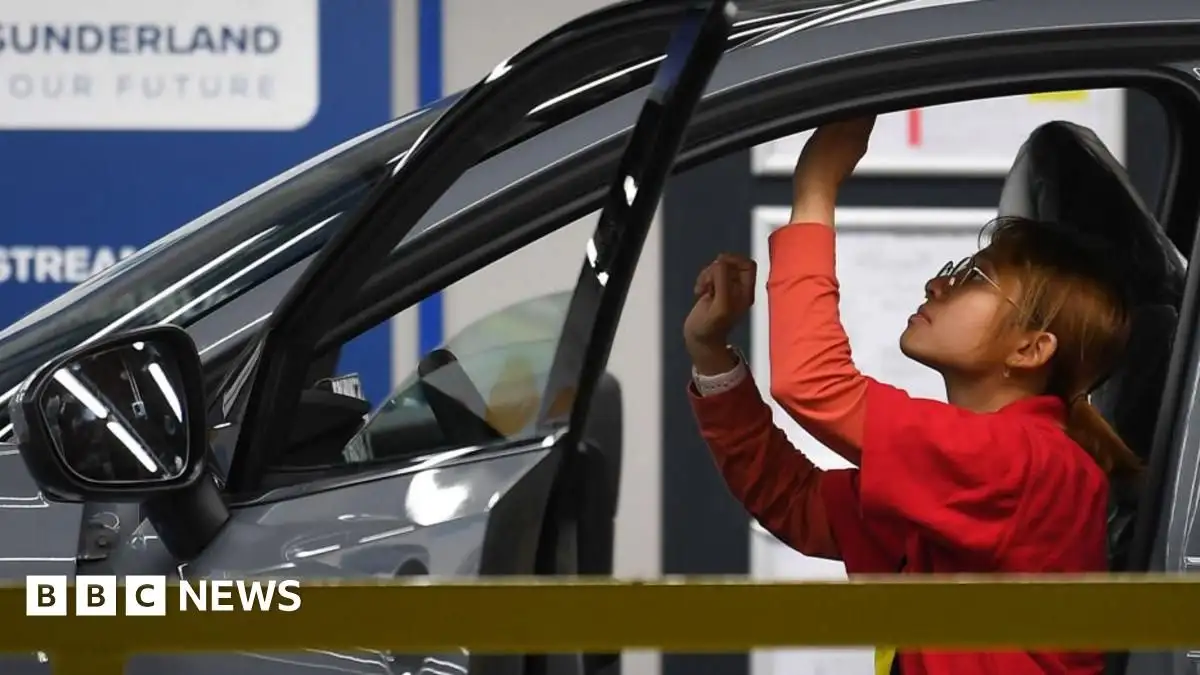
Cars: Tariffs on cars exported from the UK to the US will be reduced from 27.5% to 10%. This reduction is applicable to a quota of 100,000 UK cars, which represents nearly the total number of cars the UK exported to the US last year.
Agriculture: The agreement introduces "reciprocal market access" for beef. The UK will offer a quota of 13,000 metric tonnes for US beef exports, and the US will provide a similar quota for UK beef. The UK government has stated there will be no weakening of UK food standards related to imports as part of this deal, specifically addressing concerns about hormone-treated meat.
Aerospace: Tariffs on certain types of UK aerospace products entering the US have been removed. Conversely, the US will gain preferential access to high-quality UK aerospace components.
Pharmaceuticals: A secure supply chain for pharmaceutical products will be established, with final details to be formalized in the coming weeks.
| Goods | Previous US Tariff | New US Tariff | Quota/Access Details | Notes ||—-|—-|—-|—-|—-|| UK Cars | 27.5% | 10% | 100,000 units | Represents nearly total UK exports last year. || UK Beef | Not specified | Not specified | 13,000 metric tonnes quota for US exports to UK | Reciprocal access for US beef. || UK Aerospace | Not specified | Removed | Not specified | US gains preferential access to UK components. || Pharmaceuticals | Not specified | Not specified | Secure supply chain to be detailed | |
Read More: FIFA World Cup 2026 Revenue Reaches $15 Billion With New Ticket Prices

Industry and Government Reactions
The announcement has elicited varied responses from businesses and government officials.
Government Perspective: Treasury Minister Darren Jones described the situation as a "huge relief," indicating the government's focus on securing the "best deal possible" for British businesses.
Business Sentiment: While acknowledging the significance of the agreement, some businesses are seeking further clarity. Liam Bates of stainless steel manufacturer Marcegaglia stated the announcement was "very significant" but emphasized the need for more detailed information.
Agricultural Concerns: Farmers have expressed mixed reactions. Some beef farmers have raised concerns about the potential for imports of lower-quality US beef entering the market.
Broader Trade Landscape: The agreement occurs amidst broader tariff disputes, including China raising additional tariffs on US goods. Discussions are ongoing among global counterparts regarding responses to Donald Trump's tariff policies.
Unresolved Issues and Future Outlook
Despite the partial agreement, several aspects remain subject to ongoing negotiation and clarification.
The deal is understood to be more limited than the comprehensive trade agreement that has been a long-term objective for the UK government.
Negotiations and legal documentation are expected to continue for several months, meaning the agreement is not yet finalized.
Some experts have warned that the US administration might adopt alternative tariff strategies, potentially focusing on broader product categories like computer chips and agriculture with more stringent measures.
It is understood that tariffs on certain products, such as steel, will likely remain in place and are not affected by this specific agreement.
Conclusion
The recent UK-US tariff agreement marks a partial de-escalation of trade tensions, offering specific concessions on cars, agriculture, and aerospace. While welcomed by government officials as a step towards securing favourable terms for British businesses, the deal's long-term implications and the potential for further negotiations remain under scrutiny. The resolution of outstanding details and the broader geopolitical trade landscape will be critical factors in shaping future UK-US economic relations.
Read More: Australia-US Trade Dispute: New Tariffs Cause Friction
Sources Used:
The Standard: https://www.standard.co.uk/business/business-news/bridget-phillipson-government-keir-starmer-robert-jenrick-supreme-court-b1271984.html
Context: Reports on the UK government's efforts to secure favourable terms for British businesses amidst US tariff announcements and ongoing high-level talks.
The Guardian: https://www.theguardian.com/politics/2026/feb/20/uk-eu-reaction-us-supreme-court-ruling-trump-tariffs
Context: Details the reactions of the UK and EU to a US Supreme Court ruling concerning tariffs, and discusses the analysis of the ruling's impact.
BBC News (Live): https://www.bbc.co.uk/news/live/cn91dxzv4pnt
Context: Provides live updates and analysis on a UK-US tariff agreement, detailing specific concessions on cars, agriculture, and aerospace, and initial reactions.
Context: Summarizes the key components of the UK-US tariff deal, including reductions on specific goods and assurances regarding food standards.
Context: Reports on Donald Trump signing an executive order to implement parts of the UK-US tariff deal, focusing on reductions for UK cars and aerospace products.


