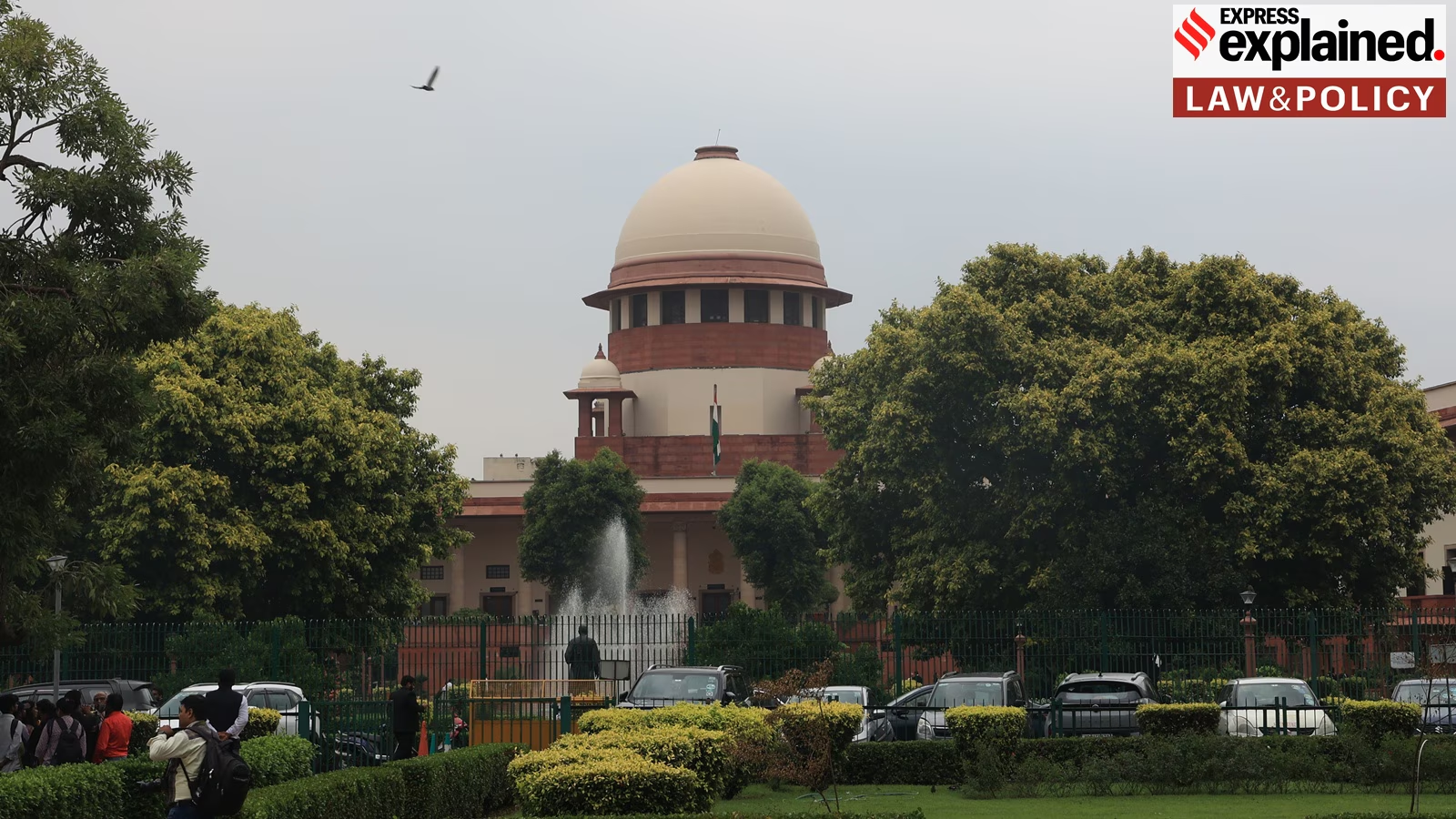
Concerns Over Ecological Definition Prompted Supreme Court Reconsideration
The Supreme Court was recently informed that a panel, overseen by the Ministry of Environment, Forest and Climate Change (MoEF), may have suppressed the findings of the Forest Survey of India (FSI) concerning the definition of the Aravalli range. This alleged suppression is central to an ongoing dispute over how to best protect the ecologically vital mountain system.
An amicus curiae, K Parameshwar, informed the court that the ministry-led panel's report, which proposed a new definition for the Aravalli hills, failed to incorporate the FSI's views. The FSI reportedly warned that the proposed definition, which classifies hills based on a 100-metre elevation criterion, would exclude a substantial portion of the Aravalli range from protection.

The Supreme Court, on November 20, had initially accepted the ministry's proposal. This definition stipulated that any landform at an elevation of 100 metres or more above the local relief, and clusters of such hills within 500 metres, would be considered part of the Aravalli hills.
Read More: World Water Day 2024: River Restoration and Women's Water Crisis Focus
However, the court later took suo motu cognisance of the matter on December 29, placing its earlier order on hold. This reconsideration followed a significant outcry from environmentalists and the explicit distancing of the court's own Central Empowered Committee (CEC) from the ministry's recommendation. The court cited the need for a "fair, impartial, independent expert opinion" to ensure justice and serve the broader public interest.
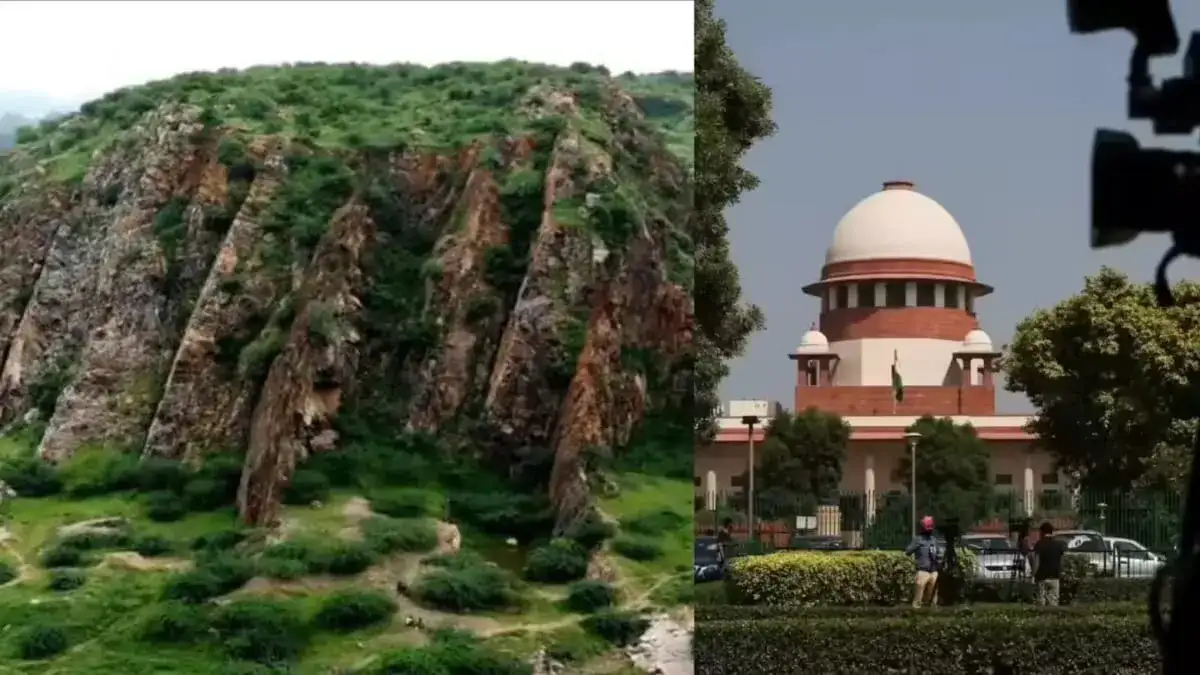
Exclusionary Definition Raises Fears of Fragmentation and Mining Expansion
The core of the objection lies in the perceived exclusionary nature of the 100-metre definition. Critics argue that by focusing solely on higher elevations, the definition fragments the geographical integrity of the Aravalli range. This fragmentation, they contend, could inadvertently open up more areas to mining and development.
"Having a definition tailored only to mining purposes, ignores that the Aravalli range, although spanning across four different states, constitutes one contiguous ecosystem and ought to be treated as such." - Amicus Curiae K Parameshwar
The amicus curiae highlighted that this approach would leave lower hills, valleys, and flat areas unprotected. These components are crucial for combating desertification, acting as natural wind barriers against the eastward expansion of the Thar Desert, and maintaining groundwater levels. The FSI's data suggested that the 100-metre rule could exclude up to 91.3 per cent of Aravalli hills that are 20 metres or higher.
Read More: High Court Rules Designer Katie Perry Can Use Her Name on Clothes
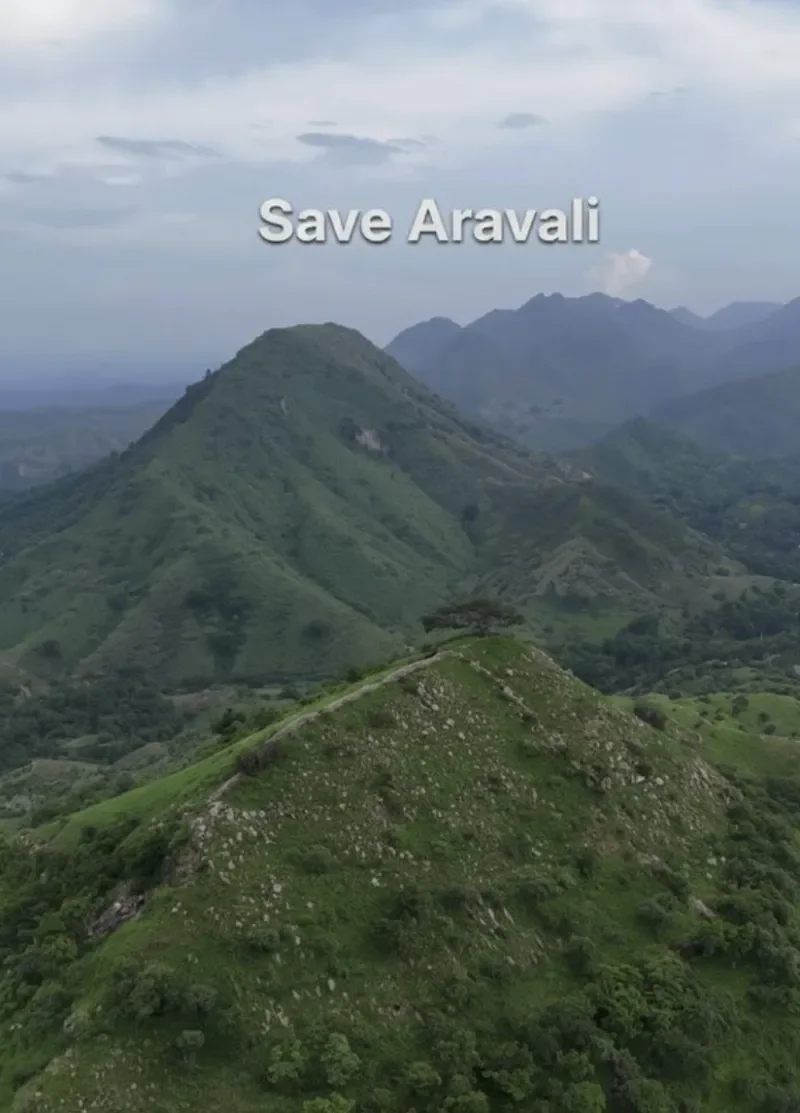
The ministry, on its part, has maintained that the 100-metre definition provides uniformity and that existing legal frameworks shield protected areas. However, data suggests that land falling under this new definition in Rajasthan, Gujarat, and Haryana largely corresponds to areas already under mining.
The exact extent of the Aravalli region that would fall under the new definition, and the consequent impact on protection, remains uncertain until on-ground demarcation is completed. This lack of clarity, coupled with the alleged suppression of expert opinion, has fuelled ongoing concerns about the future ecological health of the Aravalli range.

.jpg)