FOCUS ON RESTORATION AND GENDERED IMPLICATIONS EMERGES AMIDST GLOBAL CHALLENGES
This year's observance of 'World Water Day', falling annually on March 22, has highlighted two particularly insistent threads in the increasingly tangled discourse surrounding global water resources: the concrete, often messy, business of 'river restoration' and the unequal burden of the 'water crisis', which disproportionately falls upon women and girls. Amidst a backdrop of ongoing dialogues and established platforms dedicated to tackling these very issues, the narratives presented this year seem to push for a renewed, albeit perhaps perfunctory, attention to practical interventions and a more nuanced understanding of the human element involved.
The call for river restoration, exemplified by accounts of efforts concerning the Pasig and Chicago Rivers, points towards a reactive approach to environmental degradation. These stories, however fragmented, paint a picture of rivers once choked by industrial waste and urban sprawl, now ostensibly on a "comeback pathway." Similarly, the Bronx River is mentioned as a "freshwater river" with a history tied to indigenous peoples, now subject to cleanup initiatives. These initiatives, while presented as inspiring, remain largely unexamined in terms of their long-term efficacy, funding mechanisms, or the true scale of the transformation achieved. The narratives themselves often appear to serve as placeholders, ticking a box for 'action' rather than offering deep dives into systemic solutions.
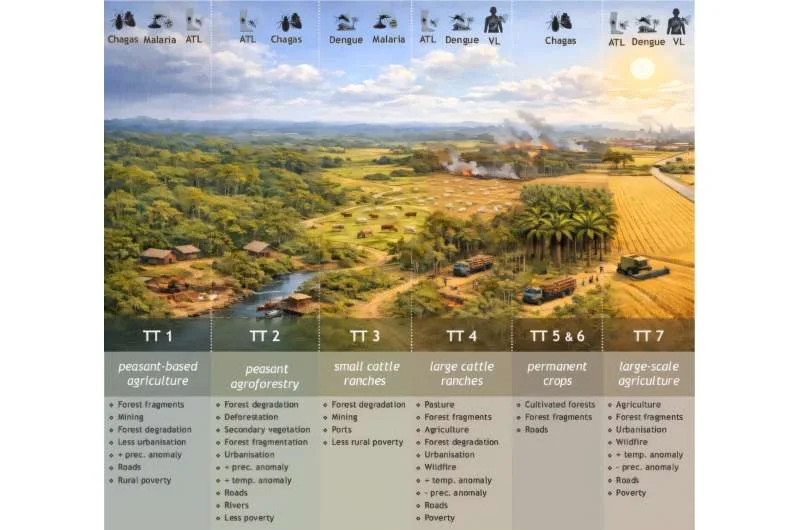
Read More: Amazon Land Use Changes Cause Disease Clusters in Brazil
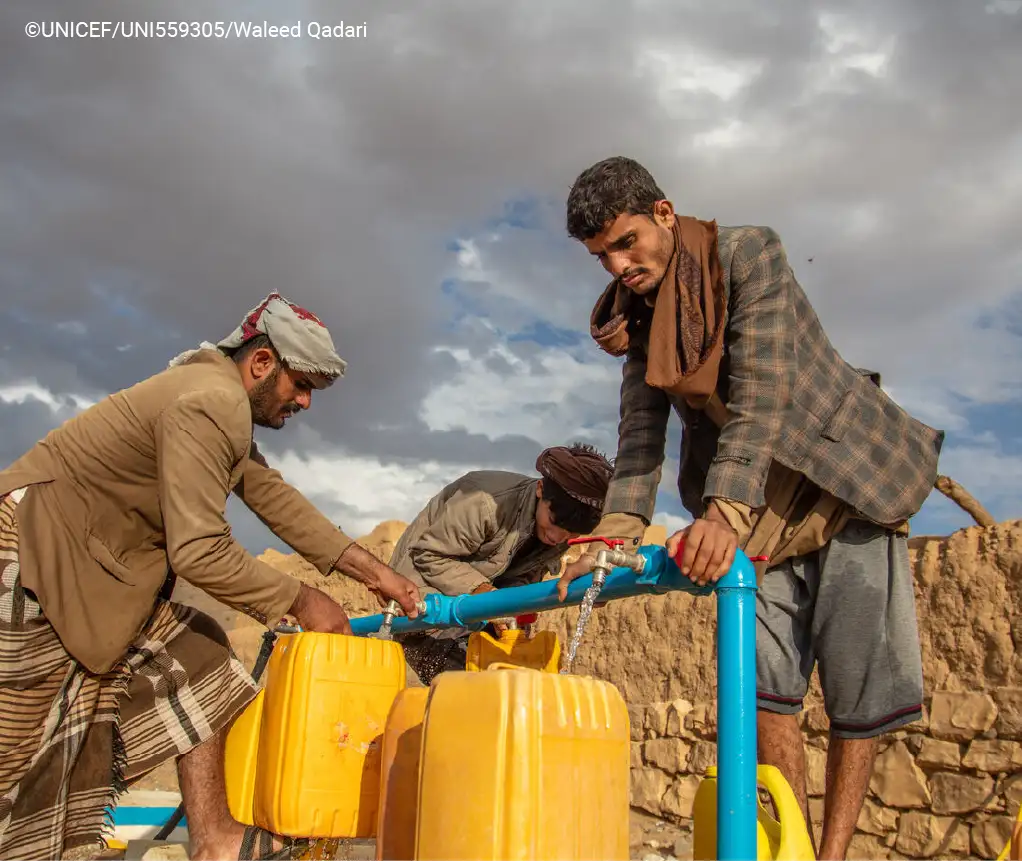
Further complicating the global water agenda is the explicit framing of the "water crisis" as a "women's crisis." The United Nations emphasizes that where water is scarce or unsafe, inequalities "flourish," with women and girls bearing the brunt. This perspective argues that ensuring access to safe drinking water and sanitation is intrinsically linked to fostering "equality," suggesting that empowering women is a critical component of any effective water solution. This framing, while drawing attention to a significant social dimension, risks overshadowing other intersecting factors of water insecurity and could be interpreted as a convenient way to delegate responsibility for water management onto specific demographic groups.
Read More: UN Panel Warns AI Risks Grow Faster Than Science and Rules
PLATFORMS AND PERSPECTIVES ON THE GLOBAL WATER STAGE
The ongoing institutionalization of World Water Day is evident through various international bodies. The 'UN-Water' initiative, for instance, provides multilingual promotional materials, suggesting a global outreach effort. Similarly, the 'World Economic Forum's Water Futures Community' functions as a "collaborative platform driving solutions and finance," aiming to advance the global water agenda through dialogue and partnerships. UNESCO, through its 'Intergovernmental Hydrological Programme (IHP)' and the 'World Water Assessment Programme (WWAP)', actively engages in connecting "cutting-edge science with practical solutions" to help countries monitor, adapt, and share water resources.
These various platforms, while presenting a united front on the importance of freshwater and advocating for its "sustainable management," often operate within their own specific mandates and promotional cycles. The information disseminated tends to reiterate familiar talking points, focusing on the annual observance and the need for awareness. Reports from India Today, Kashmir Media Service, Dawn, and The Hindu, for example, touch upon specific geopolitical and corporate water stewardship angles, yet they are often presented as isolated incidents within the broader, and perhaps less defined, "World Water Day" narrative.
Read More: Kanyakumari Atomic Mining Permit Extended for 1144 Hectares in 2026
A HISTORY OF CONCERN, A FUTURE OF UNCERTAINTY
World Water Day has been observed annually on March 22 since its inception, serving as a dedicated moment to focus attention on the critical importance of freshwater and advocate for its responsible stewardship. The day aims to raise awareness of the vast array of global freshwater challenges and, importantly, to highlight potential solutions. Organizations like UNESCO have been instrumental in this effort, leading global initiatives to understand, safeguard, and manage this vital resource through scientific programs and practical guidance for nations. The World Economic Forum's involvement signals a broader engagement with financial and collaborative strategies aimed at addressing emerging water concerns and shaping international water policy.
Read More: Study: People Cooperate More Than They Think Others Do