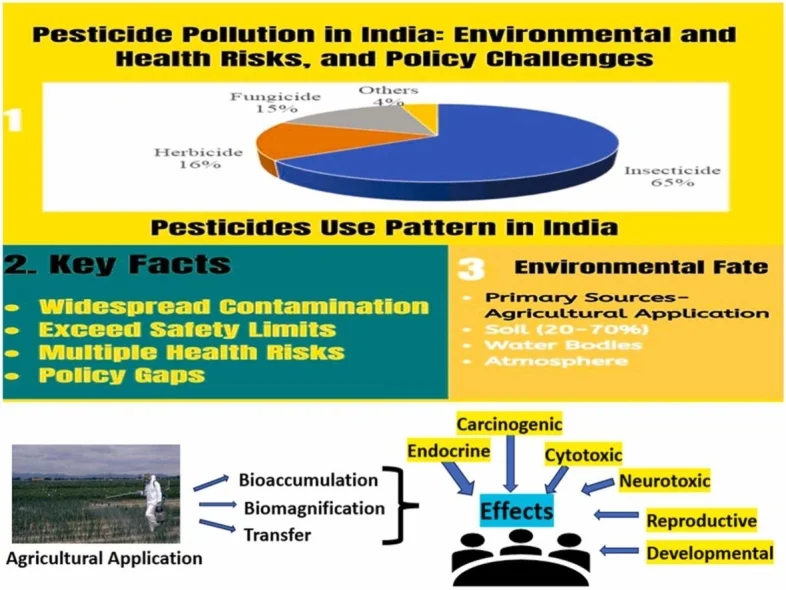
A recent study highlights that India is among four countries significantly contributing to global pesticide toxicity. This issue is pressing, as increased pesticide use affects invertebrate species, terrestrial plants, terrestrial arthropods, soil organisms, and fish. The persistence of these chemicals in food, water, and soil poses a widespread environmental and health challenge.
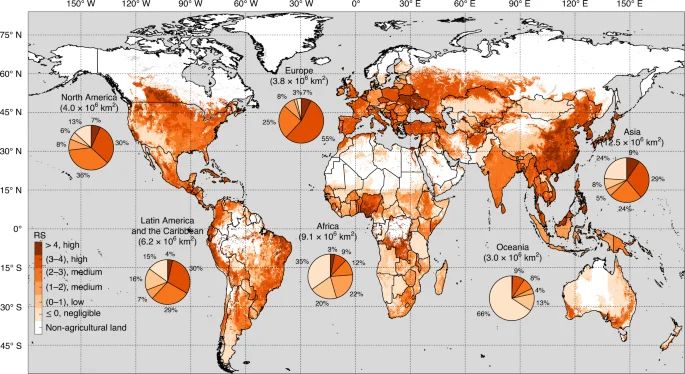
Growing Pesticide Toxicity Poses Global Threat
Pesticides are widely applied to crops such as fruits, vegetables, maize, soybean, rice, and other cereals. Research indicates that the Total Applied Toxicity (TAT) from pesticides has risen, potentially due to the use of larger quantities of pesticides and/or more toxic varieties.

Pesticide toxicity has seen an increase during the study period.
Specific impacts are noted on invertebrate species, terrestrial plants, terrestrial arthropods, soil organisms, and fish.
These chemicals are persistent across food, water, and soil systems.
India uses at least 66 pesticides that are banned in other countries.
Key Findings and Global Context
The study points to a need for substantial global action to address pesticide pollution. This includes shifting to less toxic pesticides, increasing the adoption of organic farming, and improving national pesticide use data. Without such measures, only Chile is projected to meet the United Nations' 2030 target for pesticide reduction.
Read More: Free Recycling for Old Laptops and Printers in 2024
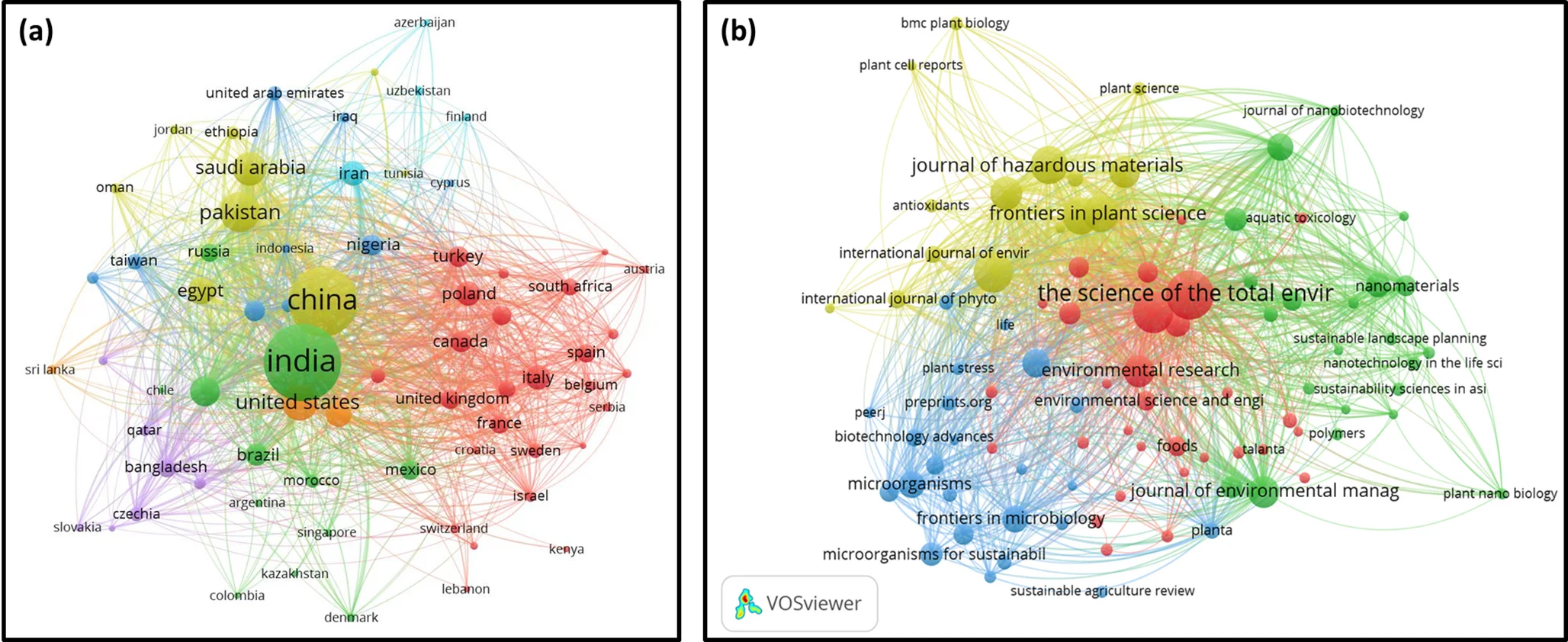
Actors: Researchers, policymakers, farmers, and international bodies.
Events: Study on global pesticide toxicity, identification of high-contributing nations, call for policy changes.
Context: Rising agricultural production, food security concerns, and the unintended environmental and health consequences of pesticide use.
Evidence of Increased Toxicity and Usage
Data suggests a correlation between pesticide use and increased toxicity in various environmental components. The research observed that:

Increased TAT is linked to the volume and toxicity of pesticides used.
Pesticides are ubiquitous in agricultural systems, applied to a wide range of crops.
Persistence in the environment means pesticides remain in soil, water, and food chains.
India's Role in Global Pesticide Pollution
India's pesticide usage patterns are a focal point of the study. Observations include:
Sixty-six pesticides utilized in India are banned elsewhere.
The sheer volume and types of pesticides used in India likely contribute significantly to its global toxicity footprint.
There is a noted exacerbation of public health risks due to pesticide residues in food and water in India.
Environmental and Health Risks
The implications of pesticide use extend beyond agriculture:
Biodiversity: Pesticide use poses serious risks to biodiversity, with particularly severe consequences in developing nations like India.
Human Health: Residues in food and water create additional public health risks.
Ecosystem Stability: Overall ecosystem stability is threatened by these chemical applications.
Proposed Solutions and Future Outlook
To mitigate these risks, several interventions have been proposed:
Shift to Less-Toxic Pesticides: A move towards safer alternatives is crucial.
Organic Agriculture: Increased adoption of organic farming practices can reduce reliance on synthetic pesticides.
Data Transparency: National pesticide use data needs to be readily available for better monitoring and regulation.
Policy Measures: Introducing tools like a Pesticide Utilization Card for farmers could help track and regulate usage, reducing misuse and contamination.
Expert Analysis
Researchers advocate for a multi-pronged approach to tackle pesticide pollution effectively. The findings underscore the urgent need for policy shifts and on-ground implementation of sustainable agricultural practices to safeguard both environmental health and human well-being.
Conclusion and Implications
The study clearly indicates that India, alongside three other nations, is a major contributor to global pesticide toxicity. This elevated toxicity, driven by both the quantity and nature of pesticides used, presents a clear and present danger to ecosystems and human health. The persistence of these chemicals in the environment compounds the problem. Without immediate and concerted global efforts, including a transition to less toxic alternatives and the expansion of organic agriculture, the UN's 2030 target for pesticide reduction appears unlikely to be met by most countries. Policy interventions aimed at better regulation and farmer education are also critical.
Read More: Barry Manilow Cancels Feb 27-Mar 17 Shows Due to Lung Cancer Recovery
Sources
The Hindu: India among four nations driving most global pesticide toxicity: study. Published 57 minutes ago. https://www.thehindu.com/sci-tech/energy-and-environment/india-among-four-nations-driving-most-global-pesticide-toxicity-study/article70659164.ece
Nature Geoscience: Risk of pesticide pollution at the global scale. Published March 29, 2021. https://www.nature.com/articles/s41561-021-00712-5
Environmental Science and Pollution Research: Balancing food security and environmental health: the dual challenge of pesticide use in India. Published February 1, 2025. https://link.springer.com/article/10.1007/s11356-025-36009-y
Vegetos: Unfolding pesticide toxicity: food safety, health risk, and sustainable agriculture. Published December 11, 2025. https://link.springer.com/article/10.1007/s42535-025-01604-4