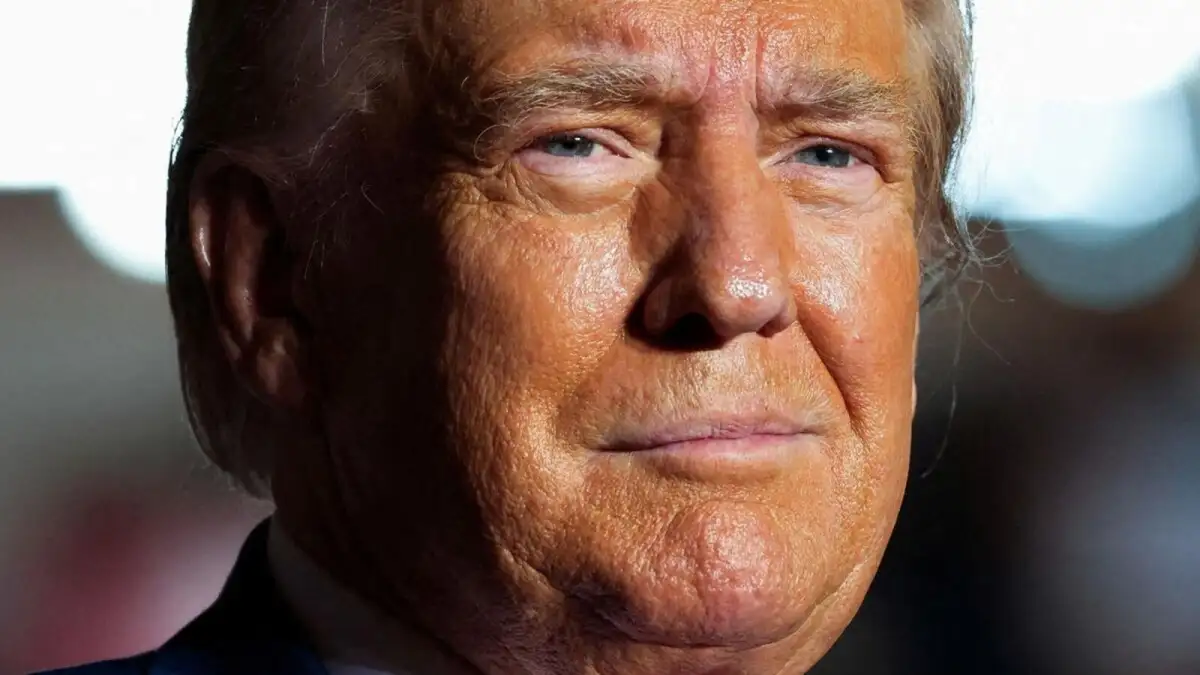
Court Overturns Key Presidential Trade Powers
The Supreme Court has made a significant decision that limits President Donald Trump's ability to impose broad tariffs. The court ruled that the President had exceeded his authority by using a law meant for national emergencies to enact many of his tariffs. This ruling is a major setback for the President's economic policies and means that billions of dollars in collected tariffs may need to be returned.
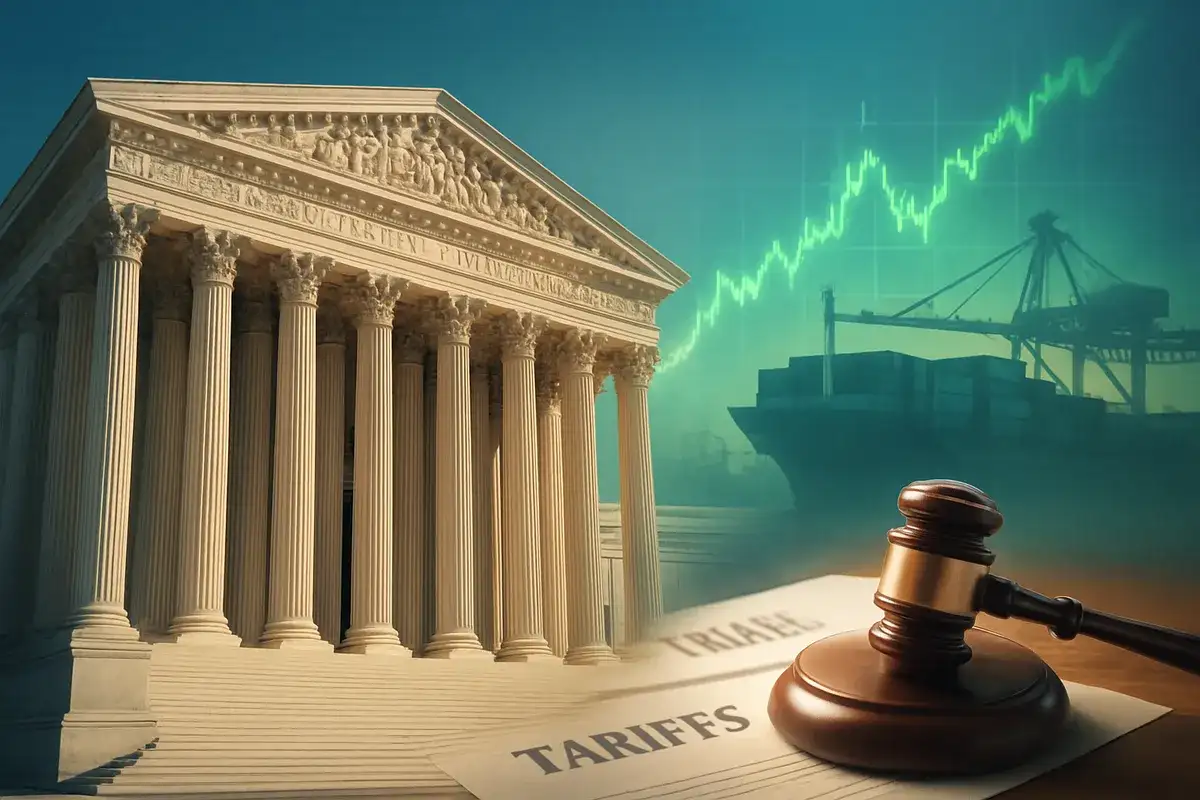
Background of the Ruling
President Trump had used the International Emergency Economic Powers Act (IEEPA) to justify many of the tariffs he put in place. These tariffs were often used as a way to push for trade deals with other countries. However, the Supreme Court has now determined that this specific law does not give the President the power to act as a tax collector on imports.
Read More: US 250th Anniversary on July 7, 2026, sees 20% not celebrating
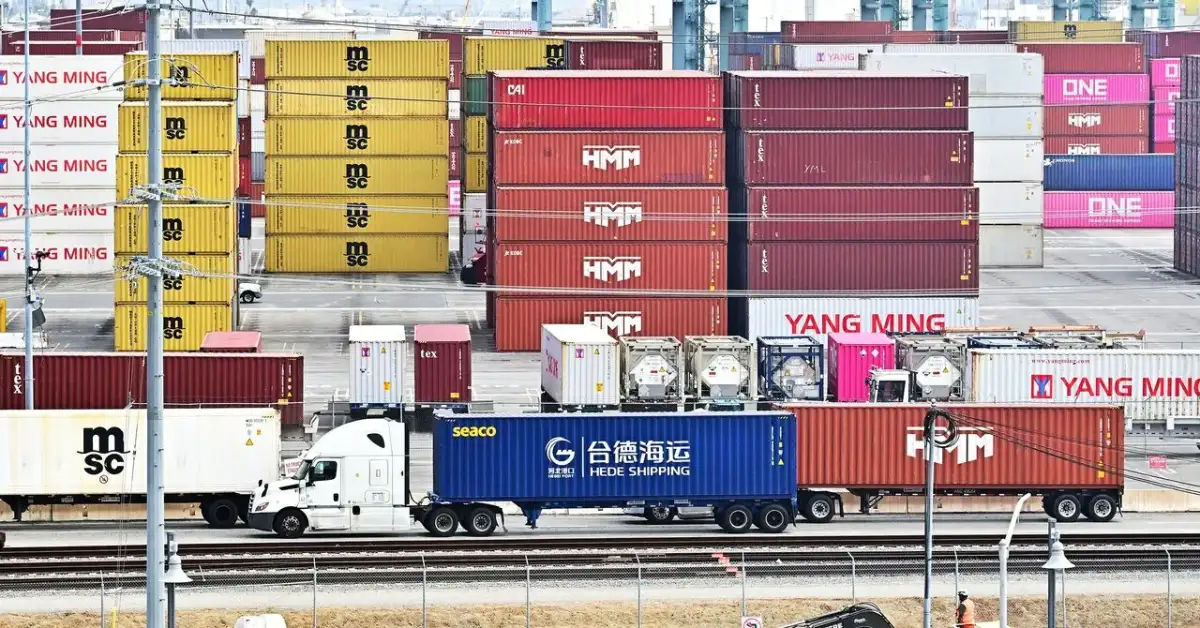
The Supreme Court's decision does not affect all of President Trump's tariffs.
Tariffs placed on steel and aluminum under different laws remain in effect.
The ruling impacts tariffs enacted using the IEEPA, which covered a wide range of goods and countries.
Impact of the Decision
The Supreme Court's ruling has had a notable effect on the financial markets.

"Major U.S. stock indexes erased early losses after the Supreme Court struck down President Donald Trump’s emergency tariffs." - USA Today
Many e-commerce stocks saw a rise in value following the news, as the tariffs had previously created uncertainty for these businesses.
Businesses that relied on the affected tariffs, including many small business owners on platforms like Etsy, may face disruptions.
Legal and Constitutional Questions
The Supreme Court's decision redraws the boundaries of presidential power in trade matters. Legal experts had questioned from the start whether the IEEPA was intended to cover tariffs.

The court's ruling in this case may make it more difficult for future presidents to use similar executive actions for trade policy.
This decision is being compared to a past case where the Supreme Court limited President Truman's power during a national emergency.
Key Points of Contention
The core of the ruling centers on the legal basis for the tariffs.
"The justices ruled that the International Emergency Economic Powers Act (IEEPA)—the law that the Trump administration used to justify many of his sweeping global tariffs—does not grant the president the power of taxation, and tariffs are a form of tax on imports." - Wired
The 6-3 decision highlights a significant division within the court on the extent of executive power.
The use of IEEPA for tariffs is now considered by the court to be beyond the President's constitutional authority for imposing taxes.
Reactions to the Ruling
President Trump has expressed strong disapproval of the Supreme Court's decision.
"President Donald Trump slammed the Supreme Court after a landmark decision striking down his power to impose sweeping tariffs." - USA Today
Other political figures, such as California Gov. Gavin Newsom and Senator Rand Paul, have also weighed in on the matter.
The ruling has been described as a "major blow" and a "constitutional rebuke" to the President's trade agenda.
Unanswered Questions and Future Implications
While the ruling clarifies the limits of IEEPA for tariffs, some questions remain about the full scope of its impact.
The process for refunding tariffs collected under the now-invalidated law has begun.
The administration still possesses other legal tools for enacting trade policy, but future attempts at similar broad executive actions may face immediate legal challenges.
Sources:
USA Today: https://www.usatoday.com/story/news/politics/2026/02/20/supreme-court-trump-tariffs-ruling/87778248007/
NBC News: https://www.nbcnews.com/politics/supreme-court/supreme-court-strikes-trumps-tariffs-major-blow-president-rcna244827
The Conversation: https://theconversation.com/supreme-court-rules-against-trumps-emergency-tariffs-but-leaves-key-questions-unanswered-276561
Markets Financial Content (San Bernardino Sun): https://markets.financialcontent.com/sbsun/article/marketminute-2026-2-20-scotus-strikes-down-trumps-reciprocal-tariffs-in-major-constitutional-rebuke-175-billion-in-refunds-loom
Wired: https://www.wired.com/story/supreme-court-trump-tariffs-ruling/
CNBC: https://www.cnbc.com/2026/02/20/supreme-court-decision-amazon-etsy-stocks-tariffs-trump.html?msockid=3947b3a0ef156b332431a4a6ee836a8e