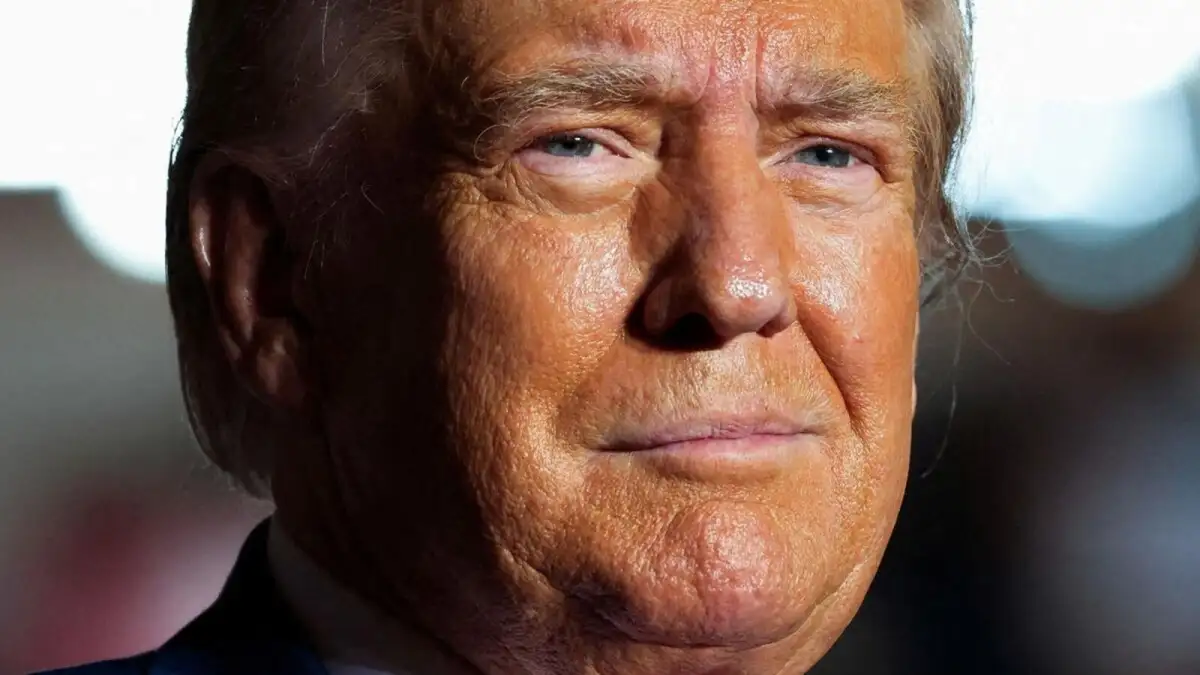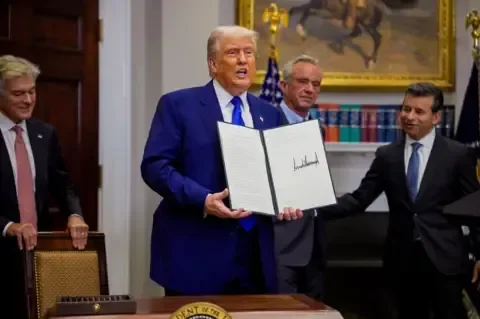
Washington D.C. – President Donald Trump has signed an executive order intended to lower prescription drug costs for Americans by compelling pharmaceutical companies to set U.S. prices in line with those in other developed nations. This initiative revives a policy attempted during his previous term, the long-term effectiveness and implementation of which remain subjects of considerable debate among experts and industry observers. The core of the order seeks to leverage the concept of "most favored nation" pricing, suggesting that the United States should not pay more for certain medications than other comparable countries.
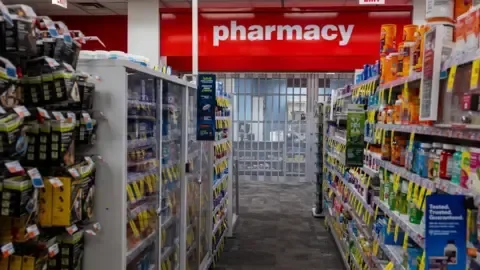
The administration’s move arrives amidst a backdrop of persistently high drug prices in the United States, which a 2024 report from the Health and Human Services department indicated were nearly three times higher than in 33 other comparison countries. While Trump has framed this as a victory for American consumers, analyses suggest a more complex outcome, with the pharmaceutical industry potentially securing its own advantages. The order primarily targets drugs covered under Medicare Part B, which pertains to outpatient services and doctor’s office visits.
Read More: NHS official Ms. Jones steps back from Palantir contract on 7 April 2026

The "Most Favored Nation" Policy: A Policy Under Scrutiny
President Trump's executive order on drug prices centers on the "most favored nation" policy. This approach aims to align U.S. prices with the lower rates observed in other developed countries. The administration has cited evidence suggesting that patients in other nations pay significantly less for the same medications.

Mechanism: The order directs the U.S. Department of Health and Human Services to implement this policy, effectively tying U.S. drug prices to international benchmarks.
Scope: Initially, the policy appears to focus on drugs covered by Medicare Part B. However, drugmakers anticipate the order may extend beyond the 10 drugs already subject to price negotiation under the Biden administration's Inflation Reduction Act.
Past Attempts: A similar executive order was signed in the final weeks of Trump's previous presidency but was ultimately blocked by a court order during the Biden administration.
Challenges and Uncertainties in Implementation
Despite the executive order’s issuance, significant questions persist regarding its practical application and ultimate impact. Health policy experts and analysts have raised concerns about how the policy will be enacted and what its consequences will be for patients and the pharmaceutical industry.

Legal Authority: The extent of the administration's legal authority to enforce the order is currently unclear, a point emphasized by the Pharmaceutical Research and Manufacturers of America (PhRMA).
Industry Response: PhRMA, a trade group representing drugmakers, has voiced opposition, characterizing the policy as detrimental to American patients. They suggest that foreign governments not paying their "fair share" and intermediaries driving up costs are the root causes of high U.S. prices.
Analyst Perspectives: JPMorgan analysts suggest that the pharmaceutical industry might wait for price increases in countries like those within the European Union before voluntarily lowering prices in the U.S.
Unclear Outcomes: It remains uncertain how much drug prices will actually decrease, how patients and drugmakers will be affected, and which specific medicines will be subject to the new pricing.
Industry's Role and Past Negotiations
The pharmaceutical industry's influence on drug pricing policy is a recurring theme. In a previous instance in October 2025, President Trump announced a deal with Pfizer where the company agreed to lower U.S. drug prices.
Pfizer Deal: This agreement, achieved through the threat of tariffs, involved Pfizer selling some drugs in the U.S. at costs equivalent to those in other countries.
Dual Benefits: While presented as a victory for consumers, the deal also offered benefits to Pfizer, illustrating the complex nature of negotiations with large pharmaceutical corporations.
Medicare Pricing: Even in past negotiations, Medicare's prices, while adjusted, reportedly remained double the rates paid in Europe.
International Context and Disparities
A significant driver behind the executive order is the stark difference in drug prices between the United States and other developed nations. Many of these countries utilize single-payer health systems, which afford them greater leverage in negotiating prices with manufacturers.
Read More: US 250th Anniversary on July 7, 2026, sees 20% not celebrating
Price Gap: Data indicates that U.S. drug prices are substantially higher than those in comparable nations.
Negotiating Power: Countries with centralized health systems often negotiate prices collectively, thereby wielding more influence over pharmaceutical companies. Trump's policy appears to aim at replicating this leverage.
Expert and Industry Commentary
Reactions to the executive order have been mixed, with differing views on its potential efficacy and fairness.
"To lower costs for Americans, we need to address the real reasons U.S. prices are higher: foreign countries not paying their fair share and middlemen driving up prices for U.S. patients." – Steve Ubl, President and CEO of PhRMA
"Government price setting in any form is bad for American patients." – Comment from drugmakers' perspective
Some analysts believe alternative methods, such as Medicare drug price negotiations, could be used to achieve similar goals. However, the exact mechanisms and potential success of the current order remain subject to observation.
Conclusion and Outlook
President Trump's executive order represents a significant federal effort to curb high prescription drug prices in the United States by aligning them with international rates. The "most favored nation" policy, while conceptually straightforward, faces considerable hurdles related to legal authority, industry opposition, and the complexities of global pharmaceutical markets.
Immediate Impact: The short-term effects and enforceability of the order are unclear.
Future Developments: The pharmaceutical industry's response and the administration's ability to navigate legal and political challenges will be crucial in determining the order's ultimate success.
Ongoing Debate: The initiative underscores the persistent tension between the desire for affordable medication and the economic interests of pharmaceutical companies.
Sources Used:
BBC News: Trump's order on US drug prices: What's in it, and will it work? - Published May 12, 2025. Provides an overview of the executive order's content and potential effectiveness, highlighting the price disparity between the U.S. and other countries.
Financial Times: Trump’s drug price treatment is harsh but justified - Published May 13, 2025. This article focuses on the justification for the policy, though its summary is brief and primarily describes subscription options.
NBC Washington: Trump's plan to slash drug prices may struggle to get off the ground – here's what to know - Published May 12, 2025. Details the "most favored nation" policy and discusses expert opinions on its feasibility and potential impact, including alternatives like Medicare negotiations.
AP News: Trump promises to order that the US pay only the price other nations do for some drugs - Seen on Bing. Reports on Trump's announcement of the executive order, its focus on Medicare Part B, and references a previous blocked attempt.
The Washington Post: Trump claimed a win on drug prices, but Big Pharma also scored - Published October 2, 2025. Examines a past instance where Trump negotiated with Pfizer, illustrating how industry and administration can both benefit from such deals and the ongoing price discrepancies with Europe.
USA Today: Trump says he will sign order aimed at cutting drug prices to match other countries - Published May 11, 2025. Provides details on the executive order's planned signing and its objective to align U.S. prices with those in comparable nations, citing data on price differences.
NPR: Trump signs an order to reduce drug prices, but it's unclear how it would work - Published May 12, 2025. Covers the executive order's multifaceted approach to lowering prices and includes reactions from PhRMA, highlighting concerns about legal authority and the definition of "fair share" from the industry's viewpoint.