The Supreme Court has made a significant ruling that blocks President Donald Trump's use of the International Emergency Economic Powers Act (IEEPA) to impose global tariffs. This decision, a key development in the President's economic agenda, has drawn applause from Democrats, even as some of them have previously supported tariffs as a tool for trade. President Trump has expressed strong disapproval of the ruling.
Background of the Dispute
The core of the issue lies in President Trump's application of IEEPA, a law intended for national emergencies, to levy tariffs on imported goods. Critics argued that this was an overreach of presidential power.
IEEPA's Purpose: The International Emergency Economic Powers Act grants presidents the authority to regulate transactions with foreign entities when faced with "unusual and extraordinary threats."
Tariff Imposition: President Trump used this law to impose a range of tariffs, which became a central part of his economic policy.
Legal Challenge: Challengers argued that IEEPA does not explicitly grant the president the power to impose tariffs, and that no president before Trump had used it for such purposes.
The Supreme Court's Ruling
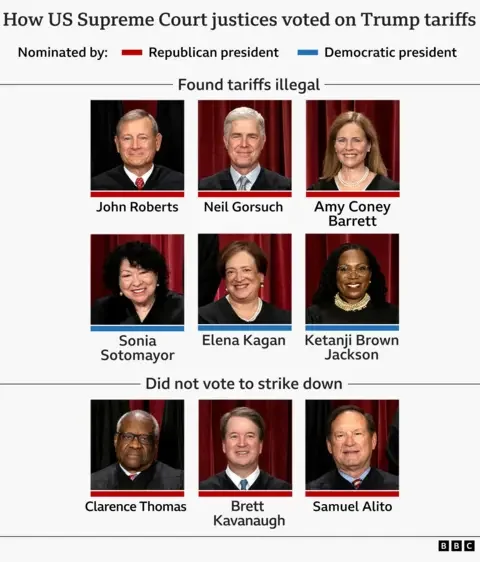
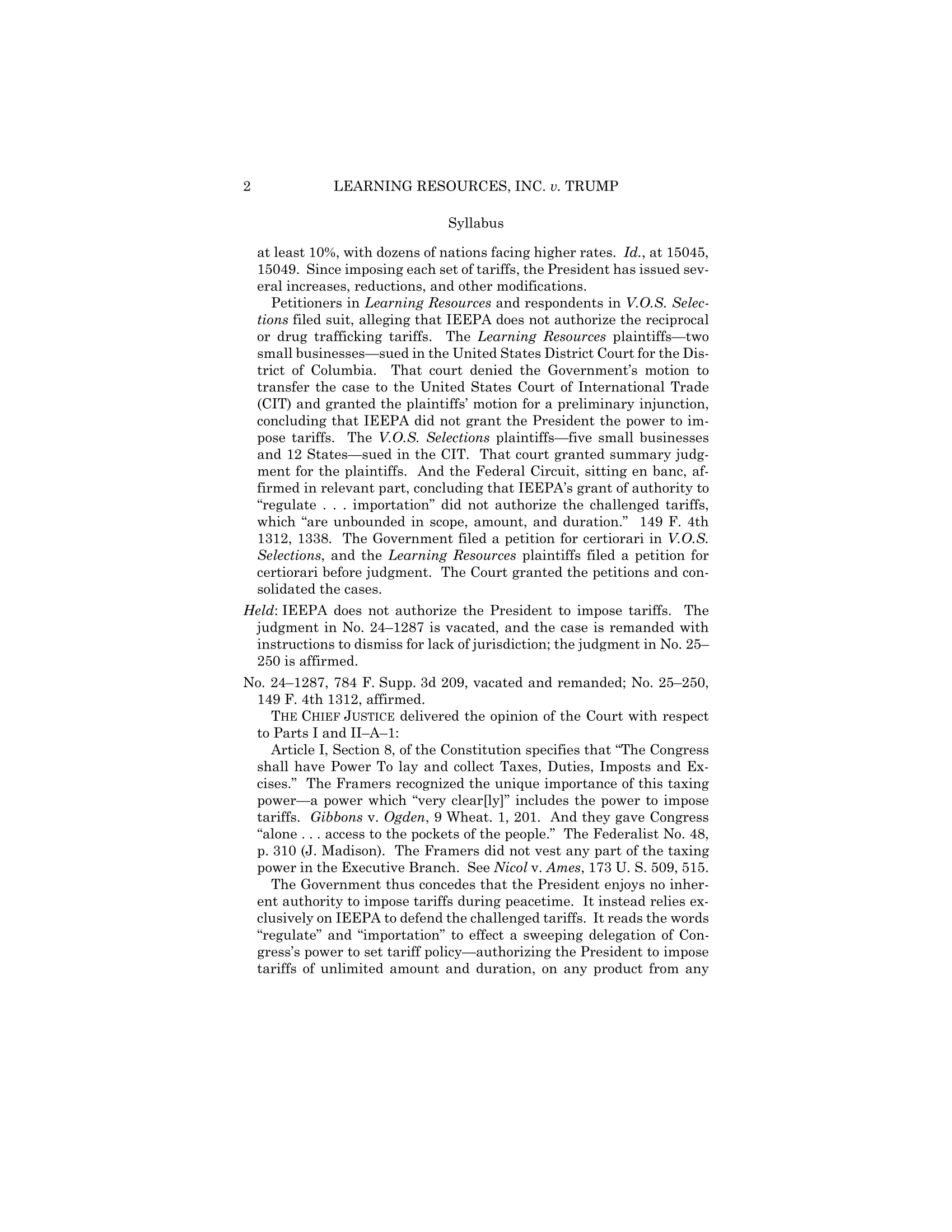
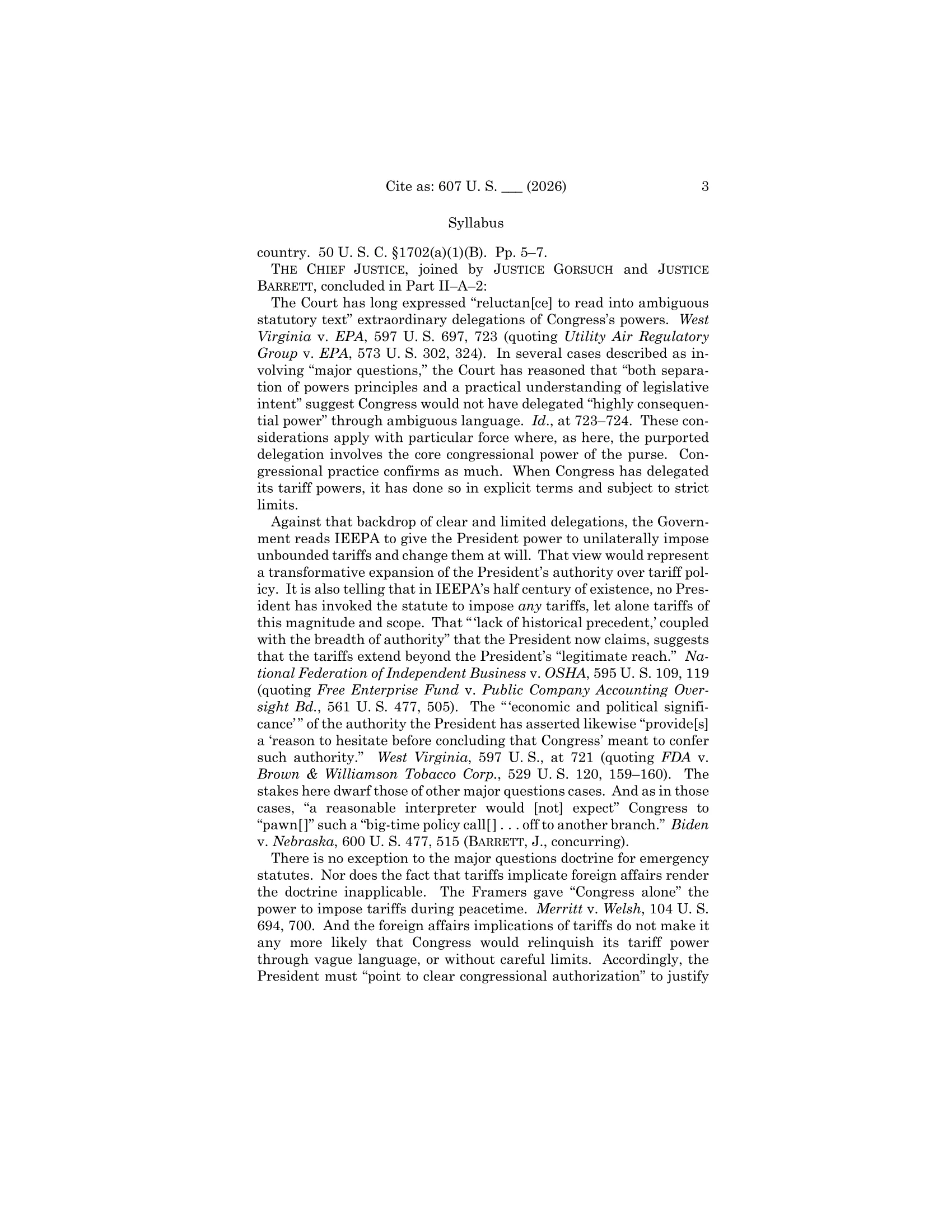
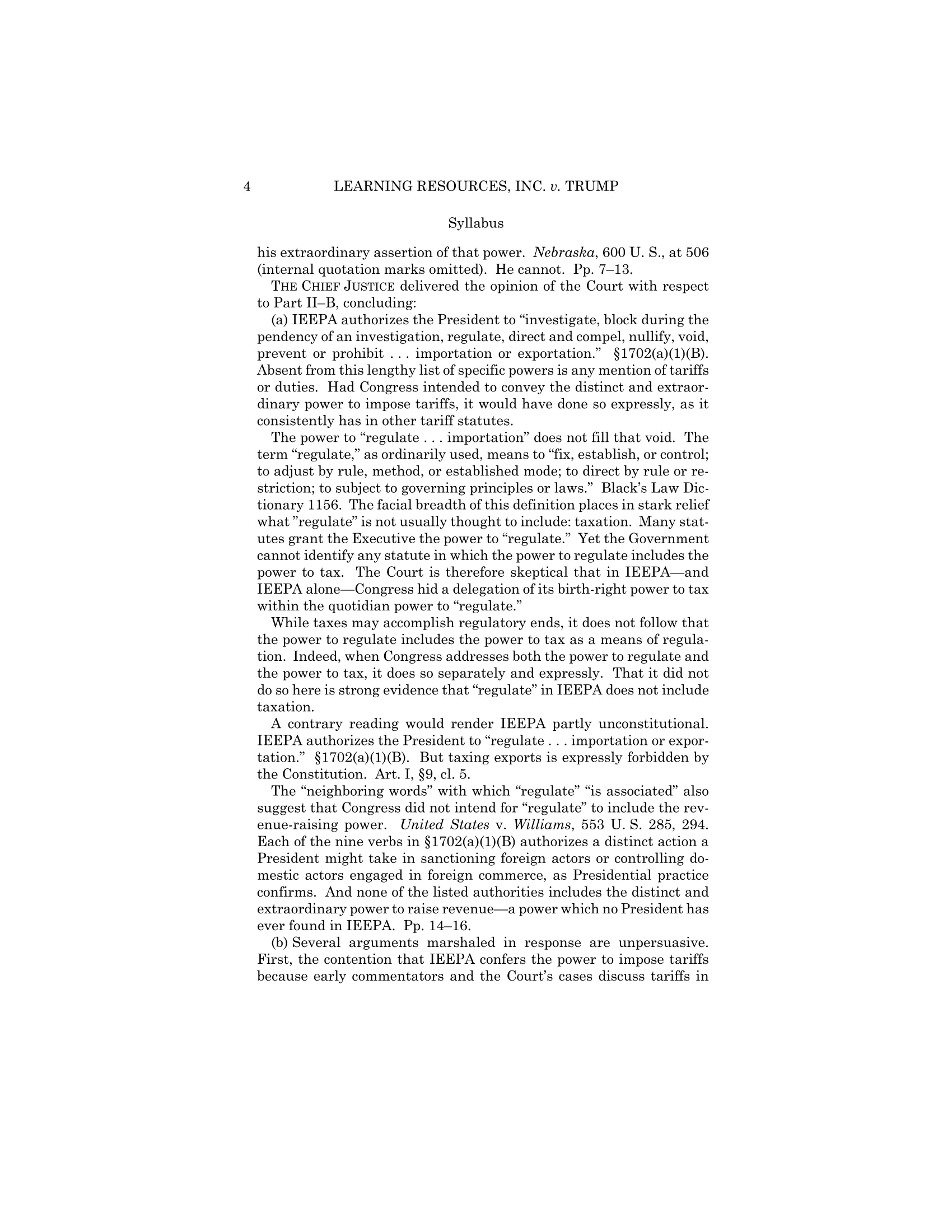
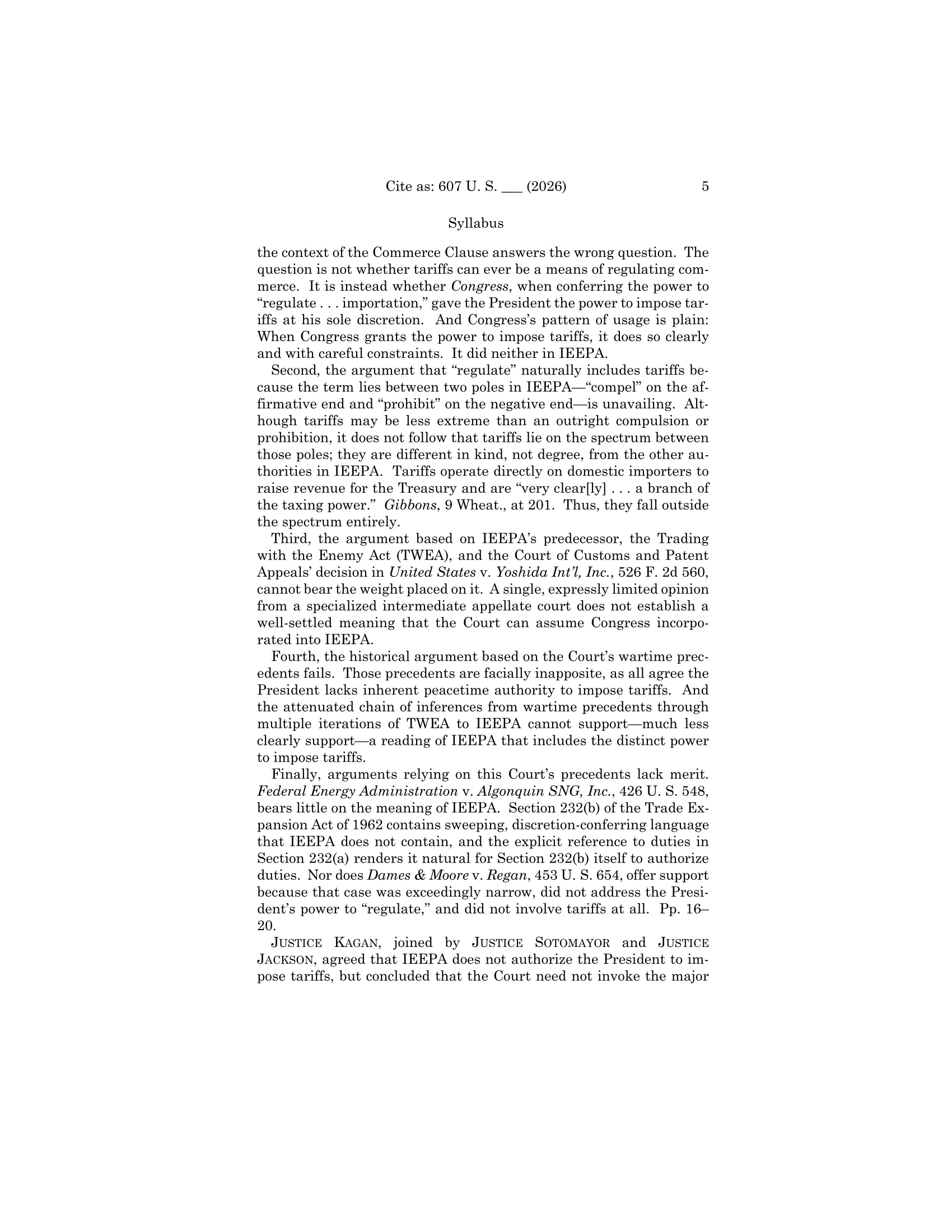
In a 6-3 decision, the Supreme Court determined that IEEPA does not provide the president with the authority to impose tariffs. The Court found that while Congress has historically delegated tariff-setting powers, the specific language of IEEPA did not extend to this function.
Read More: Supreme Court Stops Trump Tariffs on Friday, Affecting Businesses
The Court upheld a previous ruling from the U.S. Court of Appeals for the Federal Circuit that deemed Mr. Trump's tariffs illegal.
Chief Justice Roberts, in his opinion, pointed to a lack of historical precedent for using IEEPA in this manner.
The decision does not prevent President Trump from imposing tariffs under different statutes.
Political and Economic Reactions
The ruling has generated varied responses from political figures and the market.
Democratic Response
Many Democrats celebrated the Supreme Court's decision, viewing it as a check on presidential power.
Pramila Jayapal noted that the court sided with criticisms regarding Trump's unilateral tariff powers.
Democrats characterized the tariffs as an unfair tax on Americans.
This stance contrasts with past instances where some Democrats, like former Speaker Nancy Pelosi, advocated for tariffs to counter China's market influence.
President Trump's Reaction
President Trump reacted with anger and vowed to explore further options.
He slammed the Supreme Court following the decision.
The President announced he would hold a press conference to discuss the ruling.
He has also suggested, without evidence, that foreign interests may have influenced the court's decision.
Market Impact
The stock market reacted positively to the news, with major U.S. stock indexes showing gains after the ruling.
Expert Analysis
Legal experts have weighed in on the implications of the Supreme Court's decision.
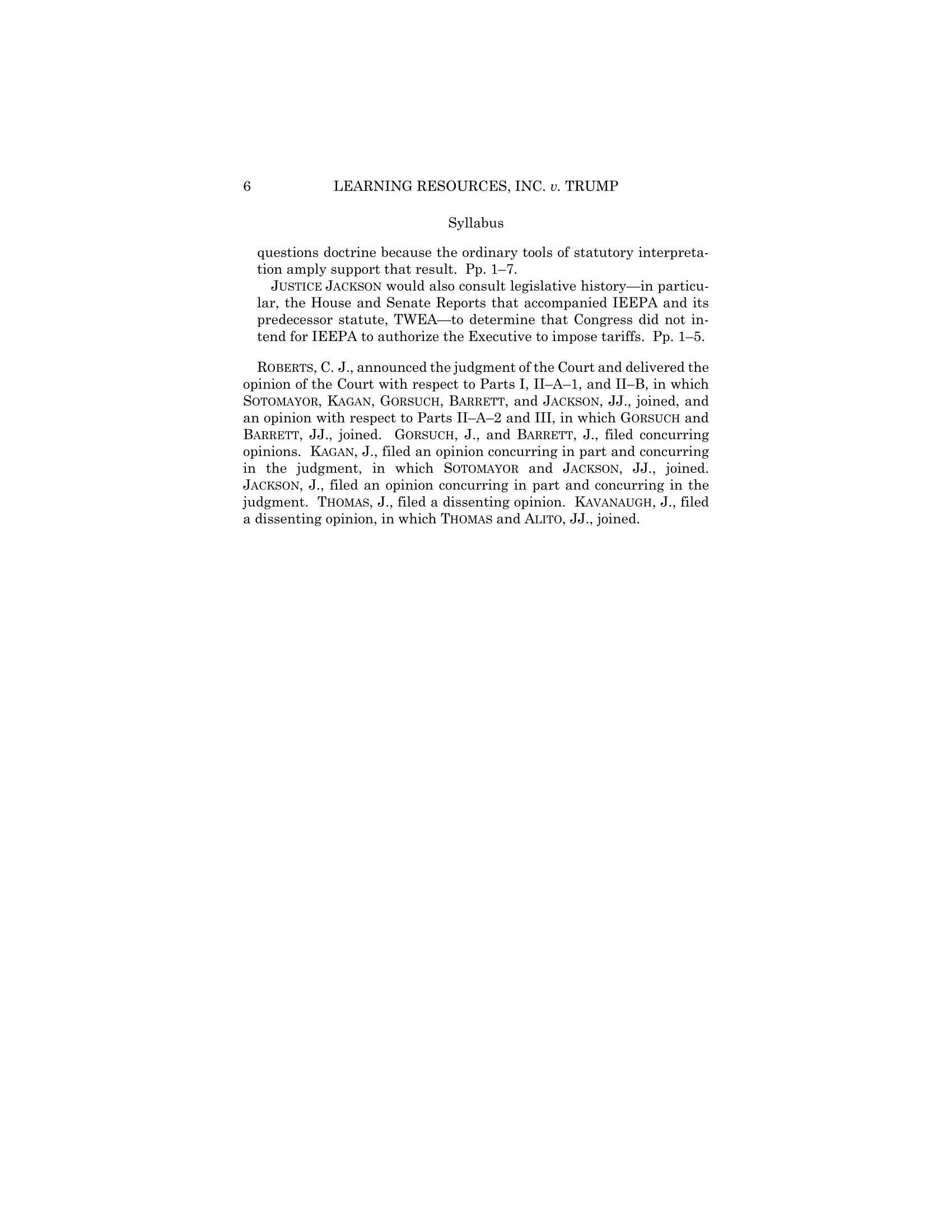
"The Court ruled that Trump exceeded his authority when imposing sweeping tariffs using a law reserved for a national emergency." - NBC News reporting on the court's opinion.
The court's interpretation focuses on the specific statutory authority granted by Congress. While the Executive Branch may have broad powers in foreign affairs and national security, the judiciary's role is to ensure those powers are exercised within the boundaries established by law.
Implications and Future Steps
The Supreme Court's ruling significantly curtails President Trump's ability to impose tariffs unilaterally under IEEPA. However, it opens the door for the administration to explore other legal avenues for imposing duties.
Read More: Trump Announces 10% Global Tariff After Supreme Court Ruling in February 2026
Existing Statutes: Several other U.S. statutes could allow President Trump to reimpose tariffs if he chooses.
Trade Deals: It remains unclear how this decision might affect ongoing or future trade negotiations and agreements with other countries.
Economic Agenda: The ruling represents a setback for a key component of President Trump's economic agenda, impacting his strategy for addressing trade imbalances.
Sources
Fox News: https://www.foxnews.com/politics/democrats-cheer-supreme-court-move-blocking-trump-tariffs-despite-past-support-trade-duties
The New York Times: https://www.nytimes.com/interactive/2026/02/20/us/politics/supreme-court-tariffs-decision.html
USA Today: https://www.usatoday.com/story/news/politics/2026/02/20/supreme-court-trump-tariffs-ruling/87778248007/
Associated Press: https://www.apnews.com/article/supreme-court-tariffs-trump-0485fcda30a7310501123e4931dba3f9
CBS News: https://www.cbsnews.com/news/supreme-court-tariffs-decision-trump/
Vulture (New York Magazine): https://www.nymag.com/intelligencer/article/supreme-courts-trump-tariffs-live-updates-reaction-analysis.html
NBC News: https://www.nbcnews.com/politics/supreme-court/live-blog/-trump-tariffs-ruling-supreme-court-live-updates-rcna252655
SCOTUSblog: https://www.scotusblog.com/2025/08/the-supreme-court-and-trumps-tariffs-an-explainer/