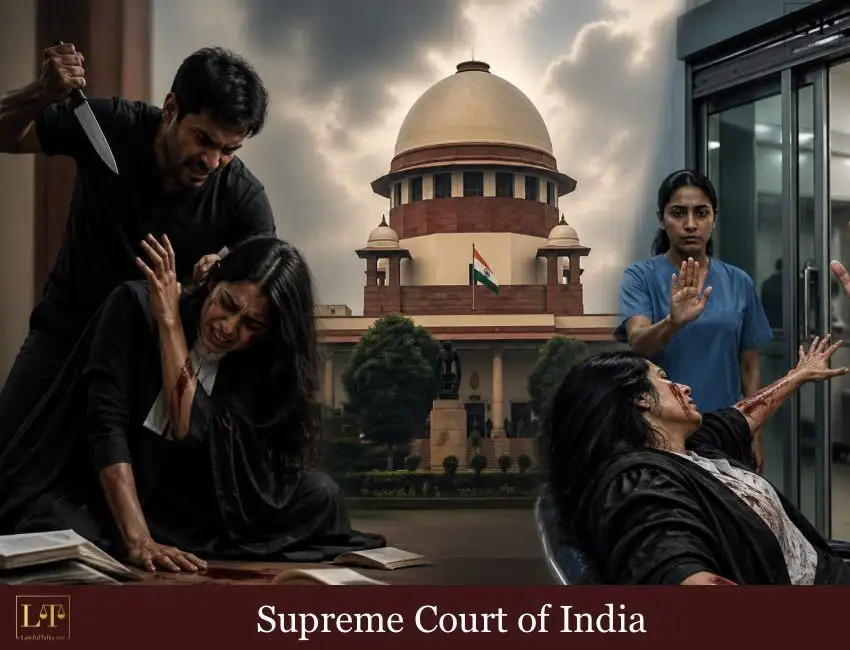
The Supreme Court has directed the Delhi Police to expedite the investigation into the brutal stabbing of a woman advocate, emphasizing the need for a dispassionate, fair, and impartial probe. The court also mandated that the victim receive protection and that her daughters be provided with all necessary educational facilities free of charge. The court's intervention, which began on April 27th, initially saw the case being handed over to a senior police officer, preferably a woman, following the brutal assault.
Broader Inquiries and Support Mechanisms
Beyond the immediate investigation, the Supreme Court has also turned its attention to the circumstances surrounding the victim's immediate aftermath. An inquiry has been ordered into multiple hospitals that allegedly refused to admit the advocate after the assault. This aspect of the case brings into focus a pattern of similar incidents that have previously drawn the court's notice regarding emergency medical care denial in the Delhi-NCR region. Furthermore, the court has overseen the transfer of custody of the victim's two minor daughters to their mother following her discharge from the hospital. In instances where children were initially reported missing, the court has issued directions for their tracing and has made specific arrangements for their care.
Read More: Judge Reyes halts East Potomac Golf site work until April 21 2026

Background and Initial Action
The Supreme Court initiated 'suo motu' proceedings—taking cognizance of the matter without a formal petition—after becoming aware of the severe attack. The advocate was allegedly stabbed by her husband in his office on April 22nd. She reportedly managed to contact the police and was subsequently taken to several hospitals, including GTB, RK, and Kailash Hospitals, all of which are alleged to have denied her admission. She was eventually treated at AIIMS and later transferred to a private facility.
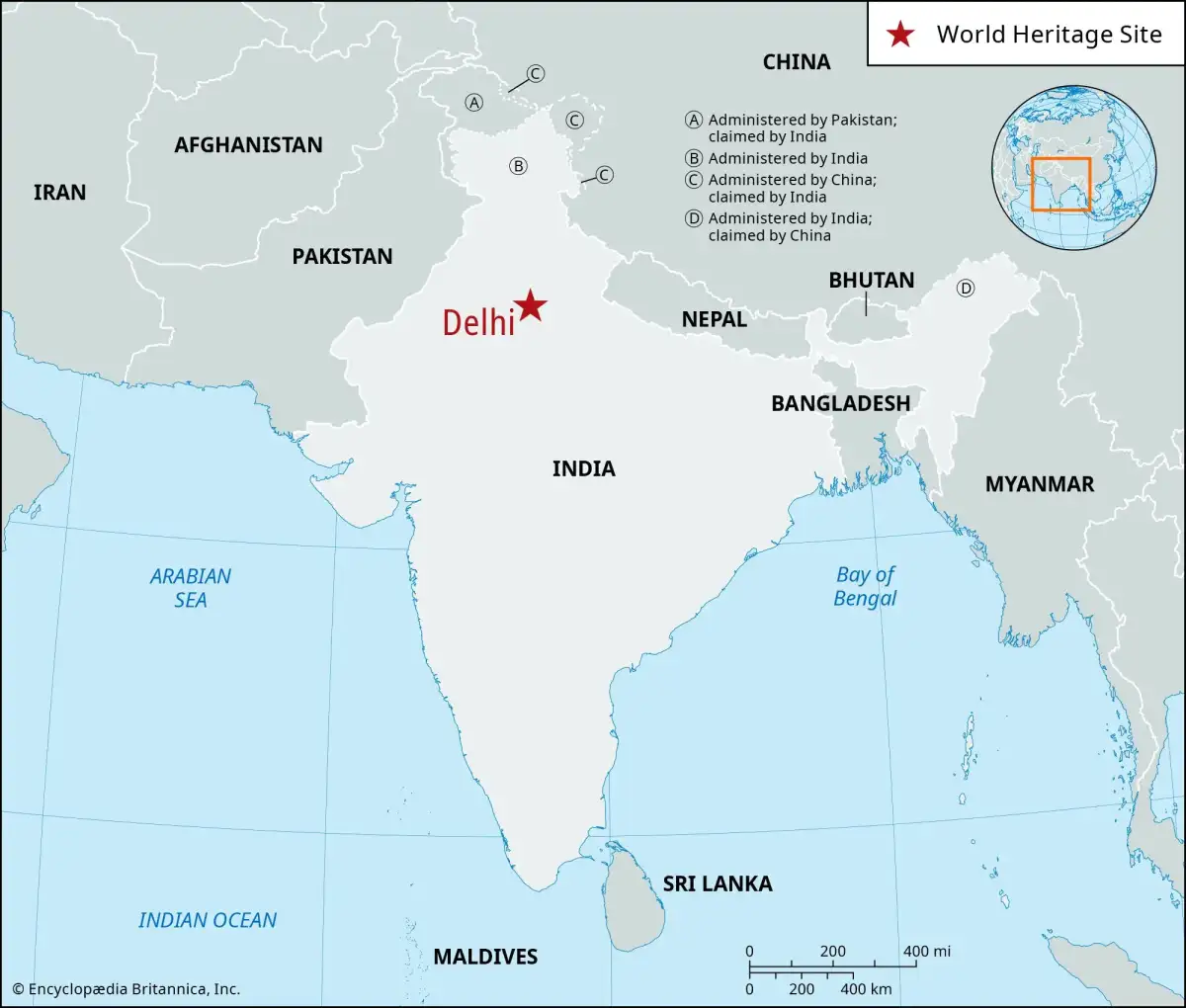
The accused, identified as Manoj Kumar, a resident of Sonia Vihar, was apprehended in the Khajuri Khas area. The court's actions extend to ensuring financial aid for the victim's treatment and the care of her children, with the National Legal Services Authority tasked with providing immediate financial assistance.