Delhi's Premier Shopping Hubs Face Property Tax Overhaul
New Delhi Municipal Council (NDMC) areas, home to prestigious locales like Khan Market and Connaught Place, are set to undergo a significant shift in property tax assessment. The council is rolling out the Unit Area Method (UAM), a system intended to replace the current rateable or rental value method. Officials claim this reform, linked to the Centre's Jan Vishwas framework, could slash property tax burdens by 30% to 50% and lower the maximum tax rate from 30% to 20%.
The core of the dispute centers on the disparity in property tax rates between NDMC-administered areas and other parts of Delhi, with retailers arguing for a unified tax structure.
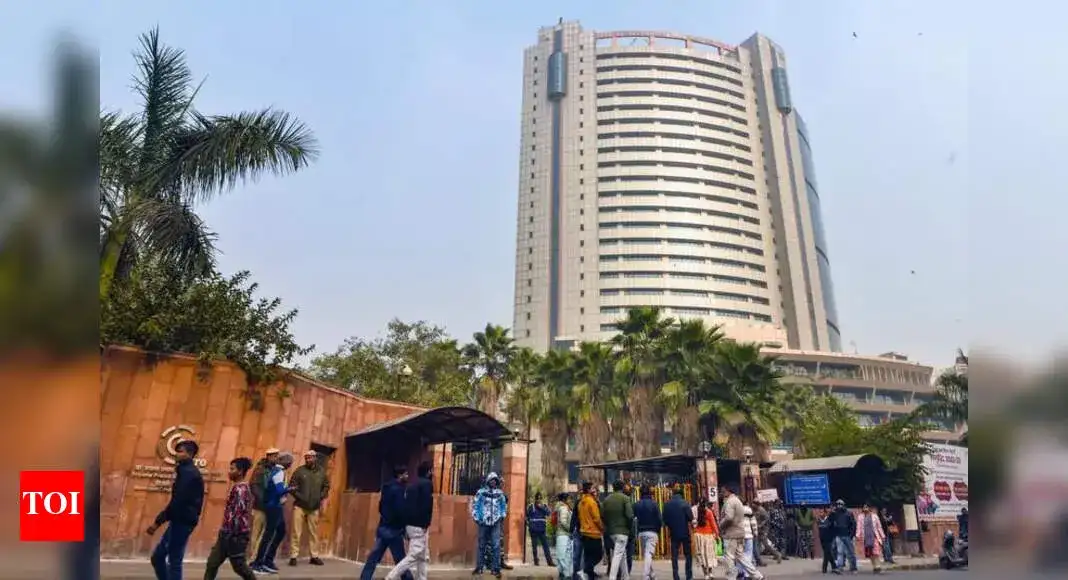
This proposed change aims to simplify tax calculation, boost transparency, and reduce compliance burdens for traders. Features like self-assessment, online payment, and bifurcation for separate assessment of different property units (e.g., shops and storage) are being introduced. The UAM considers factors such as unit area value, property area, use, structure, age, and tax rate for calculation.
Read More: FIFA World Cup 2026 Revenue Reaches $15 Billion With New Ticket Prices
Traders Voice Concerns Amidst Reform Promises
While NDMC Vice-Chairperson Kuljeet Singh Chahal has highlighted potential tax reductions and a streamlined process, some traders remain apprehensive. The New Delhi Traders Association has been pushing for property tax parity with areas under the Municipal Corporation of Delhi (MCD), where tax rates are reportedly much lower, standing at only 2-3% of collected rent compared to up to 25% in NDMC areas.

"All we are asking for is one city one tax, which will simplify everything." - Vikram Badhwar, General Secretary, New Delhi Traders Association.
The association notes a delay in implementing the gazette notification for the new tax regime, creating uncertainty and impacting businesses. Despite the proposed benefits of UAM, concerns persist about the actual impact on individual businesses and the fairness of the new assessment parameters. Officials have acknowledged existing "structural issues in property ownership," which may further complicate the transition.
A Move Towards Uniformity and Modernization
The introduction of the UAM is presented as a step towards greater fairness and objectivity in tax determination. The NDMC anticipates improved tax collection, projecting a rise from Rs 1,045 crore last year to around Rs 1,350 crore this year, citing enhanced compliance under the new regime. The proposed reforms also include decriminalization of provisions, with changes planned in over 105 sections of the relevant Act.
Read More: Delhi Students Protest Education System Flaws on July 6
For older properties, an age factor is expected to provide relief, and the bifurcation option allows for distinct taxation of various parts of a single property. These measures are intended to build trader confidence and reduce disputes arising from tax calculations.