Robert Henrysson has officially vacated his position as CEO of Supermassive Games, concurrently ending his partnership with the parent firm, Nordisk Games. As of April 7, 2026, the Guildford-based developer, known for titles such as Until Dawn and The Dark Pictures Anthology, has appointed Graeme Law as interim head while a permanent successor remains unconfirmed.
The transition follows two years of intense volatility and internal restructuring within the studio.
| Personnel Change | Status | Effective Date |
|---|---|---|
| Robert Henrysson | Departing CEO | June/July 2026 |
| Graeme Law | Interim CEO | Immediate |
| Nicholas Penwarden | Exiting Epic Games | July 2026 |
Structural Shifts and Operational Context
The departure of Henrysson concludes a tenure defined by the studio’s navigation of shifting market demands and internal reorganization. Despite public assertions regarding the studio’s "creative autonomy" under the Nordisk Games holding model, the transition arrives in the wake of recent layoffs and a period of operational pressure.
Succession Gap: No long-term leadership plan has been formalized. The appointment of Graeme Law serves as a bridge, though observers note the lack of a named replacement indicates potential uncertainty regarding the studio’s future strategic direction.
Corporate Legacy: Henrysson, who previously directed Avalanche Games Group and contributed to the Just Cause franchise, cited a need for family time, though he intends to remain active in the sector and will attend the upcoming Gamescom.
Broader Industry Movement: The executive turnover extends beyond Guildford; Nicholas Penwarden has similarly exited Epic Games after a 15-year career that saw him oversee the technical architecture of Unreal Engine.
The Consolidation Landscape
The Supermassive Games studio model rests on a long-term investment strategy managed by Nordisk Games. Critics and analysts suggest the current vacancy is a symptom of the studio's struggle to maintain consistent output while absorbing the costs of a rapidly evolving horror-narrative market. While the firm denies that these changes signal a reduction in creative autonomy, the shift in leadership necessitates a recalibration of how the studio balances its development cycles against parent-company expectations.
Read More: Street Fighter 6 Year 4 Pass adds Tifa and 3 new fighters in 2026
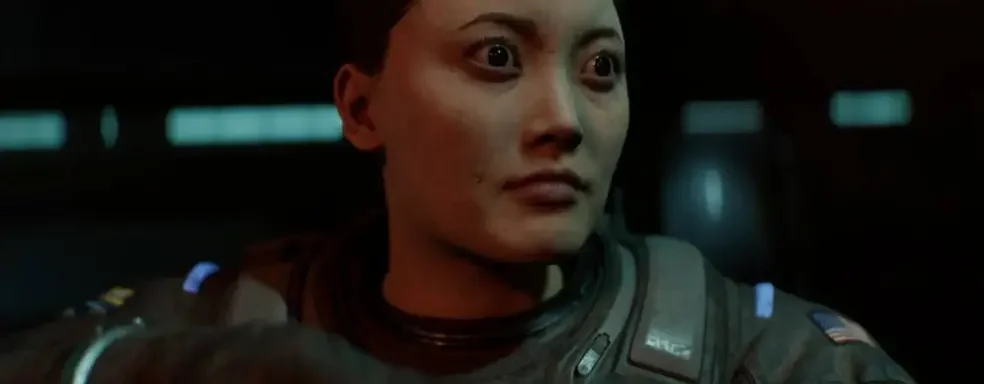
For the time being, the studio operates under an interim mandate, avoiding drastic "reinvention" in favor of settling the organizational structure after years of high-intensity internal turnover.




/content/opengraph/MTG-Top-10-Best-Commander-Cards-From-Magic-The-Gathering-Marvel-Super-Heroes-MSC-MSH.png)