Port Sudan, Sudan – April 15, 2026 – As the brutal conflict between the Sudanese Armed Forces (SAF) and the Rapid Support Forces (RSF) plunges into its fourth year, the scale of human suffering and displacement has reached an apex, with United Nations officials labelling it a "forgotten emergency." The war, which began on April 15, 2023, has not only devastated lives but has also crippled essential services, leaving millions facing extreme hunger and a critical lack of aid.

The conflict has escalated into the world's largest humanitarian and displacement crisis, with alarming casualty figures, particularly among children, and a desperate shortage of aid due to blocked access and underfunding.

The ongoing violence has created a chilling pattern of disappearances. The International Committee of the Red Cross (ICRC) reported assisting 62,000 families last year alone in their search for missing relatives, underscoring the chaotic nature of the fighting. Daniel O’Malley, head of the ICRC in Sudan, noted, “There’s a constant pattern of people going missing, disappearing, especially when a location changes hands.” Fatima, displaced from El Obeid to Port Sudan, shared her anguish over her stepson's disappearance during fighting in Kordofan, a province now central to the conflict. “We do not know whether he is alive or dead,” she stated.
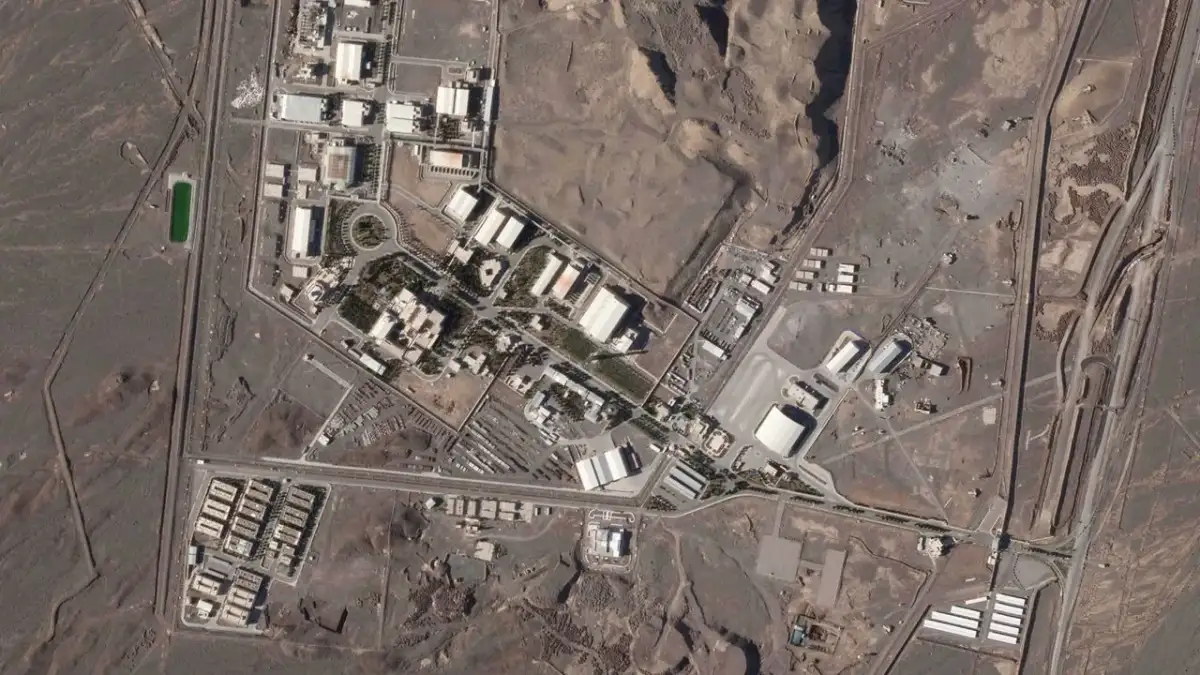
Read More: Iran Zagros Mountain Nuclear Site Construction Update April 2026

Diplomatic efforts continue, with the German government preparing to host a conference aimed at securing increased funding and pressuring the warring factions to allow humanitarian access across the country. UN Secretary-General António Guterres has repeatedly called for an immediate ceasefire, unimpeded humanitarian access, and safe passage for those seeking to escape. However, recent figures reveal nearly 700 civilian deaths from drone strikes in the first three months of 2026, with drone attacks accounting for an estimated 80% of child killings and injuries.

A War of Exhaustion and Neglect
The current hostilities, characterized by their intensity and the devastation of previously untouched areas, represent the most destructive internal war in Sudan's history. Both the SAF and RSF, alongside various militia groups like the Awlad Jadallah and Sudan Shield Forces, are locked in a conflict that appears to be a test of sheer endurance, with neither side achieving decisive victory. This prolonged struggle has fueled despair, widened societal divisions, and shattered dreams of stability and a peaceful future for millions.
Read More: Sudanese Army Recaptures Khor Hassan Town Near Ethiopia Border
The consequences extend beyond immediate casualties. Reports indicate that food, health, and shelter aid are being severely curtailed due to access blockades, turning essential supplies into tools of war. NGOs highlight that millions are surviving on a single meal a day in regions like North Darfur and South Kordofan, with some resorting to consuming leaves and animal feed. The health crisis has deepened, with shattered water and health services exacerbating the suffering.
Shattered Lives and Fading Hope
The war has inflicted deep scars on urban centers like Khartoum, erasing not only lives but also stability, security, and the very notion of a future. Public bus driver Magdi Khalifa lost his livelihood, friends, and relatives, with others succumbing to the collapse of the healthcare system. Mohamed Suleiman, a reporter whose phone became functional after three years of silence, documented the grim realities of conflict, finding solace only in the act of telling their stories. Upon returning to Port Sudan, he found only rubble where his home once stood, looted and destroyed.
Read More: 40 Die in Quetta to Peshawar Bus Crash in Balochistan on April 3 2026
Beyond Sudan's borders, the conflict poses a threat of regional instability. Thousands have fled to Europe via the Mediterranean, while over 500,000 have reached Libya, a significant transit point for migration. The international community faces accusations of failing Sudan, with a stark warning from the UN relief chief about an "abandoned crisis."
Background:Sudan has a protracted history of internal conflict, with the current war, a power struggle between generals Mohamed Hamdan Dagalo (known as Hemedti) of the RSF and Abdel Fattah al-Burhan of the SAF, marking a particularly destructive chapter. The dispute, which reportedly stemmed from disagreements over the integration of forces into a new political structure for a democratic Sudan, has plunged the nation into a humanitarian catastrophe. External actors are also implicated, with calls for them to align their efforts to accelerate peace, as continued fragmentation and violence threaten to destabilize the wider region.
Read More: Sudan Faces Big Problems Because of Fighting