Global Choke Point Snarls Supply Chains, Sparks Consumer Scrutiny
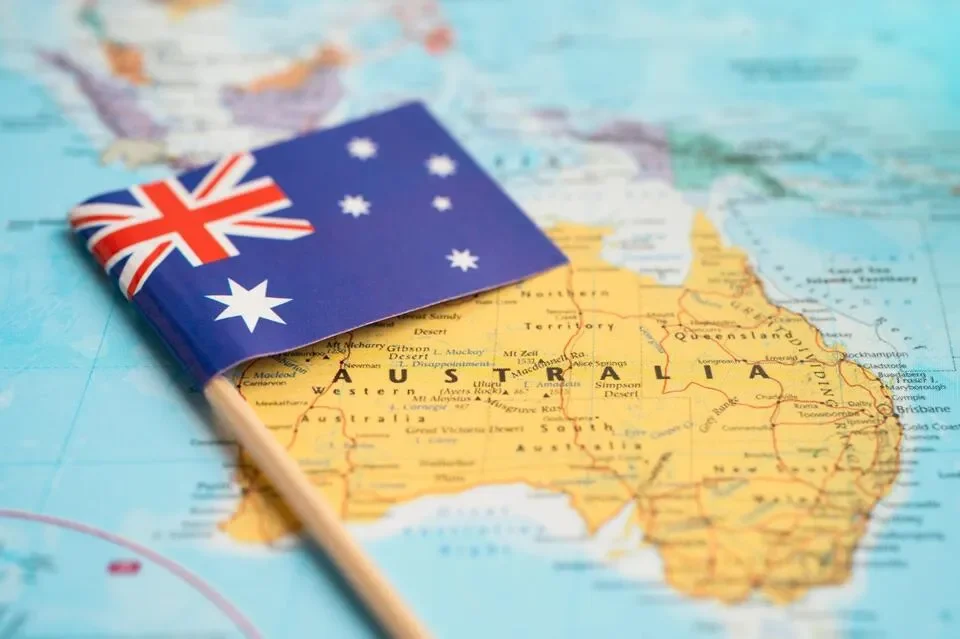
The disruption at the Strait of Hormuz, a vital artery for global energy transport, is rippling outwards, impacting economies thousands of kilometers away. In Brisbane, the effects are becoming palpable, extending beyond the pump to influence consumer behavior and spurring a noticeable shift in interest towards alternative transportation.
The closure of this narrow waterway, a bottleneck through which an estimated 15 million barrels of oil transit daily, has thrown global energy markets into disarray. Brent crude prices are experiencing significant volatility, reflecting the uncertainty and fear gripping international trade. Shipping giants, including major players like Maersk, have suspended operations through the Strait, rerouting vessels around the Cape of Good Hope. This recalibration of global logistics signifies a potentially long-term strategic pivot necessitated by the crisis.

The impact on household budgets in regions like Brisbane is already evident. While the direct cost of filling vehicles is a primary concern, the effects are proving broader. Searches for terms like "electric car" have surged to levels unseen during previous fuel shocks, indicating a public recalibration of priorities and a growing search for respite from volatile energy prices. This heightened interest suggests a potential acceleration in the adoption of alternative transportation solutions, driven by the stark realities of global supply chain fragility.
Read More: Australia Offers Coal for Oil as China Halts Fuel Exports Amid Supply Fears
Maritime Gridlock and Economic Uncertainty
The blockage at the Strait of Hormuz has resulted in an estimated 1,000 vessels, encompassing Very Large Crude Carriers and LNG tankers, being idled. This maritime logjam has trapped significant daily oil shipments, contributing to the erratic price swings. The resolution of this crisis is being closely watched, with potential U.S.-led naval escorts emerging as a key factor to monitor in the coming weeks, a move that could either de-escalate tensions or risk further confrontation.
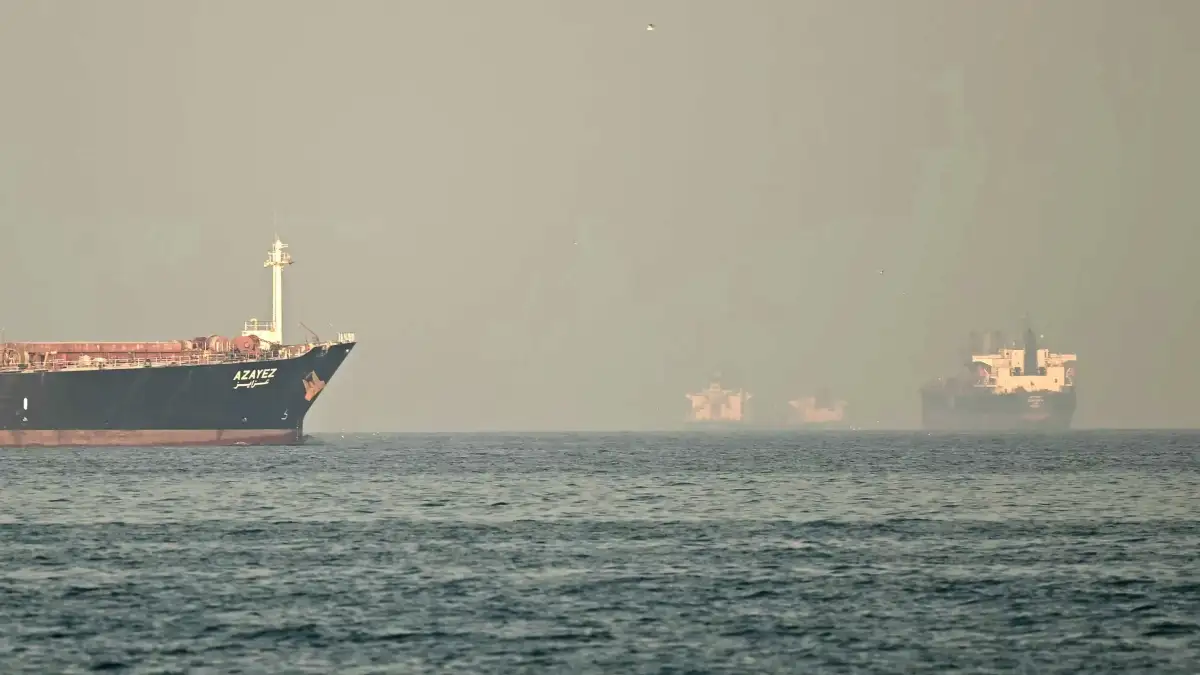
The Strait's significance extends beyond crude oil; it is also a critical conduit for global container trade. The escalating conflict in the Middle East, leading to U.S. and Israeli strikes on Iran, has amplified fears of sustained disruption to maritime corridors. This unrest has prompted major shipping companies to alter their routes, bypassing the Strait of Hormuz and impacting services bound for various international destinations.
Read More: South Australia Election: One Nation Gains Seats, Liberals Lose Support
Australia's Fuel Dependency Laid Bare
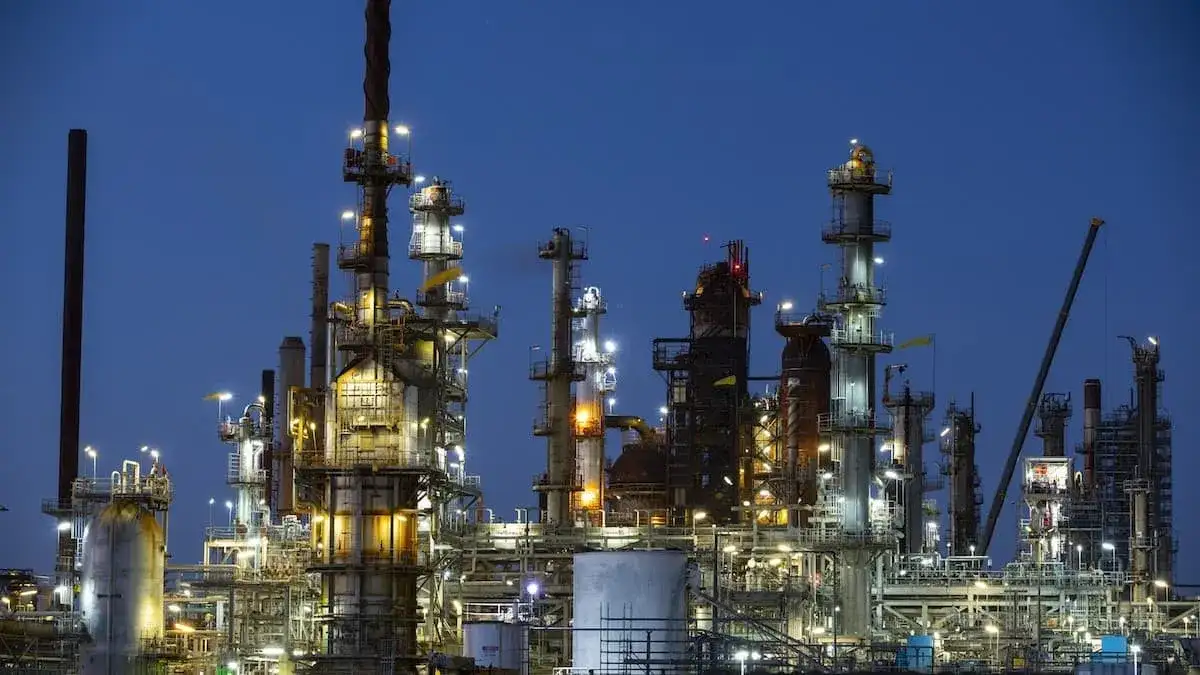
The crisis underscores Australia's reliance on imported refined fuel. With only a handful of domestic refineries remaining, a substantial portion of the nation's fuel supply originates from overseas. Australia possesses only about 36 days of fuel reserves when considering its current import dependency. This vulnerability is magnified by the fact that less than 30 percent of Australia's fuel needs are met by domestic refining capacity, with over 70 percent sourced internationally. While oil markets have demonstrated resilience in the past, the scale and strategic importance of the Strait of Hormuz make this a uniquely challenging scenario. The situation necessitates a careful watch on global geopolitical developments and their tangible effects on everyday life.