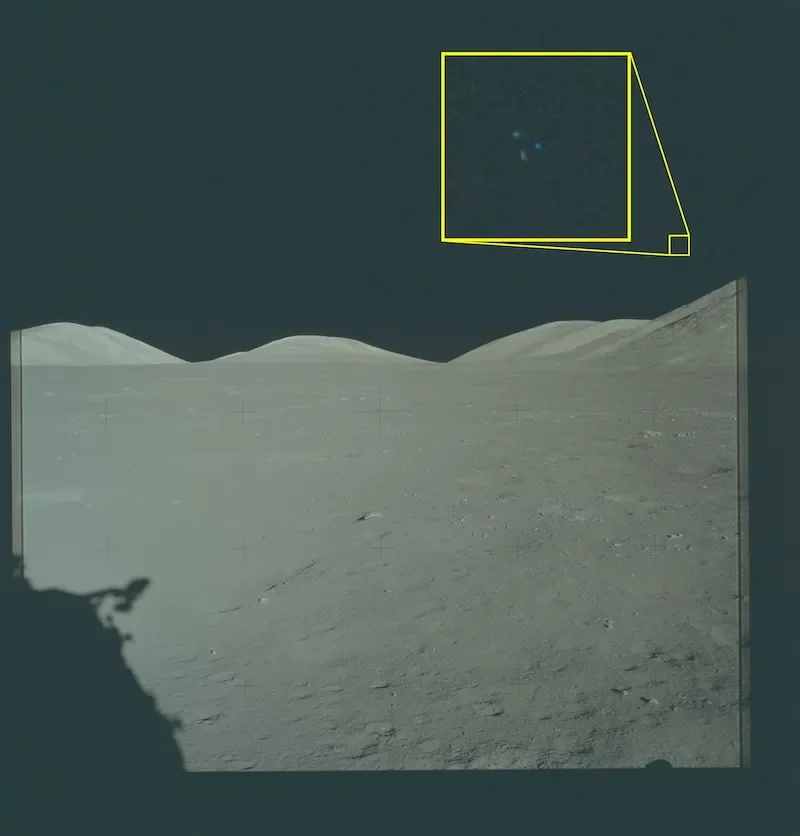
Elon Musk, the founder of SpaceX, has announced a significant shift in the company's long-term strategy, moving the primary focus from establishing a self-sustaining city on Mars to building a settlement on the Moon. This change in direction, communicated through posts on his social media platform X, signals a more pragmatic, albeit temporary, deferral of his well-established Mars ambitions. The stated reasons for this pivot center on faster achievable timelines and strategic urgency, positioning the Moon as a more accessible testing ground for future space endeavors.

Background and Shifting Objectives
SpaceX, founded by Musk with the singular aim of making humanity a multi-planetary species, has long championed the colonization of Mars. This vision has been a driving force behind the development of its ambitious Starship rocket system, a crucial component for interplanetary travel. However, recent statements indicate a substantial reordering of priorities.
Read More: Lab Recreates Dying Stars, Shows Hydrogen Makes Life's Building Blocks

Mars Ambitions: Musk's initial vision for Mars involved establishing a city with a million inhabitants, a goal that has been a cornerstone of SpaceX's mission for over a decade. The company's facilities, including the Starbase in Texas, are decorated with imagery and themes reflective of the red planet.
Lunar Focus: The new directive prioritizes building a "self-growing city" on the Moon. Musk suggests this can be achieved within a decade, a stark contrast to the projected timeline for a similar Mars settlement, which he estimates at over 20 years.
Rationale for Change: Proximity to Earth is cited as a key advantage of the Moon, allowing for faster iteration and development cycles. Furthermore, the logistical realities of space travel, such as the limited launch windows for Mars missions every 26 months compared to more frequent opportunities for lunar flights, appear to have influenced this decision.
Evidence of the Shift
Multiple sources confirm Musk's pronouncements and the documented changes in SpaceX's strategic direction.

Musk's Statements: Elon Musk has directly communicated this shift on X, stating: "For those unaware, SpaceX has already shifted focus to building a self-growing city on the Moon, as we can potentially achieve that in less than 10 years, whereas Mars would take 20+ years." He further elaborated that starting with the Moon is more practical for the company's founding principles of extending life to the stars.
Investor Communications: Reports indicate that SpaceX has informed investors about placing its Mars plans "on the back burner."
Timeline Adjustments: Musk has indicated that SpaceX will resume work toward Mars in the next five to seven years, suggesting the lunar initiative is a precursor rather than a complete abandonment of his Mars goals.
Artemis Program Alignment and Competition
The timing of this pivot coincides with NASA's Artemis program, which aims to return humans to the Moon and establish a sustained lunar presence.

Artemis II and III: NASA's Artemis II mission is slated to orbit the Moon without landing, serving as a precursor to Artemis III, the planned lunar landing mission. SpaceX's Starship is designated as the Human Landing System (HLS) for Artemis III.
Contractual Scrutiny: Notably, there have been discussions within NASA, including comments from Transportation Secretary Sean Duffy, about potentially re-evaluating SpaceX's HLS contract for Artemis III and considering competitors like Blue Origin. Administrator Jared Isaacman has indicated an openness to reviewing bids from other aerospace firms.
Competitive Landscape: SpaceX faces competition not only from other launch providers but also within the broader context of lunar exploration initiatives by various international entities. The Artemis Accords, signed by 61 countries, emphasize the use of space, including the Moon and Mars, for peaceful purposes.
Technical and Developmental Considerations
The feasibility of these ambitious lunar plans is intrinsically linked to the development of SpaceX's Starship.
Starship's Role: The Starship rocket is central to both lunar and Martian missions. While development progresses, it has encountered significant challenges, including multiple test flight failures. Musk has previously outlined plans for orbital refueling for Mars missions and a vision of 1,000 Starship launches annually.
Lunar Infrastructure: Beyond transportation, Musk has shared plans for establishing factories on the Moon to manufacture components for AI satellites and related systems.
Iterative Development: The Moon's proximity allows for a more rapid development cycle, enabling SpaceX to refine its technologies and operational strategies before undertaking the more complex and distant Mars missions.
Expert Perspectives and Industry Impact
While Musk frames this as a practical and strategic adjustment, industry observers offer varying interpretations.
Pragmatic Evolution: Some see the shift as a logical adaptation to engineering realities and mission timelines, acknowledging that Mars colonization presents significantly greater technical and logistical hurdles.
Skeptical Scrutiny: Others view this as a continuation of a pattern of overambitious timelines and changing priorities, referencing past instances where Musk has adjusted his projected Mars landing dates.
Broader Space Economy: The merger of xAI and SpaceX into a trillion-dollar entity is also seen by some as a move that could further bolster its resources and capabilities in pursuing its space objectives.
Conclusion and Future Implications
SpaceX's current strategic posture places a distinct emphasis on establishing a lunar presence, with the development of a "self-growing city" as the immediate objective. This decision, driven by considerations of expediency and technical pragmatism, represents a notable redirection from the company's long-held and highly publicized Mars colonization goals. While the long-term vision of a Mars settlement remains on the table, the immediate focus is firmly on the Moon. The success of this lunar endeavor will likely serve as a critical stepping stone, influencing the company's approach and capabilities for future interplanetary exploration. The evolving landscape of lunar missions, including NASA's Artemis program and international collaborations, will also play a significant role in shaping the trajectory of SpaceX's lunar city project.
Read More: Irish Times AI Scam and Deepfake Election Threat
Sources:
CNN: https://www.cnn.com/2026/02/08/science/elon-musk-spacex-priorities-moon-intl-hnk
LADbible: https://www.ladbible.com/news/science/elon-musk-space-x-city-change-mars-moon-450467-20260211
Ars Technica: https://arstechnica.com/space/2026/02/has-elon-musk-given-up-on-mars/
19fortyfive: https://www.19fortyfive.com/2026/02/why-elon-musk-is-pivoting-to-the-moon-and-leaving-the-spacex-dream-of-mars-behind-for-now/
Fox Business: https://www.foxbusiness.com/technology/musk-says-spacex-shifting-focus-self-growing-city-moon-before-mars-push
Euronews: https://www.euronews.com/next/2026/02/11/spacex-puts-mars-mission-plans-on-ice-and-u-turns-for-moon-city-instead
Flying Magazine: https://www.flyingmag.com/musk-spacex-focus-mars-moon/
Space.com: https://www.space.com/astronomy/moon/a-city-on-the-moon-why-spacex-shifted-its-focus-away-from-mars
Universe Today: https://www.universetoday.com/articles/spacex-makes-a-huge-pivot-wants-to-build-on-the-moon-instead
Telegrafi: https://telegrafi.com/en/Musk-changes-planets-instead-of-Mars—now-targets-the-Moon/
Phys.org: https://phys.org/news/2026-02-spacex-shifts-focus-mars-moon.html
Scientific American: https://www.scientificamerican.com/article/elon-musk-says-spacex-to-prioritize-landing-on-the-moon-instead-of-mars-city/