

:max_bytes(150000):strip_icc()/nitetronic-Z6-smart-anti-snore-pillow-internal-airbags-577b31eb80904131ad10e62febd138a6.jpg)
Tactile Controls Aim to Curb Pre-Sleep Digital Immersion
Researchers have developed a prototype smart pillow intended to facilitate a shift away from smartphone usage before sleep. The device integrates audio playback and tactile sensors, allowing users to control music, podcasts, or audiobooks by touching, pressing, or hugging the pillow. This design bypasses the need for direct screen interaction, proposing an alternative for winding down.
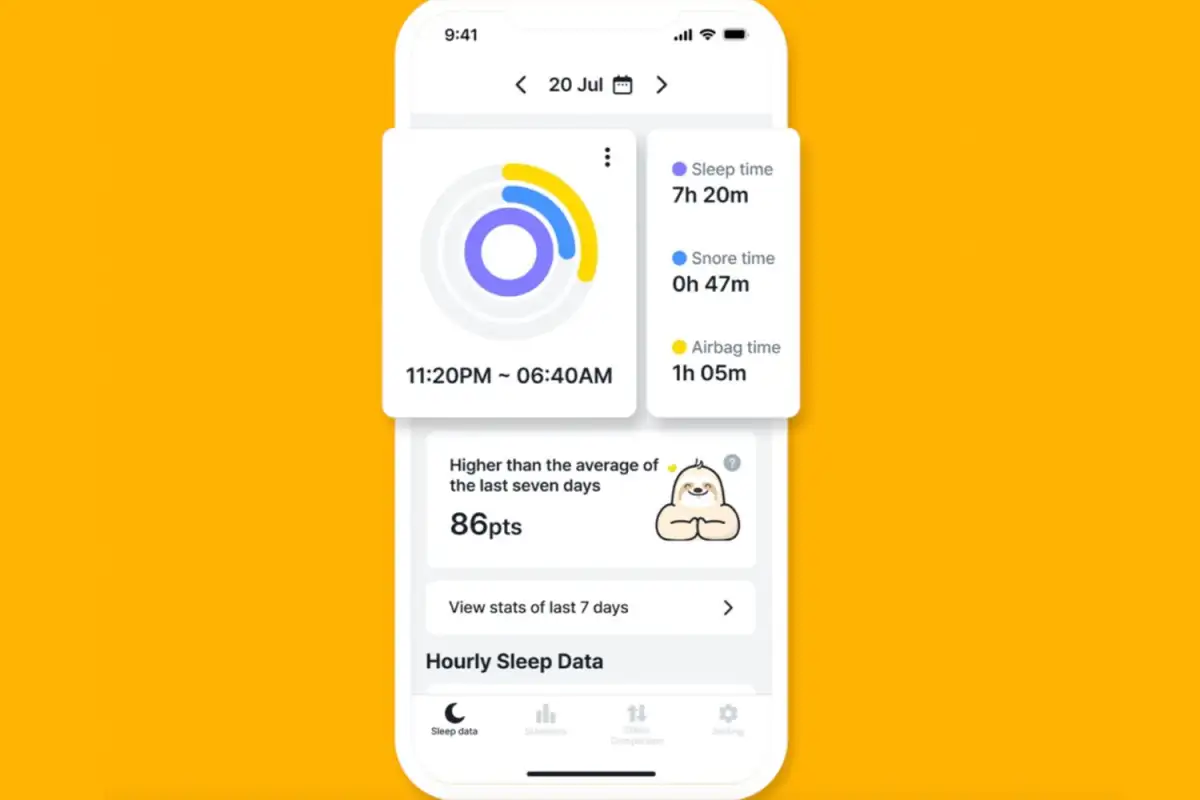
The concept hinges on the idea that auditory content can be a more relaxing alternative to the constant stimulation of phone screens. Participants in a preliminary study indicated that the pillow’s design might help reduce distractions and better align with natural sleep rhythms. While the direct impact on sleep quality wasn't measured, the perceived benefit of reducing screen time was noted. The prototype includes a speaker and sensors embedded within an ordinary pillow. To enhance user experience without visual cues, the researchers have added a embroidered cat face to the front of the pillow, guiding users to interact with it by feel.
Read More: UK Spends £180 Million on New National Time System by 2026
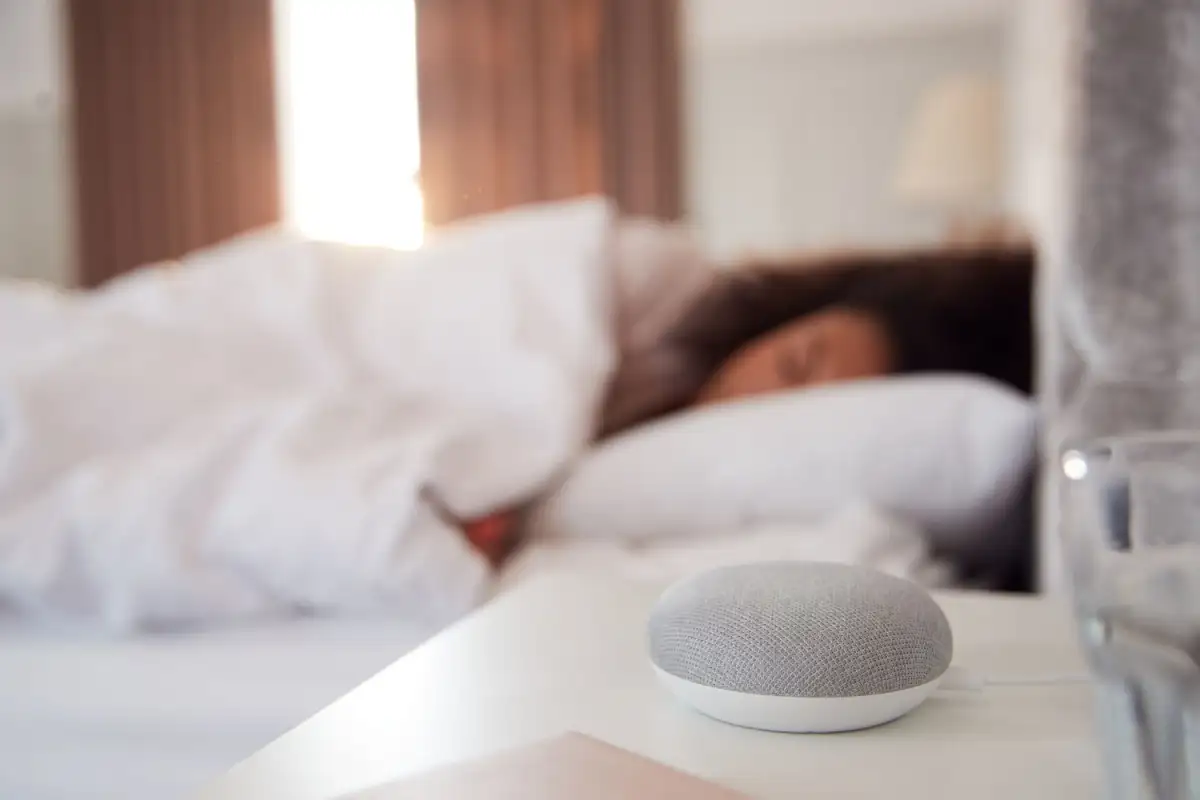
This development aligns with a broader trend in ' smart home ' technologies that seek to improve well-being through less intrusive device interactions. Unlike some existing smart pillows that focus on specific functions like anti-snoring or sleep monitoring, this iteration prioritizes the transition to sleep by managing digital content consumption. It represents an attempt to build technology that encourages relaxation and reduced reliance on personal devices, rather than adding more to a user's existing digital ecosystem.

Broader Context of Smart Sleep Devices
The smart pillow concept emerges within a growing market for ' sleep technology '. Products ranging from smart mattress toppers to smart lighting aim to provide users with more data about their sleep patterns and offer potential improvements. The smart pillow, in this context, could serve as an accessible entry point into a more integrated ' smart sleep setup ', potentially preceding larger investments like smart beds.
Read More: Gut Bacteria Toxin Colibactin Linked to 3x More Colon Cancer in Young People Worldwide
This approach contrasts with other ' digital detox ' tools that offer alternative, though still screen-based, devices for managing digital consumption. For instance, devices like the Boox Palma 2 are mentioned as alternatives for accessing digital content without a primary smartphone, yet they still involve screens. The smart pillow, by design, seeks to disconnect the act of consuming digital audio from visual interfaces.
Currently, the smart pillow described remains a research prototype and is not available for commercial purchase. Its existence highlights an evolving perspective on integrating technology into daily routines, focusing on ' comfort and well-being ' over added functionality.