


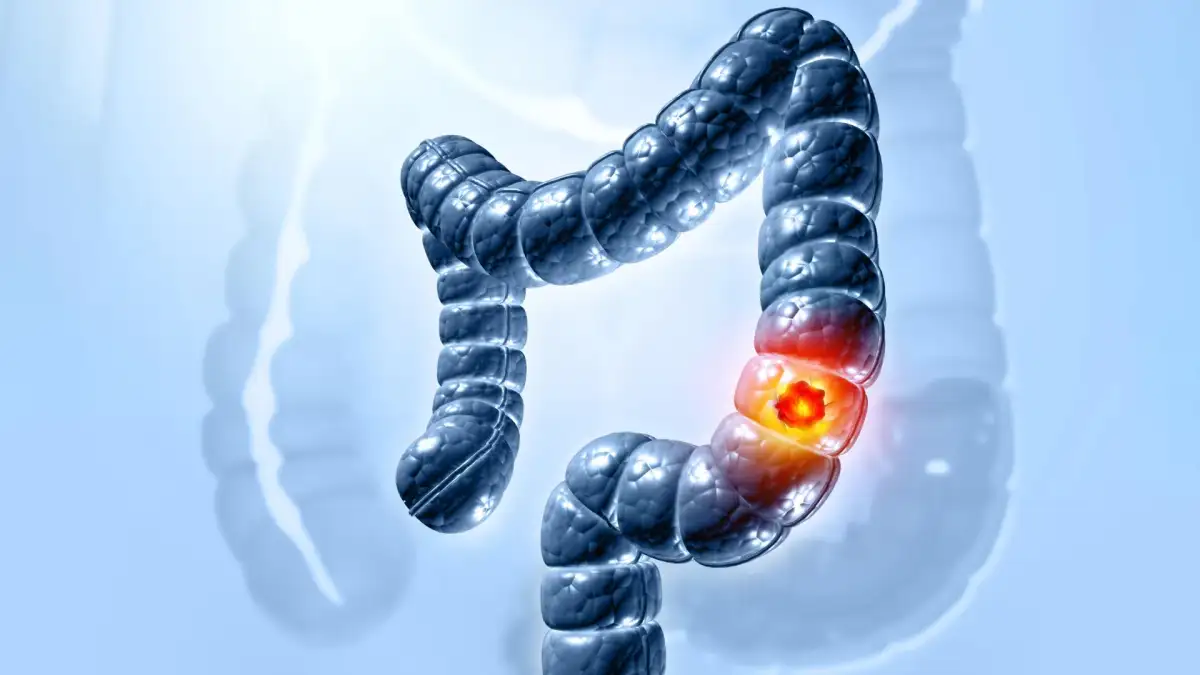
Researchers have zeroed in on a specific gut bacteria and a toxin it produces, colibactin, as a possible driver behind the disturbing increase in colon cancer rates among younger adults. This discovery offers a potential, albeit not definitive, explanation for a medical trend that has baffled scientists and alarmed medical professionals. Evidence suggests that exposure to colibactin, and the resulting DNA damage it can inflict, may be a significant factor, particularly in cases diagnosed at earlier ages.

While colibactin is present in an estimated 20 to 30 percent of the global population, the incidence of colibactin-related mutations appears markedly higher in early-onset colorectal cancers compared to those diagnosed later in life. Studies indicate these mutations were found to be approximately three times more prevalent in younger cancer patients. Furthermore, some observations suggest a disparity in the presence of these bacteria, with findings pointing to a lower prevalence in more rural areas.
Read More: RFK Jr. MAHA Movement Staff Loyalty High Amidst Policy Friction

A Mysterious Rise in Colon Cancer
The phenomenon of colon cancer, once predominantly seen in older demographics, is now increasingly affecting younger individuals. This shift has led to widespread concern and an urgent call for answers. Current data reveals that colon cancer is a leading cause of cancer-related deaths, yet a substantial portion, roughly one-third of cases, are detected only in their initial stages, highlighting a critical gap in early diagnosis. The alarm is amplified by findings from large international studies, such as one published in The Lancet Oncology, which have documented a clear upward trend in colorectal cancer diagnoses among younger populations.
Colibactin: The Suspect Toxin
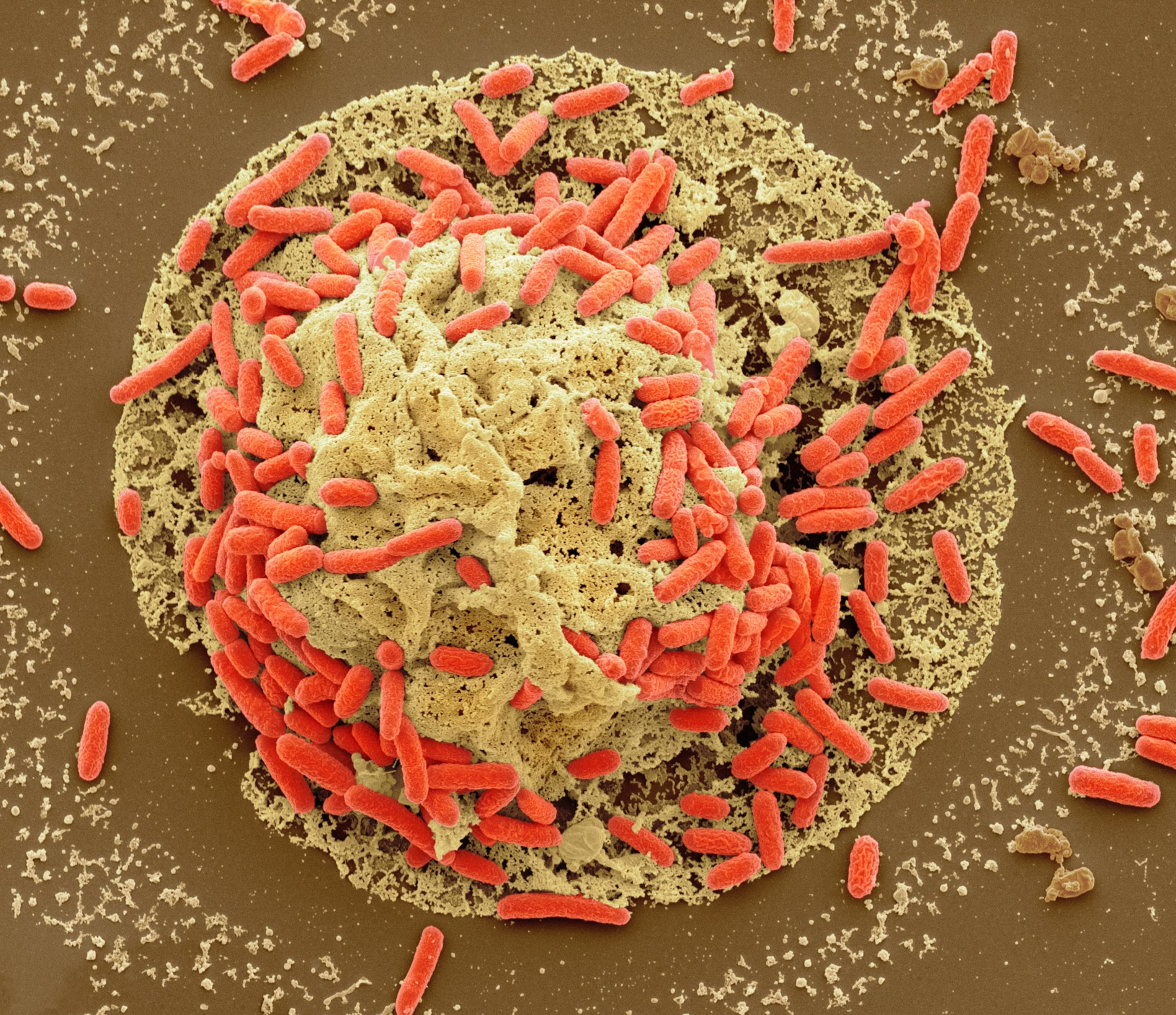
The bacteria Escherichia coli (E. coli) is one of the known producers of colibactin. This toxin is not believed to cause random DNA damage; instead, it targets specific DNA strands, potentially leading to the kind of mutations associated with cancer development. The identification of colibactin-related mutations in colon cancer patients, particularly those diagnosed young, provides a tangible link that was previously missing in understanding this growing public health challenge.
Read More: Kerala SparkHer Boot Camp Helps Women Scientists Start Businesses March 9-10
Unanswered Questions and Future Directions
Despite these promising leads, the exact role of colibactin remains a subject of ongoing investigation. It is not yet established whether colibactin is the sole cause of this rise or merely one among several contributing factors. Researchers are actively pursuing avenues to develop diagnostic tools, such as tests capable of detecting colibactin-induced mutations. The goal is to identify individuals who may have been exposed to the toxin earlier in life, possibly during childhood, and who might therefore be at an elevated risk for developing early-onset colorectal cancer.
Broader Context: Lifestyle and Environment
While the focus intensifies on colibactin, other established risk factors for colorectal cancer continue to be examined. Dietary habits and broader lifestyle choices are increasingly recognized as significant contributors to an individual's risk profile. The variability in access to screening programs across different regions also plays a role in the overall landscape of cancer diagnosis and management.
Read More: Sharon and Kelly Osbourne's Weight Loss Sparks Concern After Ozzy's Death
The current research emerges from studies analyzing bacterial samples from patients with bloodstream infections, including those with colon cancer, and broader analyses of gut bacteria from extensive cohorts of individuals, some of whom had colon cancer and others who did not. The insights gained from these investigations are crucial for understanding the complex interplay between our internal microbial environments and the development of serious diseases like colorectal cancer.