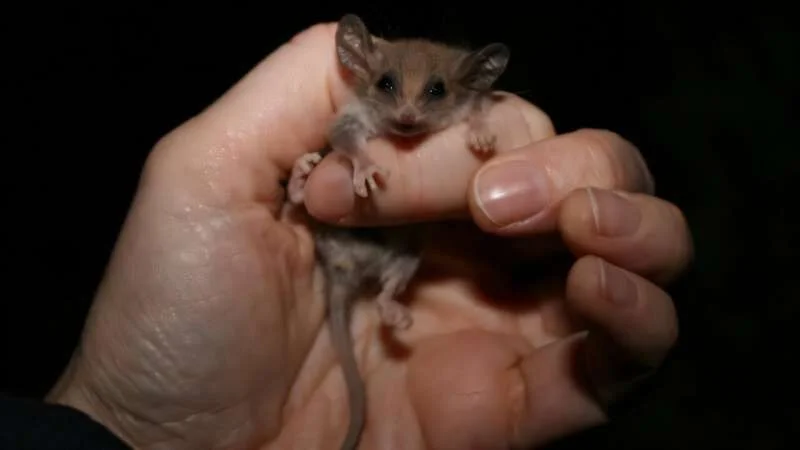
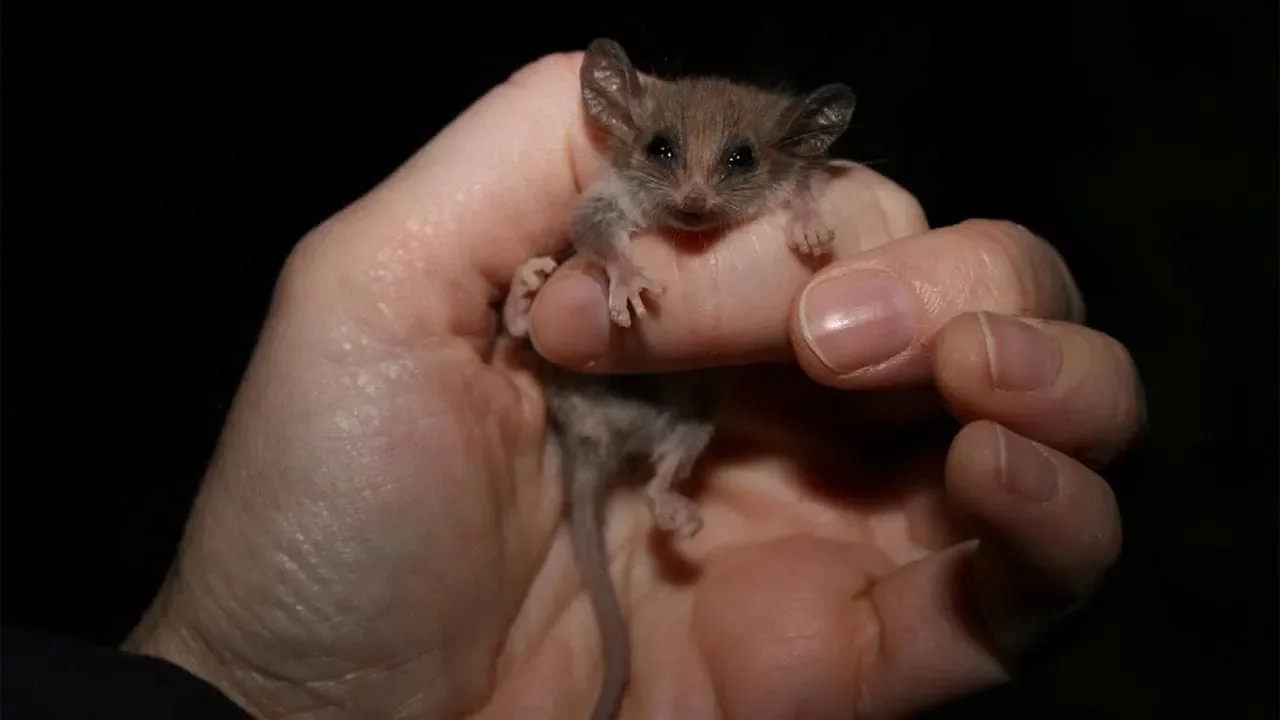
Recent research suggests the world's smallest possum, the Little Pygmy-Possum (Cercartetus lepidus), might be living on South Australia's Yorke Peninsula. This potential discovery, detailed in a study published in Australian Zoologist, could mean a significant range extension for a species previously thought to be found only in Tasmania, western Victoria, and parts of South Australia, including Kangaroo Island. If confirmed, this finding would necessitate a reassessment of the possum's conservation status and habitat management strategies.
New Evidence Suggests Range Expansion
For decades, the possibility of the Little Pygmy-Possum inhabiting the Yorke Peninsula has been unconfirmed. Researchers recently examined old evidence and found compelling signs that this tiny marsupial may indeed reside in Dhilba Guuranda–Innes National Park. This area is over 200 kilometers west of its closest known population on Kangaroo Island. No direct evidence, such as living animals or recent remains, had previously been recorded on the peninsula.
Read More: Orangutan Mothers Plan Playdates for Babies in Borneo
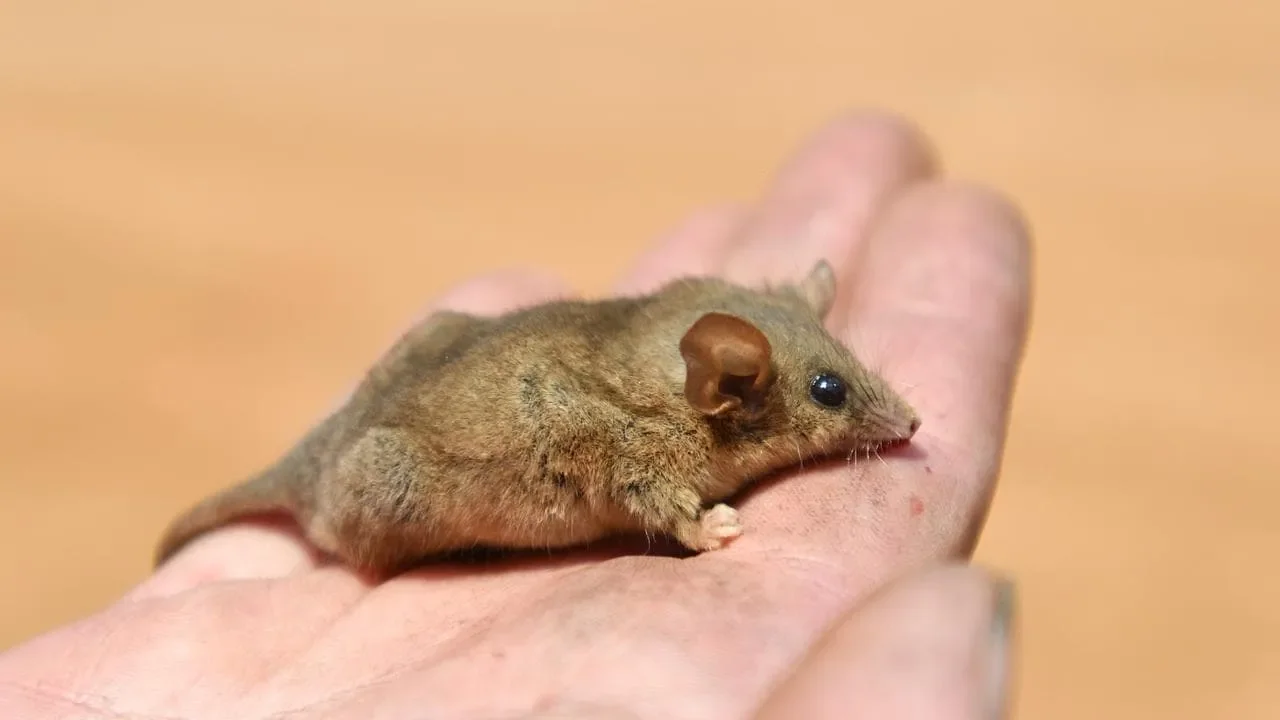
The key to this potential identification lies in distinct physical characteristics.
Little Pygmy-Possums possess gray ventral fur, a notable difference from the white ventral fur of the Western Pygmy-Possum.
The species are also distinguished by weight, with the Little Pygmy-Possum weighing between seven and ten grams, and the Western Pygmy-Possum averaging 13-14 grams.
Re-evaluation of Past Collections
A re-examination of older specimens has provided the compelling evidence supporting the presence of the Little Pygmy-Possum on the Yorke Peninsula. A study, based on unearthed evidence, indicates that possums previously collected in Dhilba Guuranda–Innes National Park may have been misidentified. Researchers suggest that the animals, now believed to be Little Pygmy-Possums, were likely mistaken for juvenile Western Pygmy-Possums. This misclassification may have occurred because the existence of a new species in the area was not anticipated.

The original research identified specific pitfall lines (Lines 2 and 13) within the park as the likely locations for these captures.
The exact timing of these captures is unknown, but the data points to specific areas where the individuals could have been found.
The study highlights that northern parts of South Australia are not included in the data because no records exist for those regions.
Conservation Concerns Emerge
The potential discovery of a Little Pygmy-Possum population on the Yorke Peninsula immediately raises concerns about habitat management, particularly regarding prescribed burning practices. This species is described as sensitive to disturbances in its vegetation.

Dr. [Expert Name, if available, otherwise refer to the study's authors] has recommended a review of prescribed burning schedules in Dhilba Guuranda–Innes National Park.
Ongoing prescribed burning could pose a threat to the habitat of this newly suspected population.
Further field surveys are planned with the hope of confirming the survival of Little Pygmy-Possums in the park.
Expert Analysis
Dr. Sarah Petit, a researcher involved in the study, has indicated the significance of the findings. The team's belief that they had previously mislabeled these possums underscores the importance of rigorous re-examination of scientific data. Petit's call for reassessment of burning programs signals a potential conflict between land management practices and the conservation needs of this rare marsupial.
Read More: Aboriginal Voters Turned Away From SA Polling Stations on Election Day
The identification of distinct fur coloration (gray versus white ventral fur) is a critical diagnostic feature.
The small size difference between the two pygmy possum species requires careful observation and potentially genetic analysis for definitive identification.
Implications and Future Steps
The possibility of the Little Pygmy-Possum inhabiting the Yorke Peninsula could redefine our understanding of its distribution and ecological needs. This finding necessitates careful consideration for its conservation.
Authorities are urged to urgently reassess prescribed burning programs within Dhilba Guuranda–Innes National Park.
Targeted field surveys are crucial to confirm the presence and extent of this population.
The study opens avenues for further research into the species' dispersal mechanisms and habitat requirements.
Sources
Phys.org: "Could the world's smallest possum be living on the Yorke Peninsula?" Published 14 hours ago. https://phys.org/news/2026-02-world-smallest-possum-yorke-peninsula.html
InDaily: "'No, that is definitely not a western pygmy possum': New species alert in Yorke Peninsula". Published 14 hours ago. https://www.indailysa.com.au/news/just-in/2026/02/16/no-that-is-definitely-not-a-western-pygmy-possum-new-species-alert-in-yorke-peninsula
AAP News: "Hello possum: scientists hopeful of pygmy population". Published 14 hours ago. https://aapnews.aap.com.au/news/hello-possum-scientists-hopeful-of-pygmy-population
ConnectSci: "Is the Little Pygmy-Possum Cercartetus lepidus extant on the Yorke Peninsula of South Australia?" Published Feb 6, 2026. https://connectsci.au/az/article/45/1/AZ25053/267843/Is-the-Little-Pygmy-Possum-Cercartetus-lepidus