First Minister Michelle O'Neill is under political pressure regarding her department's engagement with China, while parallel engagement with the United States president faces no similar challenge. Opposition figures have raised concerns about the nature of the Chinese regime versus the decision to bypass traditional White House events.
Current Political Landscape
During recent Assembly questions, Opposition leader Matthew O'Toole voiced his concerns directly to First Minister O'Neill. He highlighted a perceived disparity in how engagement with China and the US is handled.

O'Toole acknowledged O'Neill's stance on not attending White House events.
He noted that the SDLP leader Claire Hanna also indicated a similar abstention.
Last year, both the SDLP and the Alliance Party reportedly opted out of White House engagements.
Conversely, DUP ministers, including Deputy First Minister Emma Little-Pengelly, participated in those events.
"You’re still prepared to have the Economy Minister go to China, a regime that drips in blood, that crushes dissent, that is a humanitarian abuser, that oppresses Christians – you’re happy to have a member of your party shake the bloody hand of Beijing, but give false reasons why you won’t attend the White House?” — Matthew O'Toole
First Minister O'Neill stated that her reasons for not attending White House events mirror her position from the previous year.

Historical Context of US-China Relations
The broader relationship between the United States and China has been marked by periods of both cooperation and significant tension.
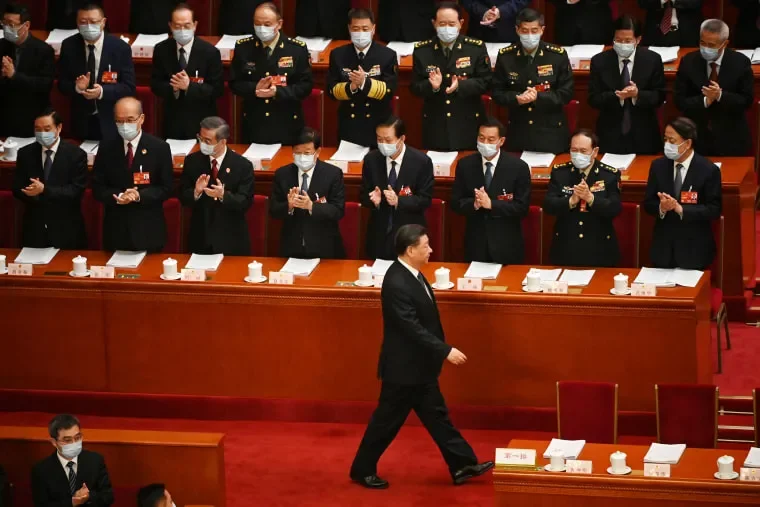
Past Engagement: The US engaged with China for approximately 50 years, a period that saw China become the world's largest trading nation. International media played a role in informing both domestic audiences and Chinese citizens about global affairs. The efficacy and wisdom of this engagement remain a subject of discussion.
Diplomatic Exchanges: Reports indicate fluctuating dynamics in communication, with instances where both nations claimed the other initiated discussions prior to meetings. For example, former President Trump and Chinese President Xi Jinping offered differing accounts of who initiated calls before key meetings.
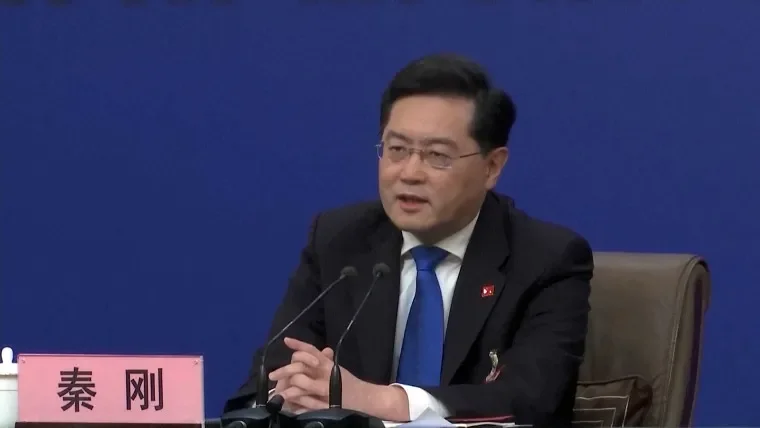
Points of Friction: China has warned that conflict with the US could be inevitable if the US does not alter its course. Specific flashpoints include US warnings against China supplying arms to Russia and China's stance on Taiwan, which it considers a core issue in its relationship with the US.
Suspended Cooperation: During the Biden administration, China announced the cancellation or suspension of numerous cooperative talks and areas of engagement with the US, including defense policy, counternarcotics, and climate change cooperation. Reports also indicated China turned down proposed meetings between defense chiefs.
Trade Dynamics: Tariffs have been a significant feature, with China imposing them as countermeasures to US tariffs on Chinese goods. Both countries have pursued industrial strategies with implications for global markets and resource acquisition.
Shifting Alliances and Security Concerns: Recent developments show the US considering arms sales to Taiwan and a renewed focus on regional security. China has also sought to increase the global role of its currency and has faced scrutiny over data security and potential threats to American national security from certain companies.
Perspectives on Engagement
The debate around engaging with China, particularly given its human rights record, contrasts with the standard diplomatic interactions with the US.
Criticisms of Engagement with China
Opposition figures like Matthew O'Toole have voiced strong objections to engagement with China, citing:
Allegations of human rights abuses, including the suppression of dissent and oppression of religious groups.
Characterization of the regime as one that "drips in blood."
The ethical implications of associating with such a government while abstaining from other diplomatic events.
Stance on White House Engagements
First Minister O'Neill's decision to forgo White House events is framed as a continuation of a previous policy.
The reasons cited are consistent with those provided in March of the previous year.
This abstention aligns with the positions of other political parties, such as the SDLP.
Nuances in US-China Relations
Analysis suggests that increased communication between the US and China does not necessarily equate to increased trust.
Read More: Taiwan Holds Nantou County Drills to Prepare for State Collapse
Despite more frequent dialogue, significant disagreements persist on numerous issues.
The relationship can exhibit periods of increased stability, yet fundamental differences remain unresolved.
Conclusion
The Northern Ireland First Minister faces a specific political challenge concerning engagement with China. This scrutiny stems from contrasting the perceived ethical concerns surrounding the Chinese government with the decision to disengage from traditional US presidential events. The underlying dynamics of US-China relations, characterized by both communication and contention, provide a backdrop to these domestic political deliberations. The evidence suggests a complex geopolitical environment where diplomatic engagement is nuanced and often subject to political interpretation.
Sources:
The Standard: First Minister questioned over engagement with China, but not US president
https://www.standard.co.uk/news/uk/white-house-first-minister-china-president-b1271237.html
AP News: Before US-China meeting, nations each say the other wanted talks
https://apnews.com/article/china-united-states-trump-xi-jinping-diplomacy-3d476906422ba9749641c82979f67c28
NBC News: China warns conflict is inevitable unless U.S. changes course
https://www.nbcnews.com/news/world/conflict-china-us-inevitable-new-foreign-minister-warns-rcna73705
China Briefing News: US-China Relations in the Biden-Era: A Timeline
https://www.china-briefing.com/news/us-china-relations-in-the-biden-era-a-timeline
Financial Times: US-China relations
Business Insider: The US and China are engaging more. But that doesn't mean they trust each other more, an analyst says.
https://www.businessinsider.com/us-china-relations-more-engagement-not-more-trust-taiwan-clash-2024-4
Ministry of Foreign Affairs of the People's Republic of China: An Overview of the Meeting Between Chinese and US Presidents in Lima by Foreign Ministry Spokesperson
https://www.mfa.gov.cn/eng/xw/fyrbt/202411/t2024111711527715.html