Senate Majority Leader Chuck Schumer has announced the Senate will take up a vote on 'war powers' resolutions next week. The move signals a potential legislative challenge to presidential authority in authorizing military actions abroad.
The precise nature of the 'war powers' resolutions remains somewhat indistinct, with various proposals circulating. This action follows a period of heightened scrutiny over the executive branch's deployment of armed forces without explicit congressional approval. Schumer's statement suggests a unified Senate push, irrespective of partisan lines, to reassert congressional prerogthoods in matters of war.
The decision to schedule a vote indicates a shift in legislative momentum around the issue. For some time, these resolutions have languished, facing procedural hurdles and divided opinion. Schumer's intervention appears intended to force a decision, compelling senators to take a definitive stance on the scope of presidential war-making powers.
Read More: Taiwan Holds Nantou County Drills to Prepare for State Collapse
Background and Context
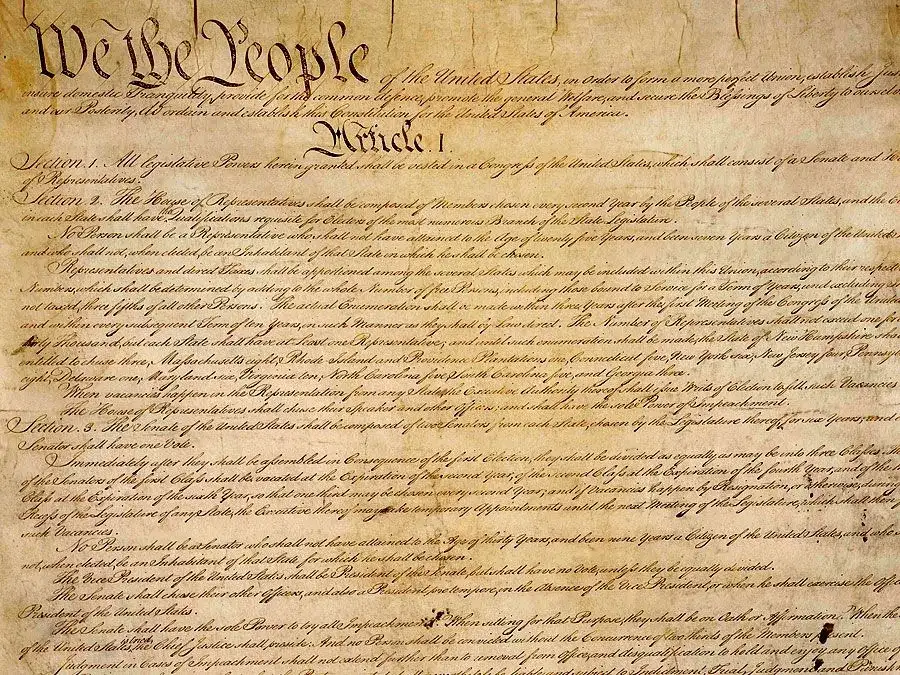
The debate over 'war powers' is not new. It traces its roots to the War Powers Resolution of 1973, enacted to curb presidential authority after the Vietnam War. This resolution requires presidents to notify Congress within 48 hours of committing armed forces to military action and limits the duration of U.S. military engagement abroad to 60 days unless Congress declares war or grants an authorization for use of military force.
Recent geopolitical events and ongoing military engagements have brought renewed attention to this long-standing tension between the executive and legislative branches. Lawmakers from across the political spectrum have expressed concerns about what they perceive as an overreach of presidential power, particularly in contexts where formal declarations of war are absent. This impending Senate vote is thus situated within a larger, ongoing discourse about the balance of power in foreign policy and national security decisions.
Read More: Trump Directive May Cut 8,000 Federal Jobs After House Vote