Senate Republicans are navigating a complex legislative landscape, with the much-discussed SAVE America Act at its core. While proponents tout it as a critical measure for election integrity, including demands for proof of citizenship and voter identification, the debate within the chamber and beyond reveals a fractured focus and a questioning public reception.

The legislative push for the SAVE America Act, aimed at overhauling national election standards, is unfolding against a backdrop of broader Republican priorities. Senate leadership has indicated that Saturday's agenda includes not just the SAVE America Act, but also "multiple conservative priorities" and "Trump-backed policies," effectively packaging various agenda items to generate momentum. This strategic bundling, according to some reports, is an effort to maximize political impact and address what is described as public demand for action. The inclusion of provisions like voter ID requirements and proof of citizenship for registration forms the crux of the legislation, which has already seen significant debate and pressure from various factions.
Read More: Taiwan Holds Nantou County Drills to Prepare for State Collapse
A Multi-Faceted Saturday Vote
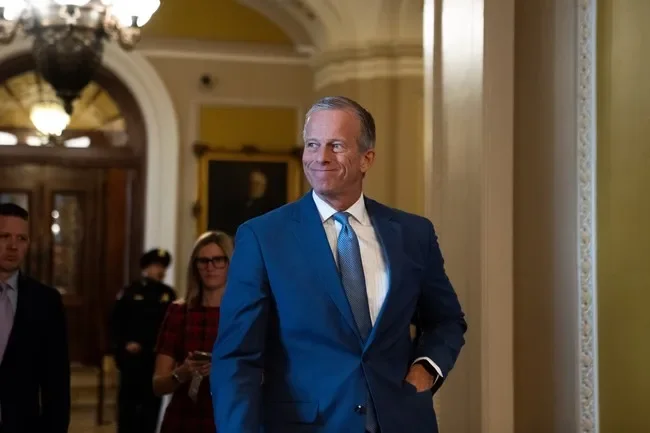
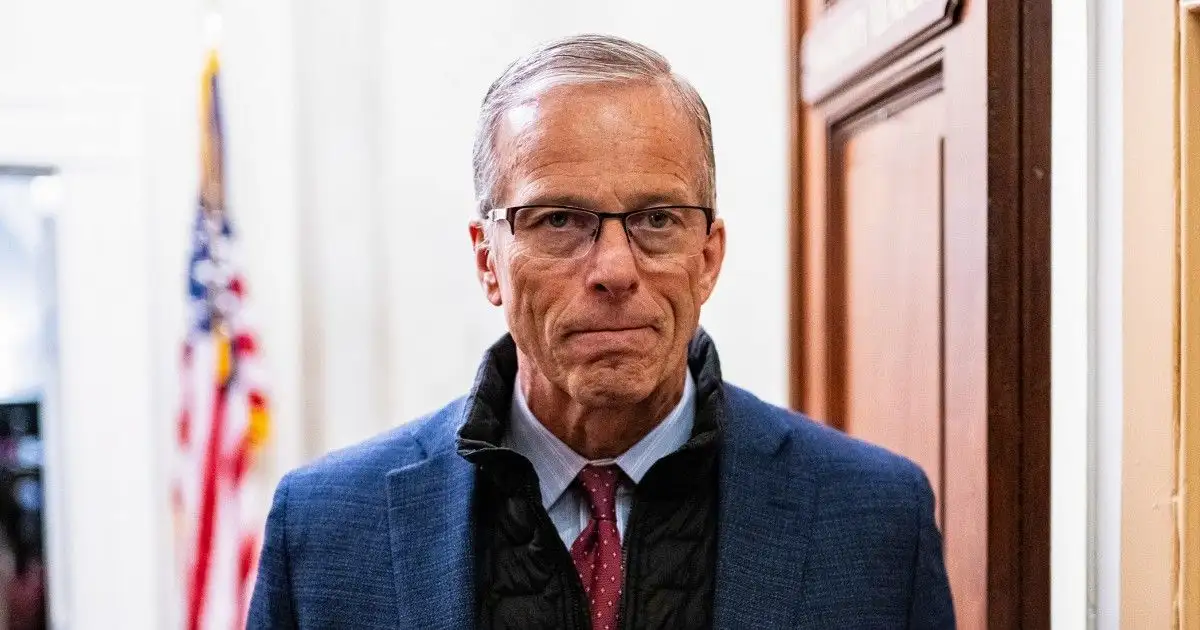
Senate Majority Leader John Thune outlined a packed voting schedule for Saturday, emphasizing that the day's proceedings extend beyond the SAVE America Act. This includes putting Democrats on record regarding several policy areas, effectively using the legislative process to highlight partisan differences.
The SAVE America Act itself, centered on 'election integrity,' remains a focal point.
Its core provisions include mandating proof of citizenship for voter registration and requiring identification at the polls.
This strategy appears designed to force Democrats into defending their positions on these measures.
Public Indifference and Internal Skepticism
Despite the intense focus from its champions, the SAVE America Act faces a less enthusiastic response from the broader public, and even within Republican ranks, concerns about its viability and appeal persist.
Polling data suggests that the issue of noncitizen voting, a key concern cited by supporters, is not viewed as a widespread problem by most Americans, including many Republicans. The legislation's complexity, extending beyond simple voter ID, further complicates its public perception.
A significant portion of Americans, and even some Republicans, express lukewarm or indifferent attitudes toward the SAVE America Act.
Specific provisions beyond voter ID, such as proof of citizenship for registration, are met with less widespread affirmation.
Some Republicans have voiced concerns that the bill's current form might be counterproductive, suggesting a more focused approach on widely supported elements like voter ID could be more effective.
Pressure and Procedure
The path of the SAVE America Act through the Senate has been marked by considerable pressure from former President Trump and his allies, who are pushing for its passage and seeking to prolong debate to expose Democratic opposition.
Read More: Aboriginal Voters Turned Away From SA Polling Stations on Election Day
Allies of Donald Trump are reportedly orchestrating a strategy to keep the bill on the Senate floor for extended periods, aiming for what they term a "talking filibuster" that forces Democrats to articulate their objections.
The 60-vote threshold required to overcome a filibuster presents a significant hurdle, as Senate Republicans, holding a slim majority, lack the votes to pass the legislation without Democratic support or a rule change.
Trump himself has issued statements indicating he would not sign any legislation until the SAVE America Act is enacted, amplifying the pressure on Senate leadership.
Underlying Tensions and Broader Implications
The legislative maneuvering around the SAVE America Act is taking place less than eight months before the November midterm elections, raising questions about its potential impact on Republican electoral prospects.
Senate Democrats have pledged strong opposition, framing the bill as an act of "voter suppression."
Some Republicans have privately expressed reservations about the bill, with figures like Mitch McConnell reportedly voting to proceed as a courtesy while withholding personal support.
The House of Representatives has passed its own version of the bill, and some House Republicans have issued ultimatums, linking their support for Senate legislation to action on the SAVE America Act.
The debate over the Safeguard American Voter Eligibility (SAVE America) Act, as it is formally known, represents a continuation of efforts to alter voter registration and identification requirements nationwide. This iteration of the bill has been in legislative circulation for some time, reflecting an ongoing conservative push for stricter election protocols. The legislative outcome remains uncertain, contingent on navigating procedural challenges and resolving internal party divisions, all under the watchful eye of a public seemingly more disengaged than its most vocal political advocates.