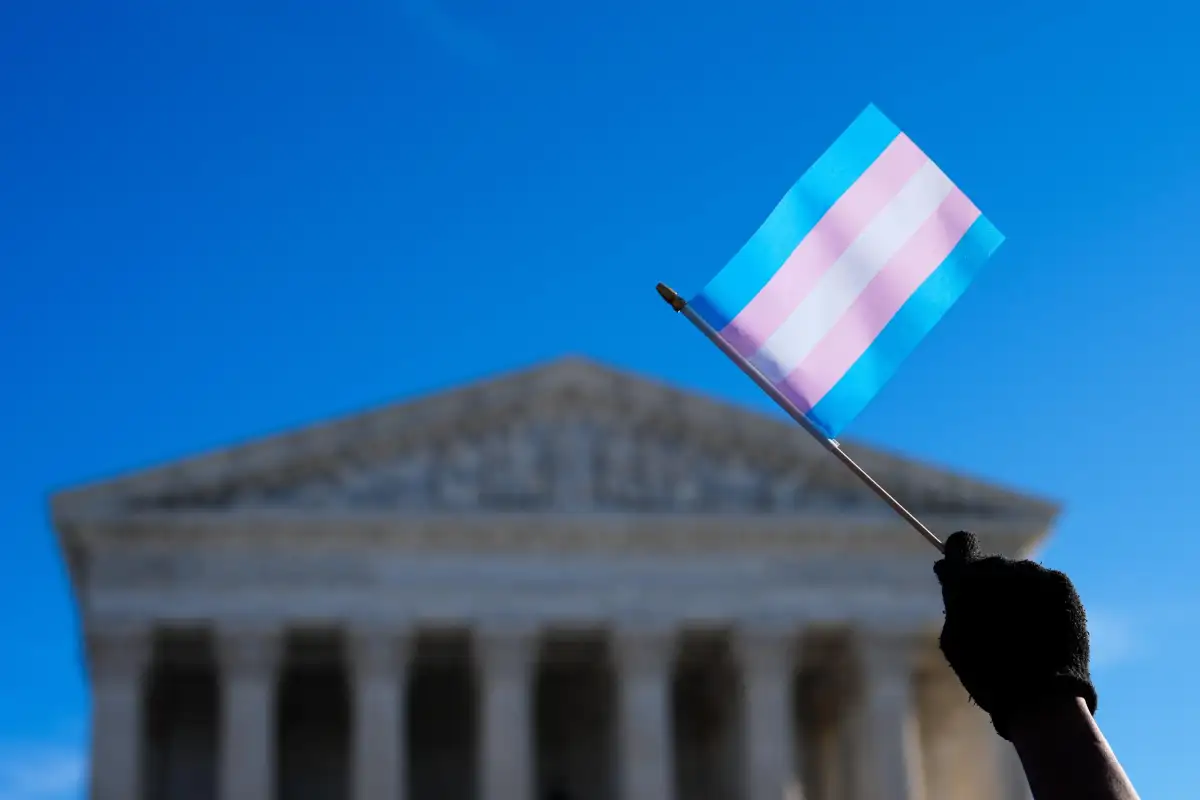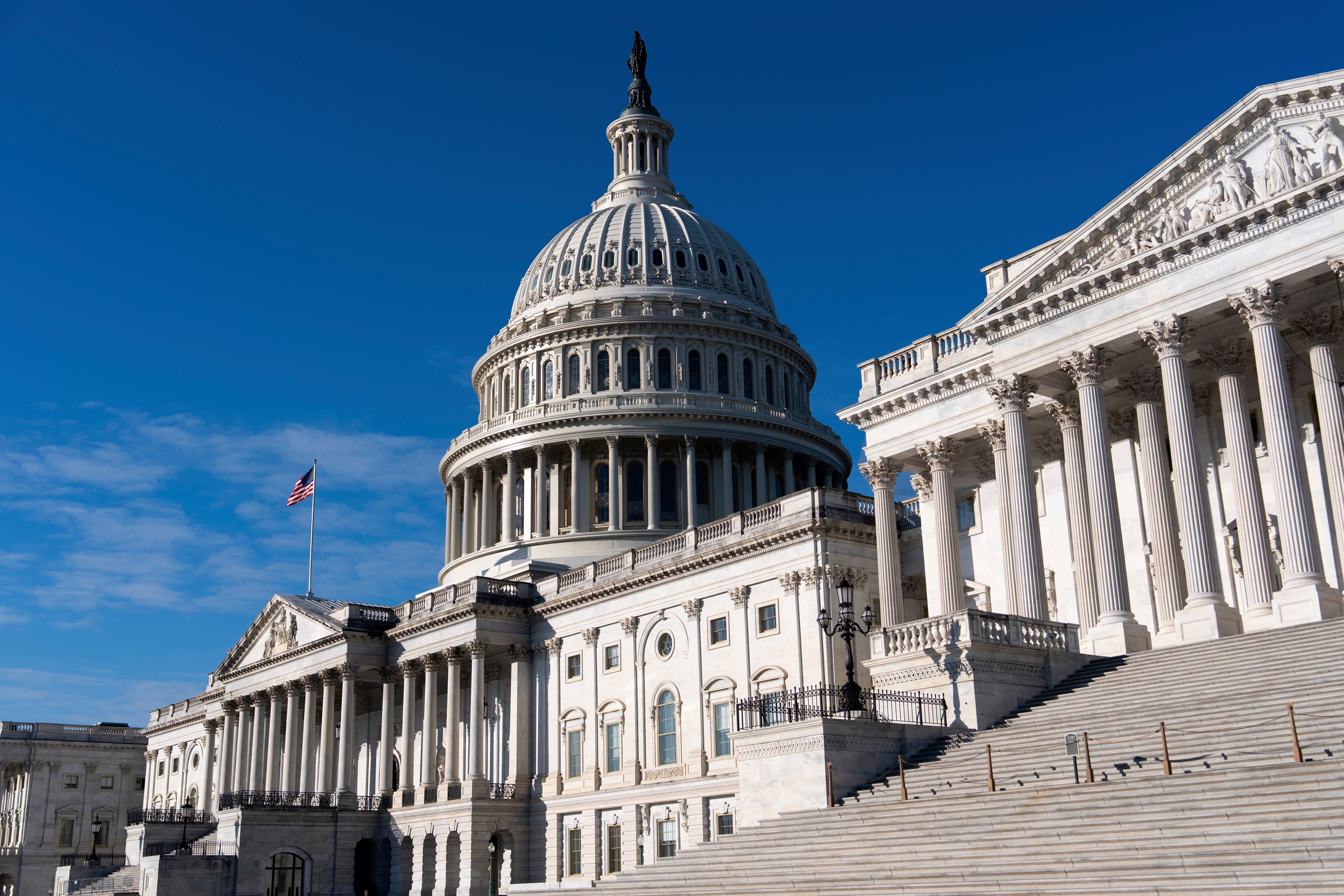
The Senate decisively shut down a Republican effort to prohibit transgender women and girls from competing in female sports. The measure, appended to a broader voter identification bill, failed to gain the necessary 60 votes to advance, succumbing to a near-unanimous Democratic opposition. The Republican proposal also sought to criminalize gender transition treatments for minors, an initiative entirely separate from the voter ID legislation's stated purpose. This legislative maneuver, aimed at forcing Democrats into a defensive stance ahead of upcoming midterm elections, underscores a recurring theme in political discourse.

Voting Divide Reflects Broader Political Fault Lines
The vote, which saw a near party-line split, highlights the deepening chasm in legislative priorities. Senate Republicans, pushing to align with a platform championed by President Trump, attempted to insert provisions targeting transgender individuals into a bill he had identified as a key legislative objective. The proposed amendments, which included barring transgender women from women's and girls' sports and criminalizing medical care for transgender minors, were ultimately unsuccessful in garnering sufficient bipartisan support.
Read More: Taiwan Holds Nantou County Drills to Prepare for State Collapse

The political gambit aimed to leverage the issue of transgender athletes and youth medical care to galvanize voters and potentially influence election outcomes. Polls indicate a segment of the public favors restrictions on transgender participation in sports and medical interventions for minors. However, the legislative strategy encountered significant headwinds in the Senate.
Background Noise of the Culture Wars
This Senate vote is part of a broader, ongoing engagement with issues surrounding LGBTQ+ rights, particularly concerning transgender individuals. The attempts to legislate restrictions on transgender athletes have been a persistent feature in both state and federal arenas. Prior legislative efforts, including similar bills passed by the House, have faced similar resistance in the Senate.
The broader context includes ongoing legal challenges and departmental actions related to Title IX compliance and federal funding for educational institutions. The Department of Education has previously issued directives and initiated investigations concerning policies on transgender student athletes, sparking counter-actions from state systems and legal advocacy groups. These developments illustrate a protracted debate over the definition of gender, fairness in sports, and the scope of civil rights protections.
Read More: WNBA Players Face Online Harassment Increases in April 2026