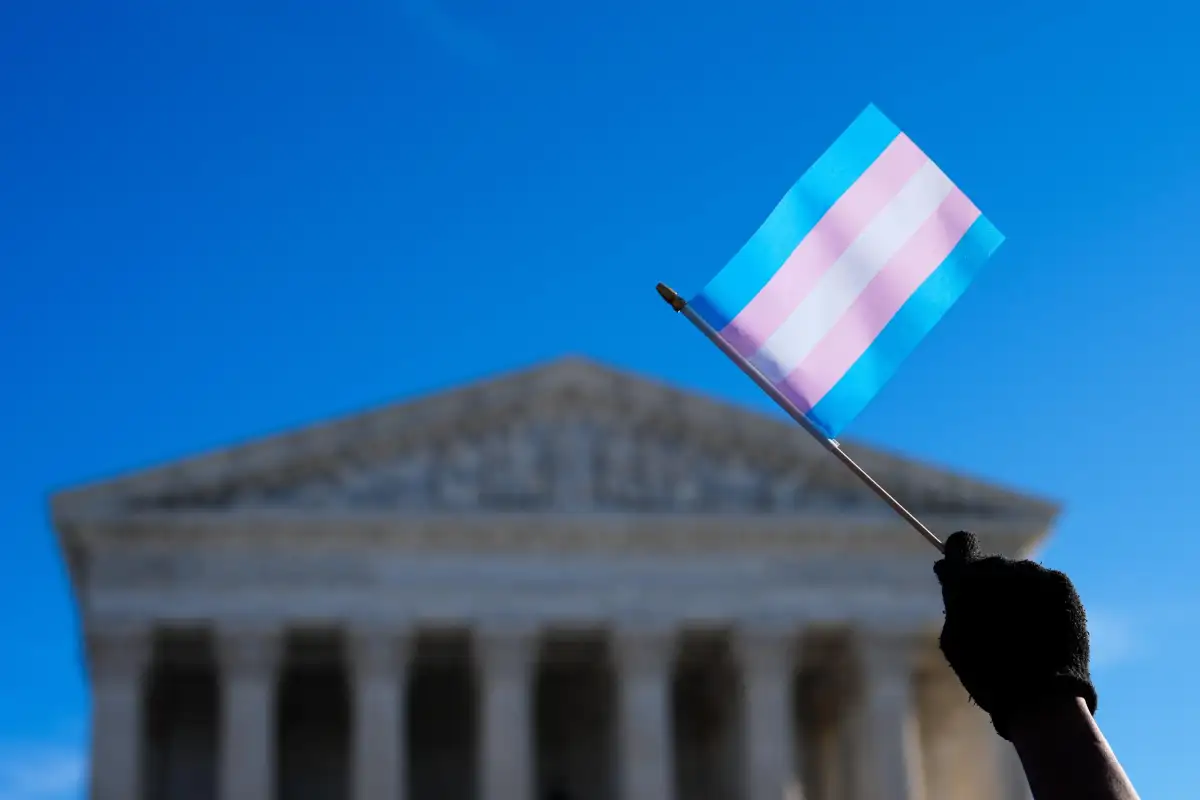
The Supreme Court of the United States issued a 6-3 decision on June 30, 2026, affirming that states may constitutionally bar transgender girls and women from participating in female school sports. The ruling, which focused on statutes in West Virginia and Idaho, establishes that such restrictions do not violate the Equal Protection Clause or Title IX, the federal statute prohibiting sex-based discrimination in educational programs.
The ruling provides a legal baseline allowing, but not requiring, state-level bans.
Strategic Litigation Expands
Following the high court’s mandate, conservative advocacy groups are intensifying pressure on jurisdictions that maintain inclusive sports policies.
Defending Education filed a formal complaint on July 2, 2026, against the California athletic association and two school districts, challenging the inclusion of transgender girls in female locker rooms and teams.
The Alliance Defending Freedom initiated litigation in Washington state regarding a specific incident involving a teenage wrestler, citing allegations of misconduct during a tournament.
Federal policy remains aligned with the restriction movement; an executive order signed by President Trump last year mandates the withdrawal of federal funding from institutions that permit transgender participation in women’s sports.
Fragmented State Landscapes
The national policy landscape remains jagged, as state authority to regulate these sports remains distinct from federal obligation.
| Status | Approach |
|---|---|
| Red States | 30 states currently enforce restrictive sports mandates (Movement Advancement Project). |
| Blue States | States like Illinois explicitly maintain policies allowing participation based on gender identity, citing that the Supreme Court decision does not compel a policy reversal. |
Background: The Conflict
The Court’s ruling addressed two primary cases: Becky Pepper-Jackson (West Virginia) and Lindsay Hecox (Idaho). In the case of Pepper-Jackson, attorneys argued that gender-affirming treatment rendered the participant's physical profile distinct from male-puberty development, though the Court declined to overturn the state’s blanket prohibition.
Read More: Judge Reyes halts East Potomac Golf site work until April 21 2026
While proponents of the bans cite fairness and the protection of biological categories in sports, advocacy groups emphasize that the decision does not constitute a total erasure of Title IX protections for transgender students. The ruling is specific to sports eligibility, leaving the broader constitutional status of transgender identity as a continuing, unresolved friction point in American administrative law.