The Cricket Australia (CA) hierarchy has secured a preliminary agreement with the Board of Control for Cricket in India (BCCI) to host the opening match of the 2026/27 Big Bash League (BBL) in Chennai. The Brisbane Heat have publicly offered to participate in the inaugural offshore fixture at the M.A. Chidambaram Stadium, joining interest from other franchises including the Sydney Thunder and the two Melbourne clubs.
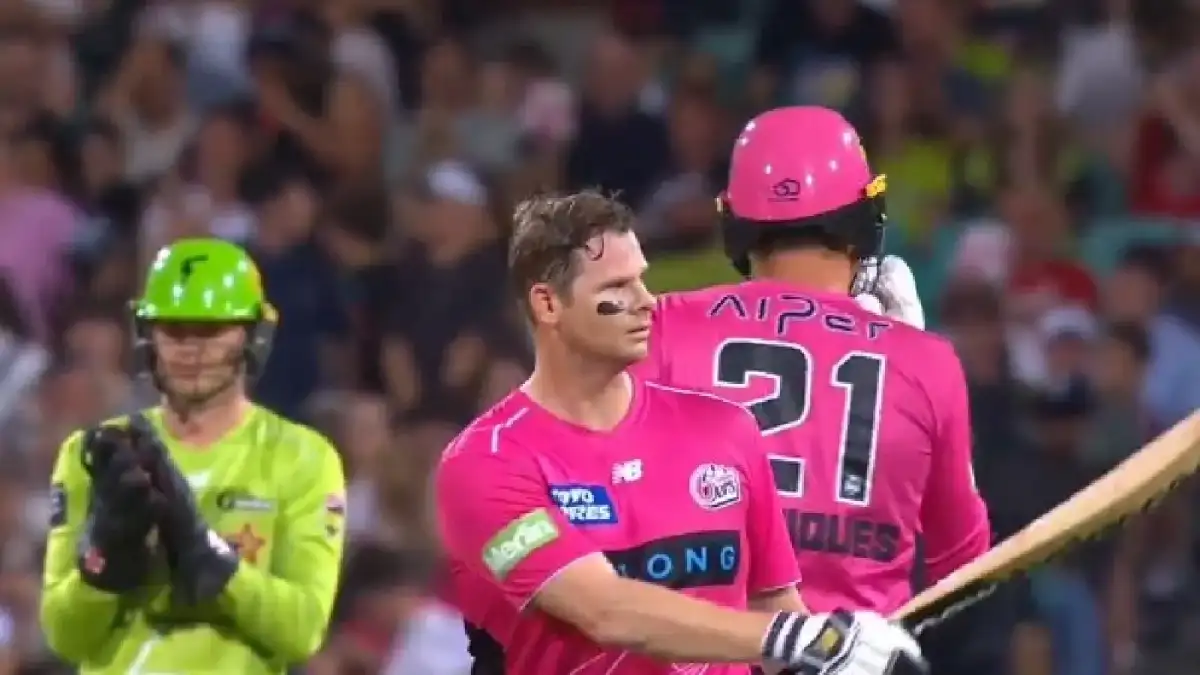
The move signals a strategic shift to expand the league's footprint into the Indian market, coinciding with ongoing efforts to privatize individual BBL clubs.

Strategic Intent and Logistics
Market Penetration: CA is actively attempting to increase the league's global relevance by leveraging the high concentration of interest in cricket within India.
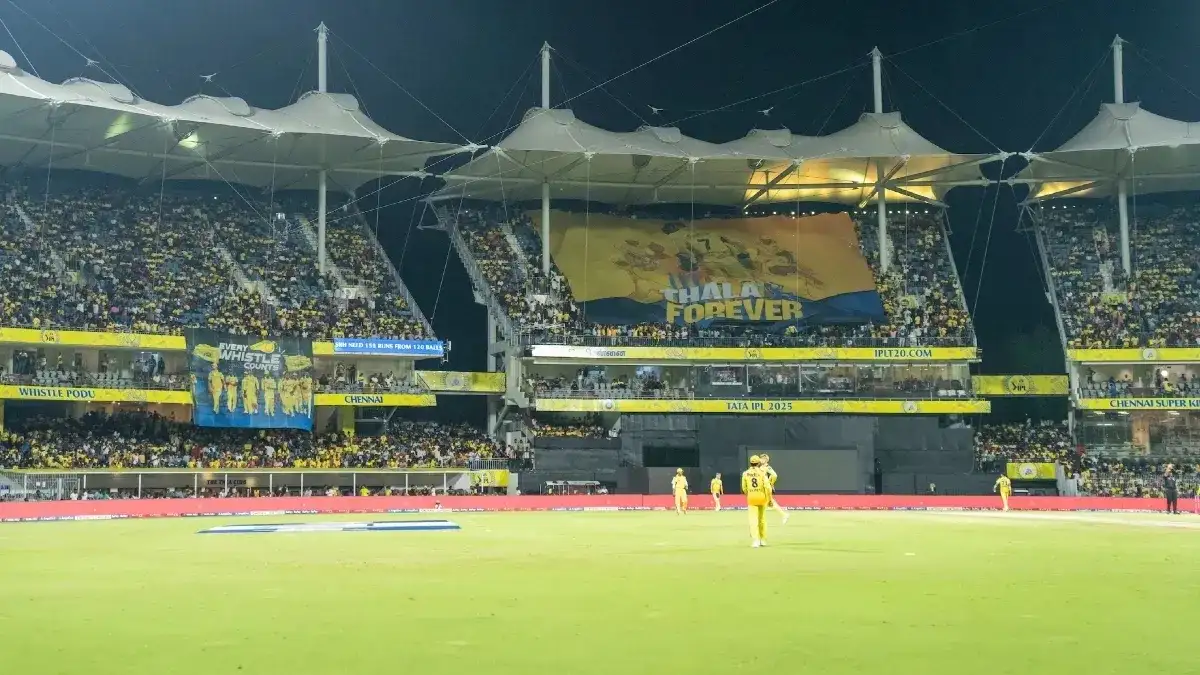
Venue Concerns: The M.A. Chidambaram Stadium—commonly known as the Chepauk—is the preferred site, despite climate challenges regarding the regional monsoon season in December.
Franchise Logistics: Several teams have expressed a preference to play the fixture as the 'away' side to avoid the loss of a scheduled home game within the Australian season.
Administrative Ties: A five-member Cricket Australia delegation attended an IPL match in Chennai on May 18, 2026, to conduct a venue assessment.
Commercial Context
This development follows a broader, high-level evaluation of the league’s economic structure commissioned by CA via the Boston Consulting Group. The organization is currently exploring the sale of minority stakes in clubs to outside investors. The potential for future growth includes long-term ambitions to integrate Indian-owned franchises into the domestic system.
Read More: Australia T20 Cricket Team Success Ignored by Media
Market Signaling
The shift toward an international season opener mirrors recent efforts by other sports leagues to secure global audience share through high-profile events staged in lucrative foreign markets. By seeking alignment with the BCCI and the Tamil Nadu Cricket Association (TNCA), Cricket Australia is signaling a departure from its historically insular operational model.

Reflective Note: The sustainability of this model remains contingent on franchise buy-in and the resolution of travel and scheduling logistics between the two regions, which currently involve significant transit times.