A Fight for Safety or a Fight Against Rights? The Court of Session Erupts in Debate
The air in Scotland's Court of Session crackled with accusations this week as For Women Scotland (FWS), a campaign group, launched a blistering legal challenge against the Scottish government's policy on housing transgender prisoners. At the heart of the dispute lies a question that cuts to the bone of justice and rights: are vulnerable women in Scotland's prisons being treated as expendable "pawns" in a political game, their safety compromised for the sake of a policy that, according to FWS, flies in the face of a landmark Supreme Court ruling?
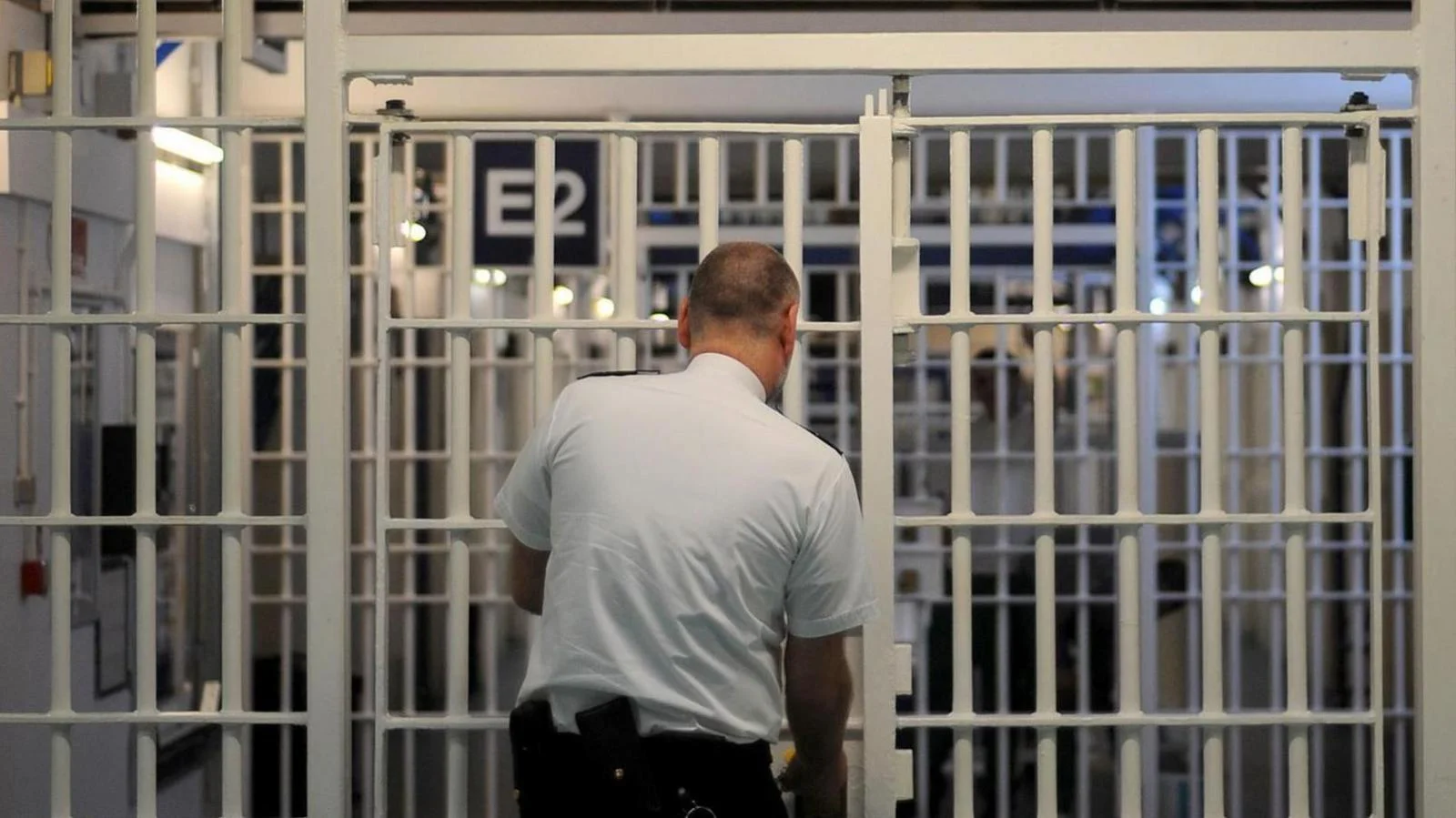
The legal battle, unfolding in Edinburgh, centers on guidance from the Scottish Prison Service (SPS) that allows transgender inmates to be housed in prisons according to their gender identity, with individual risk assessments guiding placement. FWS, however, argues this policy is not only unlawful but actively harms women prisoners, particularly in light of the UK Supreme Court's definitive ruling last year that, under the Equality Act, "woman" refers to biological sex. This isn't just about abstract legal definitions; it's about who gets to feel safe within prison walls.
Read More: People Talk About Keir Starmer's Job as Labour Leader
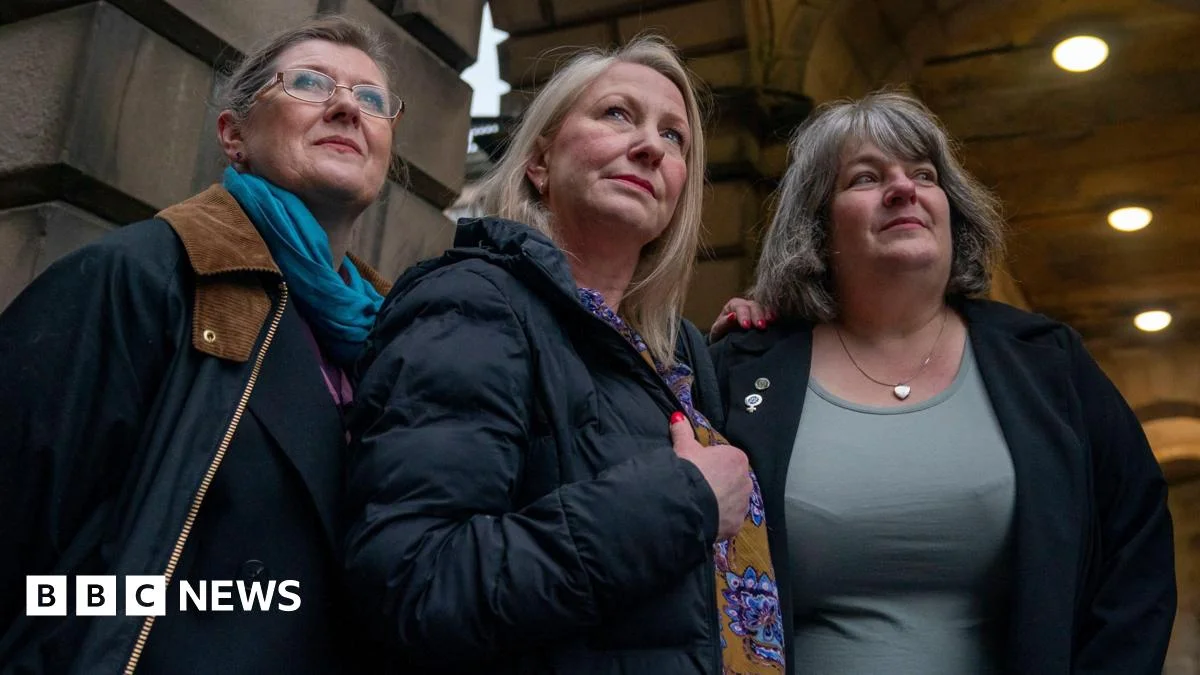
"Women are being psychologically manipulated," stated Aidan O'Neill KC, representing FWS in court. He further argued that the government's defense of the policy in court is "political grounds" rather than based on sound legal or human rights precedent, suggesting a deeply troubling prioritization.
The Supreme Court's Echo: What Does "Woman" Truly Mean in Law?
The foundation of this current legal challenge rests heavily on the UK Supreme Court's decision in April of last year. This pivotal ruling clarified the definition of "woman" within the Equality Act 2010, stating it refers to biological sex. For Women Scotland seizes upon this, arguing that the Scottish government's prison policy directly contradicts this legal clarity by permitting individuals with male biological sex, who identify as women, to be housed in women's prisons.
Supreme Court Ruling (April 2023): Defined "woman" under the Equality Act 2010 as referring to biological sex.
For Women Scotland's Argument: The current SPS policy violates this ruling by allowing transgender women (biological males) into women's facilities.
Government's Stance: The government maintains that adhering strictly to biological sex for all transgender prisoners "would violate the rights of some prisoners" and could "give rise to an unacceptable risk of harm."
Read More: Trump Disagrees with Federalist Society, Judge Stops His Courtroom Talk
This stark contrast in interpretation begs a critical question: If the highest court has spoken, why does the Scottish government persist with a policy that FWS deems a clear violation of that ruling? Are they genuinely protecting transgender rights, or are they engaging in a dangerous game of political appeasement?
The Shadow of Isla Bryson: A Precedent of Controversy
The legal debate is undeniably shadowed by the high-profile case of Isla Bryson (formerly Adam Graham), a transgender woman convicted of sex attacks on two women in 2023. Bryson was initially housed in Cornton Vale, Scotland's only all-female prison, before a public outcry led to her transfer to a male facility. This incident, more than any abstract legal argument, laid bare the anxieties of many about the practical implications of trans prisoner policy.
Read More: Pam Bondi Questioned About Epstein Files at Government Hearing
Isla Bryson Conviction: Sex attacks on two women in 2023.
Initial Placement: Cornton Vale women's prison.
Public Reaction: Significant controversy and outcry.
Subsequent Transfer: Moved to a male prison facility.
This incident amplified the concerns of groups like FWS, who argue that policies prioritizing gender identity over biological sex in prisons, particularly for individuals convicted of violent crimes, pose an unacceptable risk to cisgender women inmates. It raises the unsettling question: Is the government learning from past controversies, or are they repeating the same mistakes, using women's safety as a bargaining chip?

"Orwellian" Accusations and the "Pawns" in the System
The language used in court by FWS's legal team was nothing short of damning. Aidan O'Neill KC described the government's policy as "Orwellian" and characterized the situation as one where "women are being treated as pawns for political gain." He painted a stark picture of biological men, some convicted of heinous crimes like murder, torture, and assault, being housed in women's prisons, while women prisoners are forced to bear the cost of allowing transgender inmates to live out their chosen identities.
Read More: Lawmakers Question Attorney General Bondi on Epstein Files
"Why is it women have to bear the cost of allowing trans-identifying male prisoners to live out their chosen identity?" O'Neill questioned.
The statistics presented further fuel this argument:

| Category | Total Trans Prisoners in Scotland (Since 2014) | Housed in Estates Not Matching Biological Sex |
|---|---|---|
| Trans Women | 51 | 14 housed in women's prisons |
| Trans Men | 22 | 3 housed in male prisons |
| Overall | ~73 | ~20% |
FWS contends that the fact that roughly 80% of transgender prisoners are already housed in facilities aligning with their biological sex demonstrates that it is entirely feasible to respect transgender rights without compromising the safety and integrity of women's prison estates. This leads to a crucial probe: If the government can accommodate the vast majority of trans prisoners according to their biological sex without legal conflict, why is the focus of the debate on the remaining 20% being housed in women's facilities, and why is this policy so fiercely defended?
A Government Under Siege: Political Motivation or Genuine Protection?
The Scottish government's defense hinges on the argument that mandatory segregation by biological sex would infringe upon the human rights of transgender prisoners. They express "well-founded concern" that such a rigid approach could lead to an "unacceptable risk of harm" to these individuals. This stance, however, is precisely what FWS disputes, arguing that the policy disproportionately risks harm to women prisoners.
Read More: Supreme Court Asks Filmmaker About Film Title 'Ghooskhor Pandat'
Government's Rationale: Protecting transgender prisoners' rights; avoiding unacceptable risks of harm to them.
FWS's Counter-Argument: The current policy risks harm to cisgender women prisoners; there is no European Court of Human Rights ruling supporting the SPS policy.
The core of the government's strategy appears to be a balancing act between competing rights and safety concerns. But the question remains: is this balance truly being struck, or is one group's rights being systematically undervalued? The timing of this legal challenge, following intense public scrutiny and amidst a broader societal debate on gender identity, raises the uncomfortable possibility that the government's policy is driven as much by political calculation as by genuine conviction. Are they truly champions of inclusivity, or are they wielding transgender rights as a shield against accusations of transphobia, while potentially sacrificing the safety of incarcerated women?
The Road Ahead: Justice, Safety, and the Definition of Equality
As the Court of Session deliberates, the stakes are incredibly high. This case is not merely about the placement of a handful of prisoners; it's about the legal definition of womanhood, the practical application of equality law, and the fundamental right to safety for all individuals within the penal system.
Read More: Congress Leader Accuses Finance Minister of Lying to Parliament About WTO Deal
The Legal Question: Does the current SPS policy on transgender prisoner housing align with the UK Supreme Court's definition of "woman" under the Equality Act?
The Safety Question: Does the policy adequately protect vulnerable cisgender women prisoners from potential harm?
The Political Question: Is the Scottish government's defense of the policy driven by legal merit or political expediency?
For Women Scotland is demanding that the court order ministers to abandon the current policy. The outcome of this legal battle will have far-reaching implications, potentially reshaping not only prison policy in Scotland but also contributing to the ongoing, often contentious, national conversation about gender identity, women's rights, and the very meaning of equality in practice. The women in Scotland's prisons are watching, and the nation is waiting to see if justice will truly be served, or if they will continue to be treated as mere pawns in a larger, political game.
Read More: Pam Bondi Questioned on Epstein Files and Justice Department
Sources:
Sky News: https://news.sky.com/story/woman-prisoners-traded-as-pawns-for-political-gain-by-orwellian-scottish-government-policy-court-told-13502710
The Independent: https://www.independent.co.uk/news/uk/home-news/court-of-session-supreme-court-scottish-scottish-government-stirling-b2913063.html
The Herald: https://www.heraldscotland.com/news/25821549.women-treated-political-pawns-trans-prison-row/
Britbrief: https://britbrief.co.uk/politics/liberties/court-hears-women-prisoners-treated-as-political-pawns.html
Scottish Daily Express: https://www.scottishdailyexpress.co.uk/news/scottish-news/orwellian-snp-government-policy-sees-36664311