


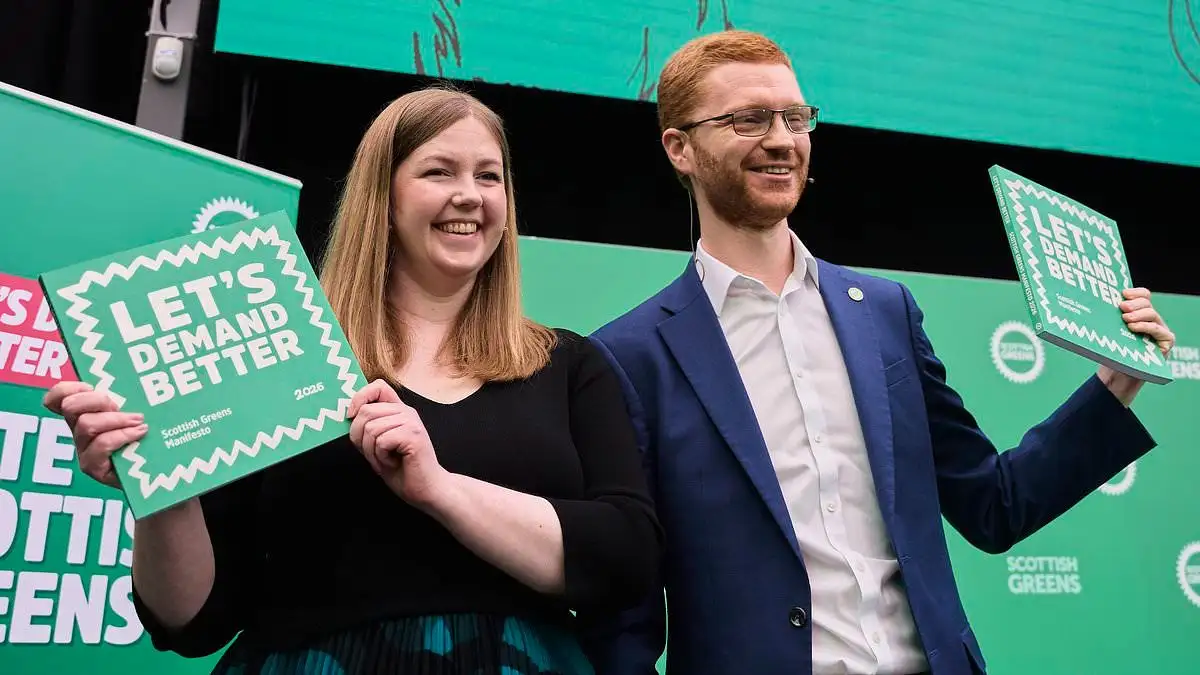
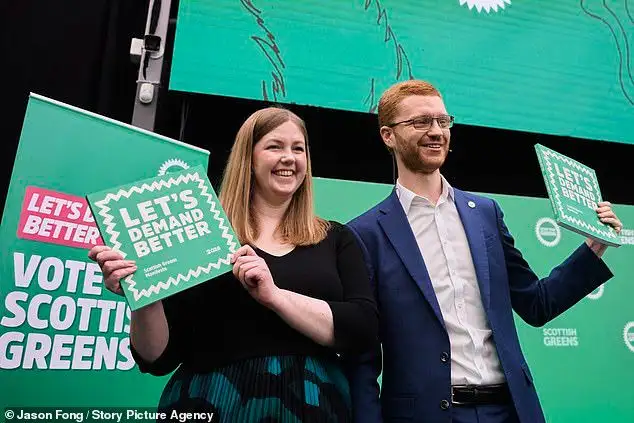
The Scottish Greens and the Scottish National Party (SNP) have secured a pro-independence majority in the Scottish Parliament, with the Greens, in particular, making significant gains, including their first-ever constituency seats. This outcome, observed following Friday's election counts, is being framed by Scottish Green co-leader Ross Greer as a clear mandate for a second independence referendum.

The election results saw the SNP fail to achieve an overall majority on their own. However, when combined with the fifteen seats secured by the Scottish Greens—a record number for the party, which includes two constituency wins—a pro-independence bloc now holds sway in Holyrood. This development has intensified calls for a fresh vote on Scotland's constitutional future, with Greer asserting that the electorate has "quite clearly today returned a pro-independence majority to Scotland’s parliament."
Read More: Taiwan Holds Nantou County Drills to Prepare for State Collapse
Several newly elected Members of the Scottish Parliament (MSPs), including figures from the SNP, will face a choice regarding their existing seats in the UK Parliament. New regulations stipulate that MSPs cannot hold dual mandates, requiring them to resign their Westminster positions within seven weeks. This situation arises for elected officials who previously held seats in both parliaments.
The political landscape appears to be shifting, with commentary suggesting these results signal a broader crisis for the British state. The traditional dominance of the Conservative and Labour parties in Westminster is being questioned, with observations that England is now functioning as a five-party system and that faith in the existing political framework is eroding among voters. This frustration is amplified by the anticipation that Westminster will reject the mandate for a referendum, leaving a segment of the Scottish populace feeling "trapped" within the Union.
Read More: Cairngorms National Park bans campfires and barbecues until September 2026

In the wake of the election, Scottish Green co-leader Ross Greer has also indicated an expectation that the First Minister, John Swinney, will need to acknowledge this mandate, emphasizing that it extends beyond just the SNP's electoral success.
Party Manifestos and Policy Stances
The manifestos of various parties, including the Scottish Greens and the SNP, indicate a shared aspiration for further devolution of powers to Scotland. The Greens, specifically, have outlined proposals for changes to taxation and housing policy. Their plans include a potential replacement for the council tax with a Residential Property Tax based on property values, alongside the introduction of environmental taxes and a higher tax rate for landlords' rental income. They also advocate for increased social housebuilding and propose the wiping out of certain public sector debts.
Some analysts have previously suggested that the SNP's approach to independence has been more focused on party preservation than on advancing the cause itself. The Scottish Greens, conversely, have positioned themselves as a party whose votes are critical for achieving an independence majority, asserting that their support can be the deciding factor. There is also an undercurrent of internal party dynamics, with reports suggesting potential pressure on John Swinney to adopt a more robust stance on independence, and speculation about whether he will seek a formal coalition with the Greens.
Read More: FBI Analysts Review Georgia 2020 Election Data in Fulton County
The Scottish Greens' electoral performance has been noted for challenging established figures, with notable wins against SNP ministers, which has been described as an "historic breakthrough" for the party. This success suggests their message, including opposition to parties like Reform UK, has resonated with voters, potentially changing perceptions of their candidacy as a "wasted vote."






