SNP Clinches Victory, But Independence Mandate Questioned
The Scottish National Party (SNP) has secured its fifth consecutive term in office, winning 58 seats in the Scottish Parliament election. This figure, however, falls short of the 65 seats required for an overall majority, complicating the party's push for a second independence referendum.
The election saw the SNP achieve a notable win, but its inability to secure a majority means the path to another independence vote remains uncertain, contingent on cooperation with other parties.

A Divided Opposition: Reform and Labour Tied
In a significant electoral development, Reform UK has achieved an electoral breakthrough, tying with Labour at 17 seats each for the position of second-largest party. This outcome marks a notable shift in the Scottish political landscape, with the Conservatives losing their status as the largest opposition party, finishing with 12 seats. The Scottish Greens also recorded a historic performance, winning a record 15 seats, including their first-ever constituency victories.
Read More: Taiwan Holds Nantou County Drills to Prepare for State Collapse
Swinney Calls for Respect, Reform Gains Traction
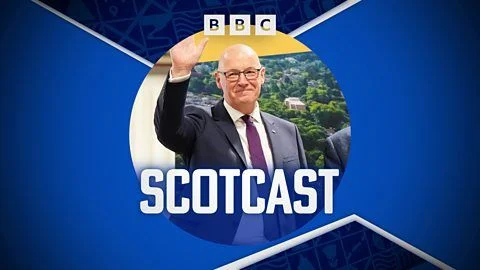
SNP leader John Swinney declared victory and immediately called for "greater respect" from UK Labour leader Keir Starmer. He emphasized the need for inter-party dialogue to address the cost-of-living crisis, stating the SNP would "get to work straight away" on key policies.
"As opposition parties we need to talk to each other. We need to listen to each other and to the electorate as well." - Stephen Gethins (SNP)
Reform UK's performance is seen by some as a reflection of dissatisfaction with existing political offerings, with indications that some former SNP supporters have shifted their allegiance.
"The country has given you the benefit of the doubt, again." - Daily Record (Editorial)
Key Election Outcomes:
| Party | Seats Won | Change from Previous Election | Notes |
|---|---|---|---|
| SNP | 58 | -6 | Fifth consecutive victory, short of majority |
| Labour | 17 | -4 | Tied for second place |
| Reform UK | 17 | +17 | First-ever Holyrood seats |
| Scottish Greens | 15 | +6 | Record haul, first constituency wins |
| Scottish Conservatives | 12 | -19 | Worst-ever Holyrood result |
| Liberal Democrats | 10 | +6 |
Background and Context
The election concluded with the final regional list results confirmed in the early hours of Saturday, some 16 hours after counting began. The SNP's inability to secure an outright majority means that achieving its aim of a second independence referendum will likely require negotiation and support from other parties, potentially including the Scottish Greens, who have now secured a pro-independence majority in Holyrood.
Read More: Cairngorms National Park bans campfires and barbecues until September 2026

Reform UK's success is attributed by some analysts to a disconnect between the SNP leadership and voters in rural and small-town Scotland, a gap that may not have been adequately addressed by the current SNP leadership.
The election campaign saw some notable moments, including SNP First Minister John Swinney engaging in discussions with Hollywood actor Alan Cumming regarding the future of Scottish independence and warning that the "existence of the Scottish Parliament" could be threatened if Reform UK were to gain power. The Scottish Greens achieved a significant milestone with the ousting of former SNP Westminster leader Angus Robertson from his Edinburgh Central seat by former Green co-leader Lorna Slater.