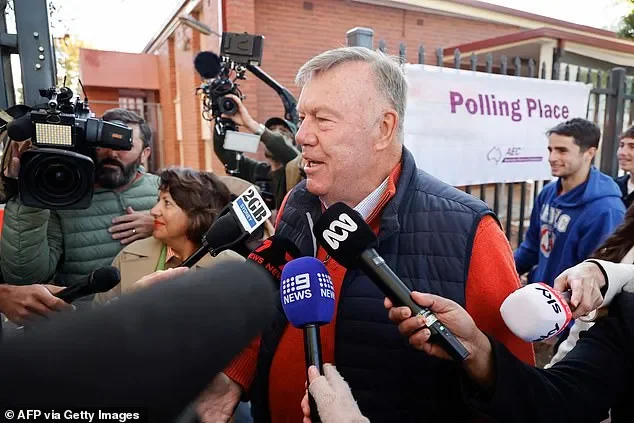
One Nation has won the Farrer by-election, marking the party's first-ever federal lower house victory. The result delivers a significant blow to the Coalition, which has held the regional New South Wales seat for decades.
David Farley of One Nation has been projected to win, overcoming independent candidate Michelle Milthorpe. Early counts showed Farley leading on first preferences, securing 46.4% of the vote, and later widening that lead in the two-candidate-preferred count, reaching approximately 58-60% against Milthorpe's 40-42%.
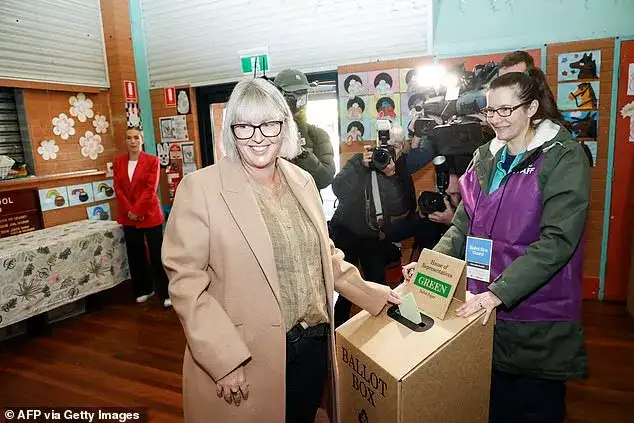
The victory represents a significant moment for Pauline Hanson's One Nation, translating years of rising public support into a tangible parliamentary presence in the House of Representatives. Hanson herself expressed jubilation, stating, "We're coming after those other seats," signalling future ambitions. She also noted becoming emotional upon seeing projections for the win.
Coalition Vote Collapses
The by-election was triggered by the retirement of former Liberal leader Sussan Ley. Reports indicate a substantial decline in the Coalition's vote, with Liberal and National parties combined polling around 23.2% on first preferences in one estimate. This erosion of support, particularly from Liberal voters in a traditionally conservative area, appears to have paved the way for One Nation's breakthrough.
Read More: Taiwan Holds Nantou County Drills to Prepare for State Collapse

One Nation has previously achieved electoral success in state parliaments, including winning four lower house and three upper house seats in South Australia's recent state election. However, securing a federal lower house seat had remained elusive until this by-election.
Campaign Dynamics and Controversies
The campaign in Farrer saw various dynamics at play. One Nation's David Farley led the count across most regional booths, though the independent candidate Michelle Milthorpe held sway in some Albury booths.

Farley himself faced scrutiny following an election-eve gaffe where he was reportedly called to apologize for comments made at a candidates' forum. Reports suggest he appeared to endorse higher migration levels, contradicting his party's stated policy of a lower immigration cap. This incident led to speculation that his campaign team had adopted a strategy of limiting his media appearances, with some observers questioning his preparedness.
Read More: NSW ICAC Operation Rosny: Bribery Hearings Start April 7
The Coalition's decision to preference Farley over Milthorpe has been described as a "cold strategic calculus" in an attempt to counter Milthorpe and the "teal" movement, a reference to the rise of independent candidates in other recent elections.

Broader Political Context
This by-election has been widely viewed as a test of voter sentiment and dissatisfaction with the major parties. The shifting political landscape, with a notable increase in support for independents and minor parties, has been a backdrop to One Nation's ascent.
While the outcome does not impact the current government's majority, analysts suggest it could signal a broader trend of voters moving away from established political forces. Discussions around One Nation's policy, including an upcoming gas policy announcement from Pauline Hanson, are expected to gain more prominence.
Despite this victory, some analyses caution against assuming guaranteed success in future federal elections, noting that by-elections can sometimes operate under different electoral contexts than general contests. One Nation's broader electoral trajectory has been marked by periods of fluctuating support, influenced by factors including Hanson's rhetoric and voter resistance.
Read More: FBI Analysts Review Georgia 2020 Election Data in Fulton County