A substantial body of recent research indicates a concerning link between the salinity of drinking water and increased blood pressure, with those in coastal regions facing a heightened risk. Multiple studies, drawing from a global analysis, suggest that higher salt concentrations in water directly correlate with elevated systolic and diastolic blood pressure readings.

The core finding, consistently reported across several sources, is that individuals consuming saltier drinking water exhibit, on average, approximately 3.22 mmHg higher systolic blood pressure and 2.82 mmHg higher diastolic blood pressure. This phenomenon is particularly pronounced in coastal communities where rising sea levels contribute to saltwater intrusion into freshwater sources.

Water's Hidden Sodium Load
The implications of these findings are significant, as drinking water, often overlooked in discussions about sodium intake, could be a substantial, unexpected source of dietary salt for millions.
Read More: Liver Disease Rising: Doctors Urge Early Check-ups for All Ages

Mechanism of Action: Extra sodium in the body leads to retained fluid, which in turn increases blood volume. This increased volume exerts greater pressure within blood vessels.
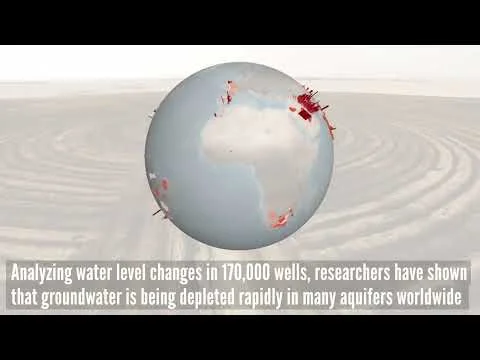
Global Impact: Groundwater, a primary source for nearly half of the world's drinking water, is increasingly susceptible to saltwater infiltration, particularly in vulnerable coastal zones.
Public Health Oversight: Notably, current 'World Health Organization' guidelines do not stipulate any health-based standard for sodium levels in drinking water, leaving a potential public health gap.
Managing the Risk
While the research highlights a concerning environmental and health intersection, practical steps are suggested for individuals concerned about their blood pressure.
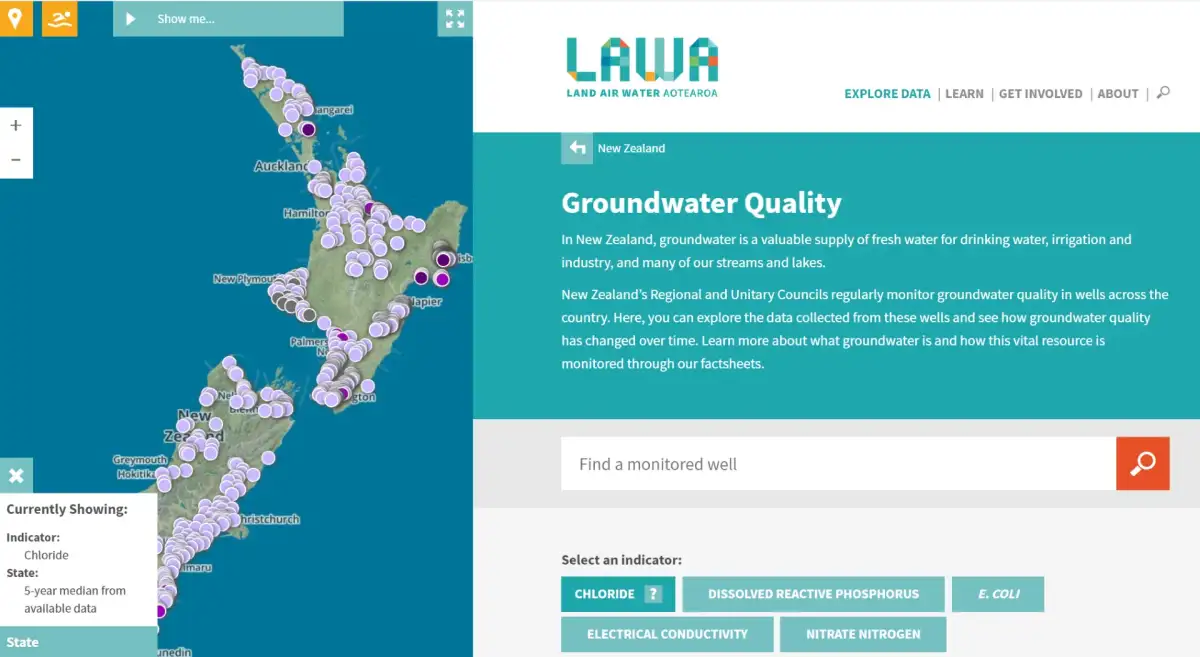
Local Awareness: Checking local 'water quality reports', where accessible, can provide insights into the salinity of one's drinking water.
Holistic Approach: A continued focus on overall 'dietary sodium' reduction remains a crucial strategy for managing blood pressure, irrespective of water source.
Context and Scope
This association between higher salinity in drinking water and increased blood pressure, along with a greater risk of hypertension, was detailed in a review published in the journal 'BMJ Global Health'. The research examined the link between sodium levels in drinking water and various cardiovascular outcomes. These findings underscore the need for further consideration of drinking water quality in public health planning, especially in areas prone to rising sea levels and increased saltwater intrusion. The 'hypertension risk' increase in coastal areas has been estimated at 26%.