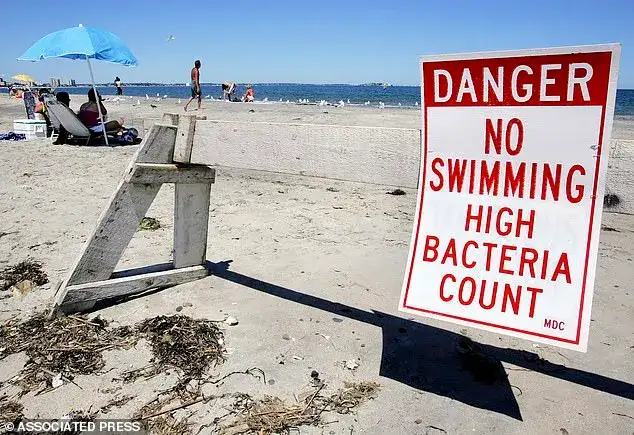
Groundwater, a hidden but vital resource for New Zealand’s communities and ecosystems, is showing clear signs of contamination. Pollution, primarily from land use and intensifying with climate change, is affecting drinking water supplies, particularly in areas with shallow or poorly protected groundwater sources. These pollutants can persist for years, even decades, presenting a long-term challenge to water security and ecological health. Recent findings highlight significant nitrate contamination, with a substantial portion of rural residents potentially exposed to levels exceeding safety thresholds.

New tools for tracking nitrate levels are beginning to shed light on the complex and often poorly understood movement of contaminants within groundwater systems, revealing fluctuations and the slow-release nature of pollution. While some localised efforts show improvement, the overall picture across the country remains mixed, with widespread progress lagging behind the scale of the problem. This points to a persistent legacy of human pressure on freshwater resources, with current conditions often reflecting past decisions and future impacts yet to be fully realised.
Read More: Amazon Land Use Changes Cause Disease Clusters in Brazil

Nitrate Contamination a Significant Threat
Reports indicate that a considerable number of rural New Zealanders may be drinking water with elevated nitrate levels. One study estimates that over 21,200 people could be consuming water above the Maximum Allowable Value (MAV) for nitrates, with an additional 101,000 exceeding half of this value. This contamination poses serious risks to both human and ecological health.

The vulnerability of rural drinking water supplies, often sourced from shallow groundwater and located near agricultural activities, exacerbates the issue. While publicly registered drinking water supplies must meet standards, private bores and springs serving fewer than 25 people often lack mandatory testing requirements, leaving residents unaware of potential contamination.

Complexity and Persistence of Groundwater Issues
The connection between groundwater and surface water systems – rivers, lakes, and wetlands – is intricate. Groundwater acts as a crucial buffer, sustaining river flows during dry periods. However, this slow-release nature means that pollutants entering groundwater can remain trapped for extended durations, only to re-emerge years or decades later. Extreme weather events, such as heavy rainfall, can accelerate the transport of pollutants and sediment into waterways, further stressing these systems.
Read More: Tohorā Diet Study Boosted by New Zealand Beach Find
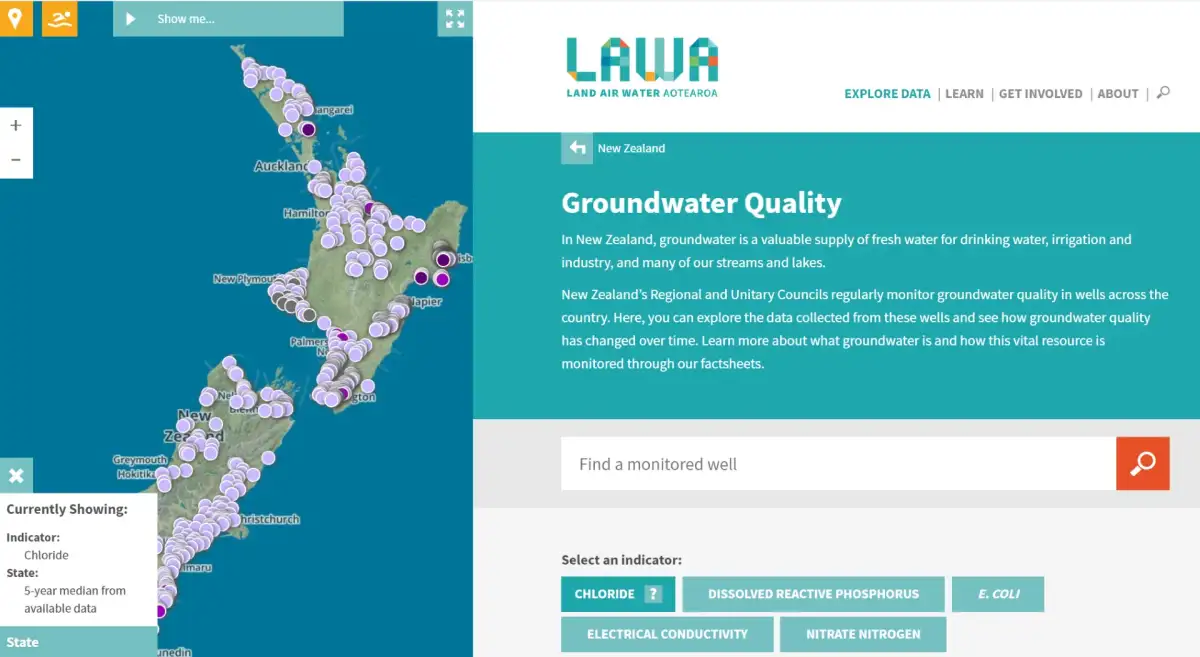
While some data shows slight decreases in Dissolved Reactive Phosphorus (DRP) concentrations in groundwater nationally, this trend is not universal. Overall, the management of freshwater is a complex task, requiring a holistic approach that acknowledges the interconnectedness of different water bodies and the long-term impacts of human activities.
Background and Broader Environmental Concerns
Previous environmental reports have painted a stark picture of New Zealand’s environmental state, highlighting significant biodiversity loss, waterway degradation, and the impact of intensive land use, including dairy farming and urban expansion. Scientists have consistently pointed to factors like land and water use, pollution, invasive species, and habitat modification as key drivers impacting freshwater ecosystems.
The focus on groundwater in recent assessments provides a unifying theme for freshwater discussions, underscoring its critical role in supporting ecosystems and communities. The current situation, where freshwater quality is simultaneously improving in some areas and deteriorating in others, reflects a system struggling to adapt at the required pace and scale. This underscores the challenge of addressing environmental degradation that has built up over time, often referred to as a "legacy issue."
Read More: Kanyakumari Atomic Mining Permit Extended for 1144 Hectares in 2026