Washington D.C. - Amidst Iran's reported chokehold on global oil supply via the Strait of Hormuz, President Donald Trump convened an emergency Situation Room meeting on Saturday. The meeting brought together key figures including Vice President JD Vance, Defense Secretary Pete Hegseth, Treasury Secretary Scott Bessent, and Secretary of State Marco Rubio, according to Axios. This gathering occurred as US officials voiced belief that the blockade could facilitate a peace deal, a stance communicated by a White House spokesperson to The Wall Street Journal.

The unfolding situation intensifies concerns over potential military action, with reports from The Wall Street Journal indicating US soldiers are preparing to storm Iran-backed ships imminently. Trump himself commented on the situation, stating, "They wanted to close up the Strait again, as they've been doing for years, but they can't blackmail us."
Read More: Student Group Changes Plans After Charlie Kirk Event
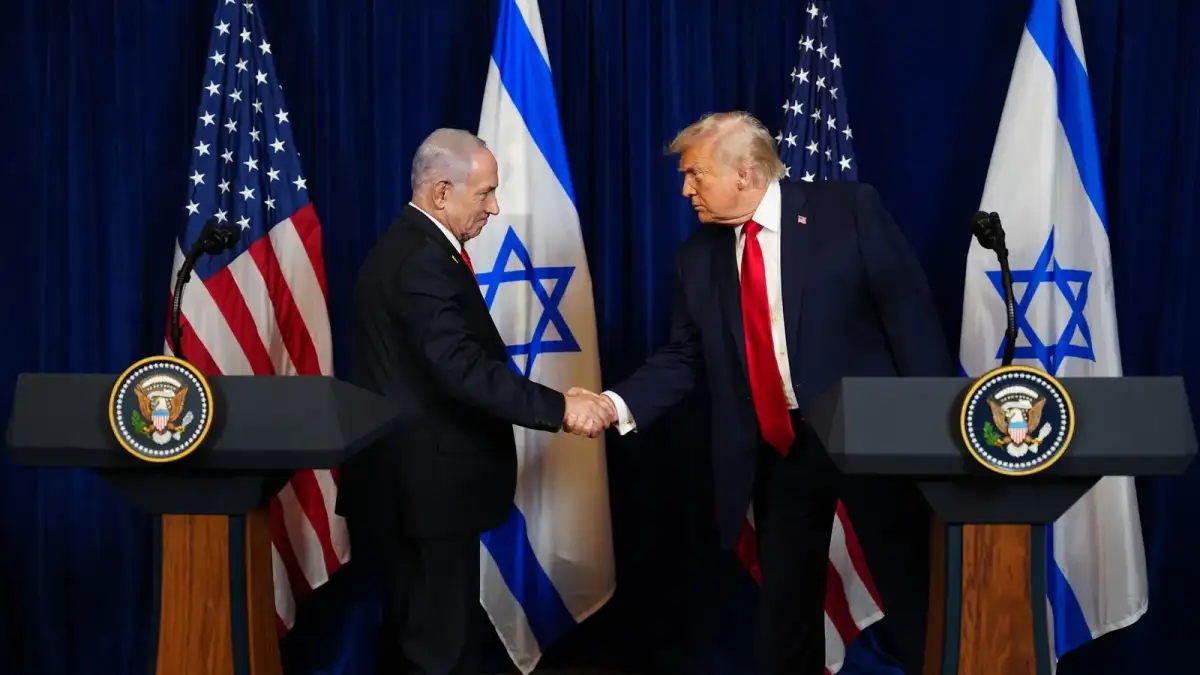
Inner Circle's Evolving Stance on Iran
Initially, senior figures within Trump's administration, including Vice President JD Vance, had expressed significant reservations regarding military engagement with Iran. However, as President Trump's inclination towards military action became apparent, these reservations appeared to diminish. People familiar with the matter suggest that Trump's top aides aimed for a conflict of brief duration, measured in weeks rather than months. Despite initial misgivings, figures like Vance and others reportedly offered little opposition once the prospect of conflict was viewed as unavoidable, focusing on executing Trump's directives rather than altering his course in the lead-up to earlier attacks.
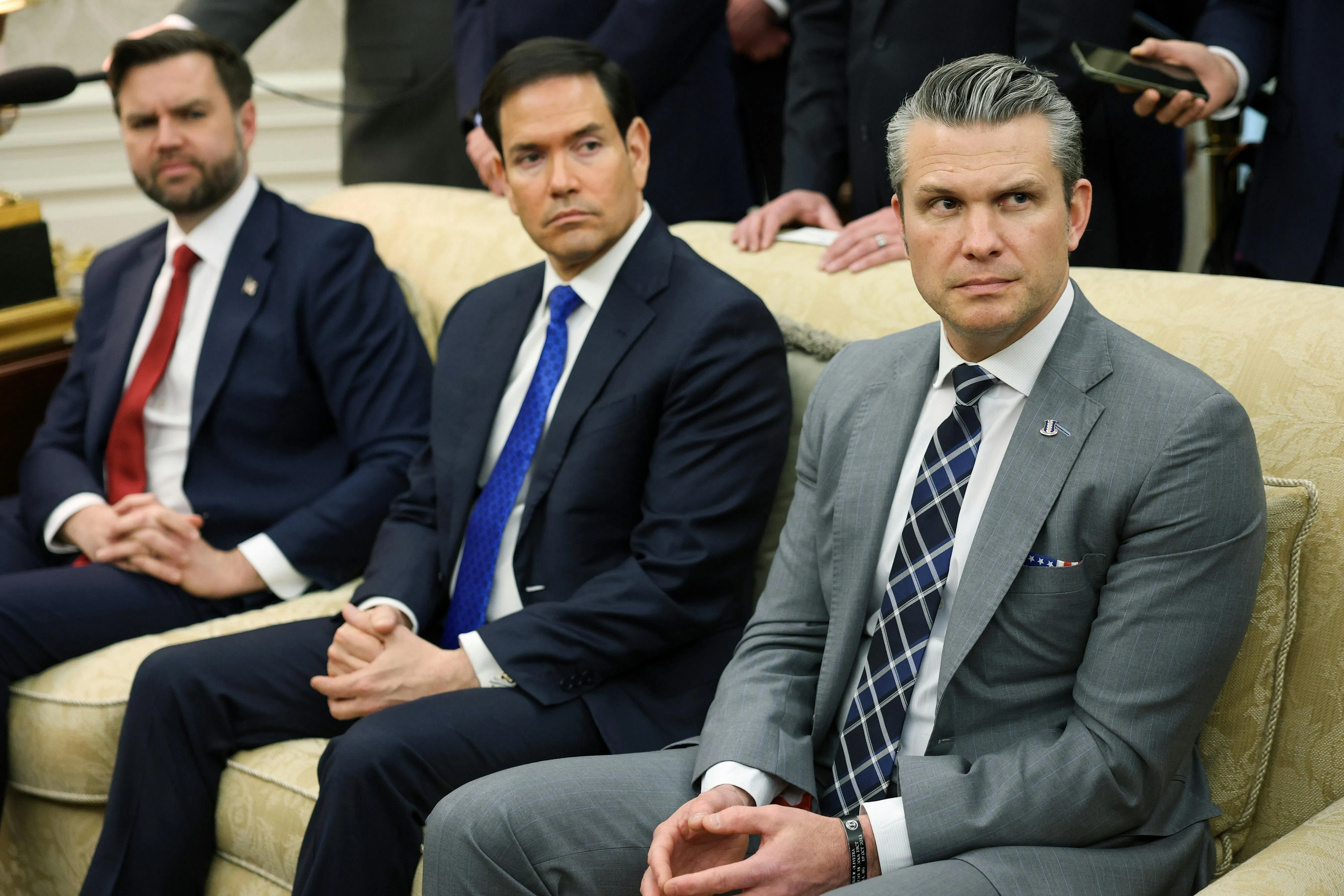
Broader Context and Shifting Dynamics
This emergency briefing follows a period of heightened tensions, including Israel's preemptive strikes on Iran on June 12, which were attributed to concerns over Iran's advancing nuclear program. Experts suggested Israel's campaign could represent a significant turning point. In the immediate aftermath of these strikes, White House press secretary Karoline Leavitt indicated that the subsequent two weeks would be critical for determining the next steps in US involvement.
Read More: Iran Closes Strait of Hormuz Again on April 18, 2026
President Trump has recently shifted towards exploring a ceasefire, moving from earlier threats of "annihilation." On Wednesday, Trump announced agreement on a 14-day ceasefire plan proposed by Iran, suggesting it could pave the way for ending a nearly six-week war. He has also reportedly considered implementing tolls for vessels passing through the Strait of Hormuz.
Earlier reports highlighted internal discussions within Trump's circle regarding the duration of military engagement, with some, including Chief of Staff Susie Wiles and Deputy Chief James Blair, emphasizing the political repercussions of elevated gas prices and advocating for a swift conclusion to the conflict. Officials from the Treasury Department and the National Economic Council reportedly cautioned Trump about the potential negative impact of rising gasoline prices on public support for the war.
Israeli Prime Minister Benjamin Netanyahu had also reportedly made a direct appeal to President Trump and his advisors, arguing for regime change in Iran and presenting the nation as vulnerable. The New York Times indicated Trump maintained a conviction that any conflict would be brief and manageable.
Read More: Women's Reservation Bill Fails in India Parliament April 2026