


A wave of widespread unrest swept through Noida's industrial zones recently, as thousands of factory workers took to the streets, blocking roads and confronting authorities. The protests, which began with long-standing grievances over wages, rapidly escalated into violent clashes in multiple sectors. Key flashpoints included Sector 1, 15, 57, 62, and 85, with reports of road blockades, factory sieges, and attempts to force entry into industrial units. The agitation saw vehicles vandalized and set ablaze, bringing significant portions of the manufacturing hub to a standstill.
Demands Echo Across Industrial Belt
At the core of the workers' demands is a stark pay gap when contrasted with neighbouring states. Workers are reportedly earning approximately Rs 13,000 per month as a minimum wage in Noida, significantly less than Haryana's revised minimum wage of around Rs 19,000. This disparity has fueled a strong push for salary revisions, with some workers demanding a minimum monthly pay of Rs 20,000. Beyond wages, workers also voiced concerns about longer working hours, seeking a reduction from 12-hour shifts to 8-hour days. They are also calling for improved overtime pay, bonuses, and more robust grievance redressal mechanisms.
Read More: Unspent ₹49,837 Crore Construction Cess Stalls Worker Aid
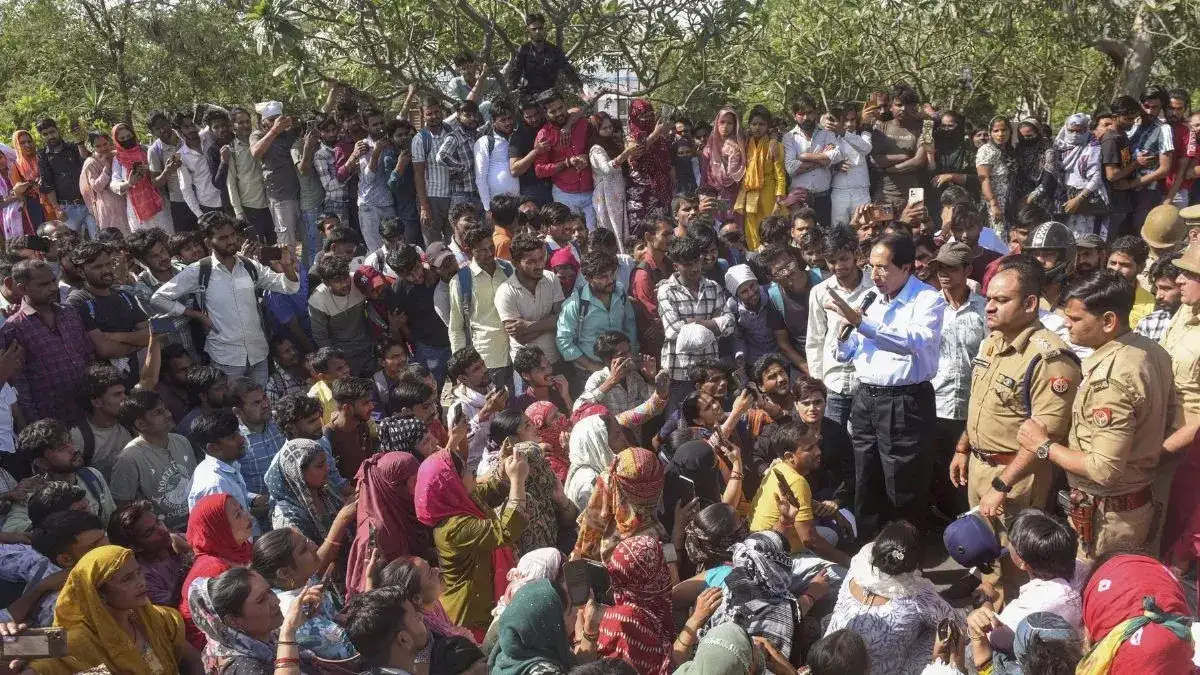
Escalation and Official Response
The protests, which involved an estimated 40,000 workers across numerous locations, quickly turned volatile. Clashes between protesters and police were reported, with allegations of excessive force used during crowd control measures exacerbating tensions. In response, authorities deployed heavy police presence across industrial zones and engaged in discussions with agitated workers. The Uttar Pradesh government announced an interim hike in minimum wages from April 1, following the unrest. There are also reports that probe agencies are investigating possible links to external factors, including suggestions of misinformation circulating through 'shady WhatsApp groups' and potential connections to Pakistan.
Underlying Tensions and Background
The current wave of industrial action is seen as an explosion of deep-rooted labour tensions, amplified by recent wage hikes in neighbouring states like Haryana. This event underscores a broader conversation about wage structures, working conditions, and the economic balance within India's industrial corridors. Previous attempts to address worker grievances included setting up high-power committees and implementing interim wage hikes, though these appear to have fallen short of resolving the fundamental issues driving the widespread dissent. The scale and speed of the protest's spread, involving some 40,000 workers across 80 locations, highlights a significant level of coordinated discontent within the region's workforce.
Read More: Noida Metro Extension Gets Green Light to Connect More Areas


