Global Study Highlights Looming Freshwater Crisis
A sweeping examination of over 60,000 coastal watersheds worldwide reveals a stark reality: saltwater is steadily infiltrating freshwater supplies, a process accelerated by diminishing groundwater recharge and rising sea levels. This "slow-onset climate crisis," as it's been termed, poses a significant risk to drinking water, agriculture, and infrastructure for billions of people. The findings, published in Geophysical Research Letters, suggest that by 2100, the reach of this saline tide could be extensive, impacting regions that currently lack the resources to independently assess their vulnerability.

The dual forces of reduced freshwater input into aquifers and the expanding reach of the oceans are creating a potent combination that pushes saltwater further inland. While reduced recharge dictates the distance of this inland creep, sea level rise dictates its global scope. This situation is not merely theoretical; instances of saltwater contamination rendering water undrinkable and unusable for irrigation are already documented, with severe economic ramifications.
Read More: Lake Bacteria Shed Half Genes in Michigan to Survive Better
Local Realities Echo Global Threat
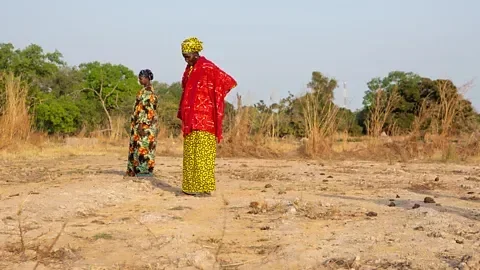
The broad strokes of the global projection are already playing out in specific locales. In one reported case, a farmer’s fields, once reliably producing bumper harvests, have been rendered unproductive after saltwater from the Atlantic began seeping into the land. This personal devastation mirrors a larger, systemic problem where freshwater sources, essential for drinking, sustenance, and local economies, are becoming compromised. Such contamination extends beyond agriculture, affecting the integrity of water and wastewater systems and presenting direct health risks, particularly in areas with less advanced water treatment.

Broadening Impacts: Beyond the Tap
The ramifications of saltwater intrusion are multifaceted:
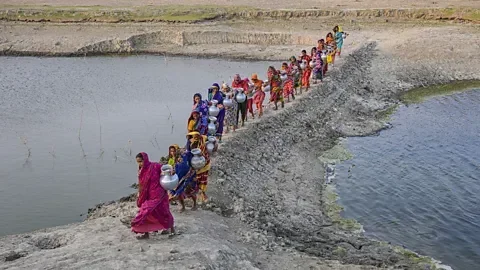
Drinking Water: The increased salinity can make freshwater supplies unsafe for human and animal consumption, demanding costly adaptation or the search for alternative sources.
Agriculture: Irrigating crops with increasingly saline water damages soil and reduces yields, threatening food security and livelihoods. Some efforts are underway to cultivate salt-tolerant crops or explore protected farming methods like hydroponics.
Ecosystems: Coastal ecosystems, finely tuned to specific salinity levels, are disrupted, impacting biodiversity and natural buffers against coastal changes.
Infrastructure: The corrosive nature of saltwater can degrade the materials of water and wastewater pipes, adding another layer of economic burden.
Contributing Factors: Nature and Human Hand
While natural processes like tidal movements and storm surges contribute to saltwater intrusion, human activities and broader environmental shifts are amplifying the problem. Excessive groundwater pumping can lower water tables, allowing saltwater to advance more easily. However, the dominant driver identified in recent studies is the accelerating pace of climate change, specifically the dual impact of rising sea levels and altered precipitation patterns that affect groundwater recharge.
Read More: Restore Britain party linked to extremist groups, says leader Rupert Lowe faces questions
A Call for Proactive Management
The scientific consensus points to the urgency of understanding and managing this evolving threat. While site-specific studies have proliferated, a global framework for localized climate impacts is crucial for vulnerable nations. Strategies are being developed, ranging from enhancing soil resilience and exploring new crop varieties to designing more human-centered decision support tools for managing contamination. Yet, the sheer scale of the challenge suggests that a coordinated approach, integrating research, policy, and education, is essential for navigating the long-term implications of saltwater's inexorable creep inland.