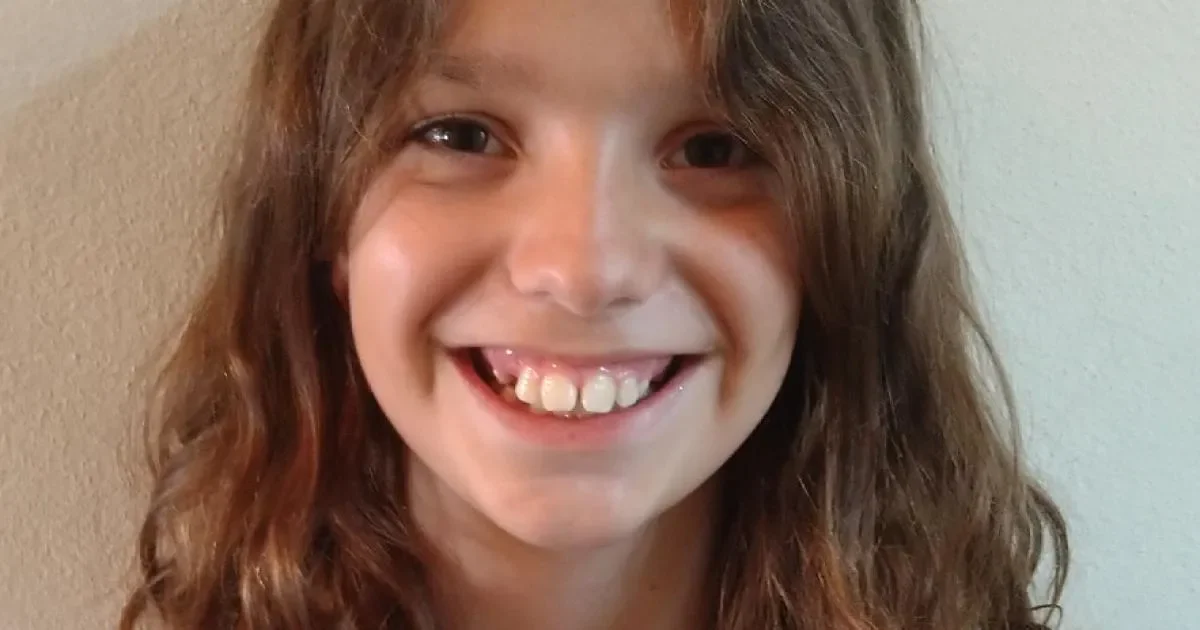
A nine-year-old boy in Stowmarket, Suffolk, has donated his hip-length hair, grown over the pandemic, to The Little Princess Trust, a charity providing wigs for children. This act follows a pattern of similar donations from young individuals, spurred by extended periods without haircuts.
The boy, identified only as Noah, had not had his hair cut since the initial Covid-19 lockdown when he was three. His donation coincided with his return to school after the Easter break, aiming to surprise friends and teachers with a significantly shorter style.
PREVIOUS INSTANCES OF SIMILAR GIVING
This is not an isolated occurrence. Numerous reports detail young boys growing out their hair, often during lockdown periods, and subsequently donating it to charities like The Little Princess Trust. These organizations then fashion the hair into wigs for children undergoing medical treatments that cause hair loss.
Read More: Leeds beats Manchester United at Old Trafford for first time in 45 years
Sebastian Stevens, a ten-year-old from Burgess Hill, previously donated over a metre of hair. He had cancer as a toddler, experiencing hair loss during treatment. His donation, accumulated over four years, was made in May 2024.
In August 2020, Reilly Stancombe, then nine, from Essex, made his first-ever haircut a charitable act, donating his locks for children's wigs and raising over £3,300 for the same charity. He reportedly felt nervous about the cut but was pleased with the result.
Freddy Fuse, a ten-year-old from Cardiff, donated 12 inches of his hair in May 2021. His action was inspired by learning about the charity's work and how it helps children regain confidence and a sense of identity lost due to illness.
Guy Toddington, an 11-year-old from Halesowen, also contributed his hair in August 2022. A rugby player, he grew his hair during lockdown before starting secondary school and also managed to raise over £700 for the charity.
The consistent theme across these accounts is the considerable length of hair donated, often the result of deliberate growth over months or years, frequently linked to periods where haircuts were less accessible or less of a priority. The motivation appears to stem from a desire to help others, particularly children facing severe health challenges.