Concerns Mount Over Shadow Fleet Activity as Russia-Linked Vessel Departs French Waters
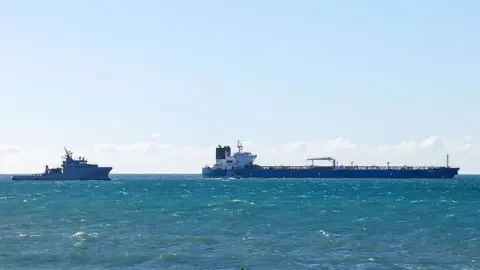
Recent actions by French authorities have brought renewed attention to the contentious issue of "shadow fleets," particularly in the context of international sanctions against Russia. A Russian-linked oil tanker, identified as the GRINCH, was recently permitted to leave French territorial waters after its owning company paid a substantial fine. This event occurs as global discussions on peace talks related to the ongoing conflict in Ukraine begin. The GRINCH was initially intercepted and held near Marseille, France, on suspicion of violating sanctions imposed on Russian oil exports.
Background: The Rise of Shadow Fleets and International Sanctions
The term "shadow fleet" refers to a growing number of vessels used to transport oil from countries like Russia and Iran, often employing tactics to obscure their ownership and operational details. This practice has become more prevalent as Western nations have implemented sanctions to curb revenue for nations engaged in conflict, particularly Russia's ongoing military actions in Ukraine.
Read More: Swiss TV Stops Olympic Comments About Israeli Athlete

Sanctions Enforcement: Western sanctions aim to limit Russia's financial capacity to fund its military operations. These measures often involve restricting access to insurance and shipping services for sanctioned vessels.
Evasive Tactics: Shadow fleet operators are reported to use various methods to evade detection and sanctions. This can include changing flags, falsifying shipping documents, and using complex ownership structures.
Growing Fleet Size: Data from monitoring groups indicates a significant increase in the size of the shadow fleet since Russia's full-scale invasion of Ukraine. One estimate suggests the fleet has tripled in size.
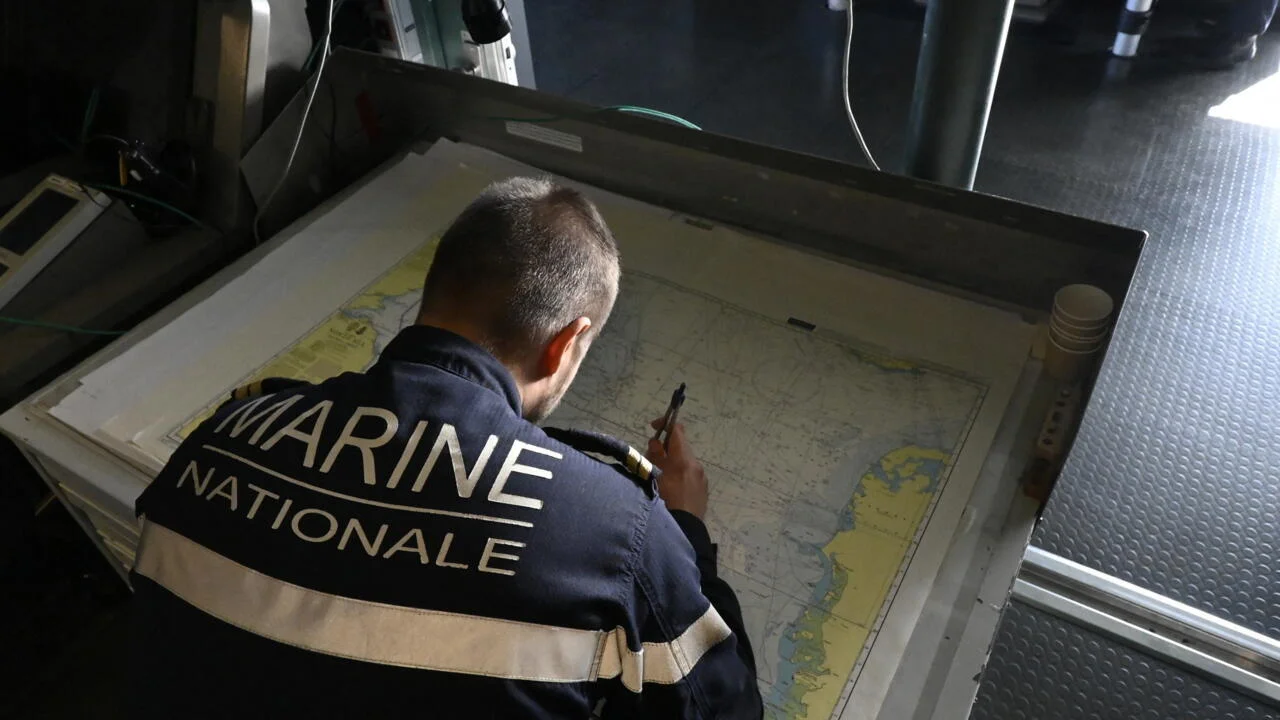
Previous Interceptions: France has previously taken action against vessels suspected of being part of these shadow fleets. In October 2025, French naval forces intercepted another oil tanker off the Atlantic coast.
The Interception and Release of the GRINCH
The oil tanker GRINCH, initially flagged with a Comoros registration, was seized in the Mediterranean last month. It had departed from Murmansk, Russia, in early January and was diverted to a port near Marseille. French authorities stated the vessel was suspected of being part of the shadow fleet used to export Russian oil despite international sanctions.
Read More: Russia Attacks Ukraine with Many Drones and Missiles Before Peace Talks
The company owning the GRINCH was fined "several million euros" for failing to properly justify the vessel's flag. This financial penalty preceded the tanker's release from French waters. French Foreign Minister Jean-Noel Barrot emphasized that "Circumventing European sanctions comes at a price."
Accusations of Illicit Activities and Investigations
Beyond sanctions evasion, the GRINCH has faced other serious accusations. French prosecutors initiated an investigation into the ship's alleged failure to confirm its nationality.
Drone Flight Disruption: According to specialized maritime publications, the GRINCH and similar vessels have been implicated in mystery drone flights that disrupted air traffic in Denmark in September 2025. These ships are suspected of being used as launch platforms or decoys.
Crew Member Detentions: In a separate but related incident in October 2025, French authorities detained two crew members of a Russia-linked tanker off the western French coast. This action followed an investigation launched by the navy in Brest.
Captain's Trial: The captain of a previously intercepted tanker was slated to face trial in February 2026 for alleged non-cooperation with authorities.
Russia's Reaction to Sanctions and Interceptions
Moscow has consistently denounced the seizure of vessels and the enforcement of sanctions.
Read More: Champions League Knockout Draws Are Set for New Format
Russia has stated that no state has the right to use force against vessels properly registered under the jurisdictions of other nations.
The interception of a tanker last September was characterized by Russian President Vladimir Putin as an act of piracy.
Broader Implications and International Scrutiny
The release of the GRINCH underscores the ongoing challenges in enforcing sanctions against Russia's oil trade.

Complex Sanctions Enforcement: The increasing sophistication of shadow fleets makes it difficult for international authorities to fully block sanctioned oil from reaching global markets.
Geopolitical Tensions: The incident adds another layer of complexity to the geopolitical landscape, particularly as diplomatic efforts related to the conflict in Ukraine are reportedly underway.
Increased Patrols and Interceptions: France and other allied nations have signaled a commitment to intensified efforts in cracking down on these illicit shipping activities.
Read More: Iran Leader Says US Will Not Win Against Iran
The GRINCH's departure after paying a fine suggests a potential shift towards financial penalties as a primary tool for addressing violations, rather than prolonged detentions, at least in this instance. However, the underlying issues of sanctions evasion and the potential for these vessels to be involved in other illicit activities remain under close observation.
Expert Analysis
Dr. Anya Sharma, a maritime security analyst at the Global Maritime Institute, commented on the situation:
"The GRINCH incident is emblematic of the cat-and-mouse game being played out on the seas. Sanctioning nations are trying to plug loopholes, while operators of these shadow fleets are finding new ways to circumvent them. The financial penalty is a deterrent, but it also suggests a pragmatic approach by French authorities to gain some recompense while acknowledging the difficulties in permanently seizing such assets without irrefutable evidence of direct, illegal involvement in prohibited activities beyond flag violations."
Conclusion and Next Steps
The French authorities' decision to release the GRINCH tanker following a significant fine highlights the practicalities and complexities of enforcing international sanctions on Russian oil. While the vessel has departed French waters, the investigations into its alleged activities and the broader concerns surrounding the shadow fleet persist.
Read More: Russia Warns Navy Will Protect Oil Ships
Continued Monitoring: International bodies and monitoring groups are expected to continue tracking the movements of vessels suspected of operating within shadow fleets.
Legal Ramifications: The outcome of the captain's trial and any further investigations into related incidents will be critical in shaping future enforcement strategies.
Diplomatic Efforts: The context of ongoing peace talks, however nascent, may influence the diplomatic approach to such maritime incidents.
Regulatory Adjustments: Western nations may reassess their regulatory frameworks and intelligence-gathering capabilities to better identify and intercept vessels engaged in sanctions evasion and other illicit activities.
The case of the GRINCH serves as a stark reminder of the global interconnectedness of energy markets, international law, and ongoing geopolitical conflicts.
Sources:
France releases seized Russian 'shadow fleet' tanker after fine paid: BBC News, Published 14 hours ago. https://www.bbc.com/news/articles/c8xy4dl2xwgo
France releases Russian oil tanker intercepted near Marseille: Le Monde, Published 1 hour ago. https://www.lemonde.fr/en/france/article/2026/02/17/france-lifts-detention-of-russian-oil-tanker-intercepted-near-marseille67505747.html
France detains two crew members of Russia-linked tanker off western French coast: France 24, Published Oct 1, 2025. https://www.france24.com/en/europe/20251001-france-investigates-suspected-shadow-fleet-oil-tanker-anchored-off-its-coast
French prosecutors investigate seized oil tanker suspected of evading sanctions on Russia: Associated Press, Published Jan 23, 2026. https://apnews.com/article/france-navy-russia-shadow-fleet-tanker-1077e1a8ec1ba443cce52483f7210158
Suspected Russian Shadow Fleet Tanker GRINCH Allowed to Leave France After Paying Fine: US News & World Report (Reuters), Published 3 hours ago. https://www.usnews.com/news/world/articles/2026-02-17/suspected-russian-shadow-fleet-tanker-grinch-allowed-to-leave-france-after-paying-fine