A noted resurgence in religious engagement is being observed, with young men, particularly those with higher education, appearing to be at its forefront. This trend runs counter to earlier predictions of steady religious decline. The findings suggest that religious institutions may be offering something significant to this demographic, addressing needs for belonging, purpose, and defined roles in a rapidly changing world. However, conflicting data from some sources prompts a closer examination of the extent and nature of this revival.
Shifting Demographics in Religious Participation
Sociological trends have historically suggested that religion appeals more to older individuals and women. However, recent observations indicate a shift:
Youthful Engagement: Young men, especially those in Generation Z, are showing a greater inclination to attend weekly religious services than millennials and some younger Gen X-ers. This observation suggests a closing of the gender gap in religious attendance within Gen Z, with young men joining churches as young women depart in some areas.
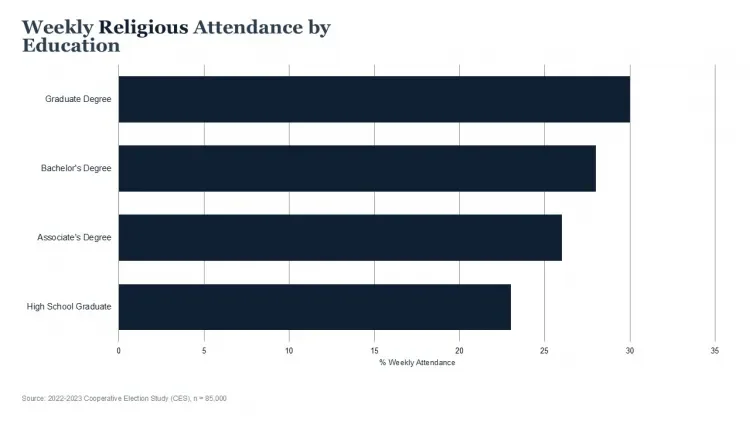
Educational Attainment: Contrary to assumptions linking lower education with religiosity, findings indicate that highly educated individuals are participating in this religious return. Research suggests that poorer individuals may find more connection with affluent people in religious settings than in secular ones. Furthermore, inner-city boys attending religious schools demonstrate a higher likelihood of graduating college compared to their counterparts in public schools.
Global Phenomenon: This trend is not confined to a single region, with reports pointing to a global resurgence of interest in faith among young people, particularly young men.
Motivations Behind the Return
Several factors appear to be driving young men and the educated back to religious institutions:

Search for Meaning and Purpose: In an era of uncertainty and perceived societal shifts, religion may offer a sense of belonging, purpose, and a defined role. This is particularly relevant in contexts where traditional notions of manhood are perceived as under pressure.
Authentic Community: Young men, described as being able to "spot inauthenticity from a mile away," seem drawn to spaces that offer authentic community. There is an emphasis on actively engaging with faith, including wrestling with scripture, rather than passive reception of information.
Meaningful Challenges: When presented with meaningful challenges, young men appear motivated to rise to the occasion. This suggests that evangelistic efforts and community roles that demand engagement can be effective.
Crisis and Stability: Religious revivals can emerge during times of crisis, such as economic downturns or pandemics, when individuals seek stability and meaning.
Online Influence: Emerging "online masculinity spheres" are also noted as a potential influence, offering clear roles that resonate with some young men.
Divergent Perspectives on the Revival's Scope
While several reports highlight a significant religious resurgence, others offer a more tempered perspective, suggesting that overall trends may not reflect a dramatic shift:
Read More: Cliffe Knechtle: God's 4 Answers to Prayer on US Campuses
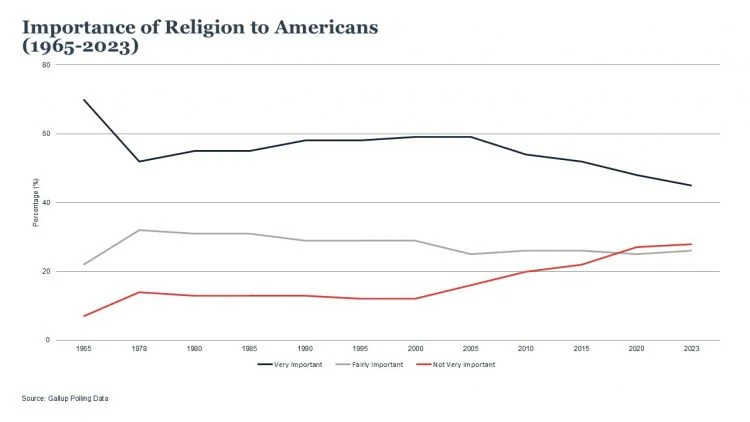
Data on Overall Trends: Some analyses indicate that while specific groups may be showing increased engagement, overall religious trends in the U.S. exhibit little substantial change. The proportion of individuals who consider religion important, attend services regularly, or identify as religious has remained relatively consistent.
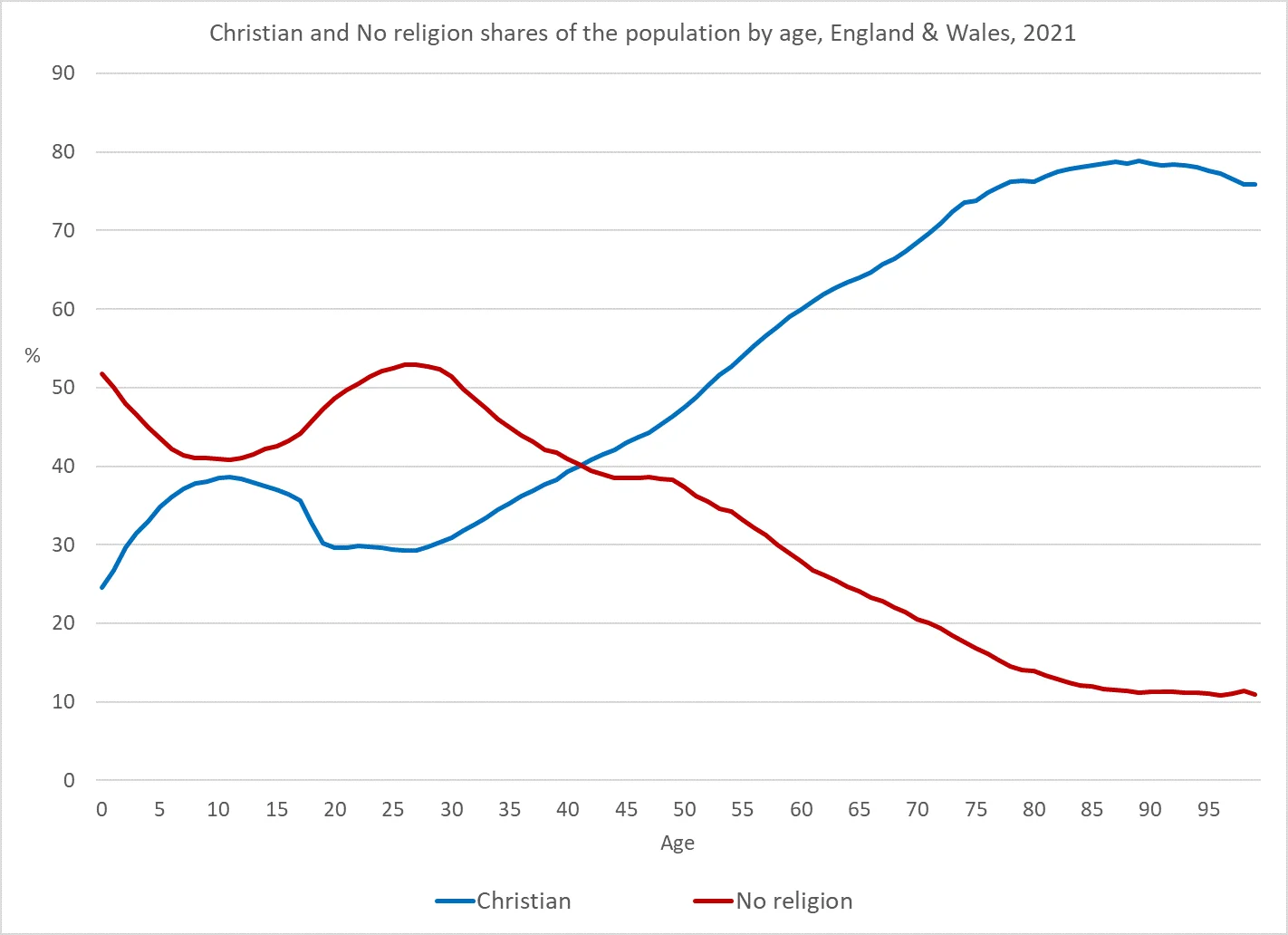
Youthful Religiousness Compared to Older Adults: Young adults, as a group, still appear to be less religious than older Americans. They are also reported to be less religious than young adults were a decade prior.
Transitory Engagement: It is observed that many young adults follow their parents' religious practices while living at home, but this engagement may decline once they establish independent lives.
Societal and Institutional Implications
The potential for a genuine religious revival, driven by specific demographics, carries notable implications:
Challenging Stereotypes: The participation of highly educated individuals challenges the notion that religious adherents are inherently less curious, ambitious, or intelligent than their non-religious counterparts.
Institutional Adaptation: Religious institutions may need to adapt their approaches to minister effectively to young men, focusing on authenticity, meaningful engagement, and community building.
Potential for Partisanship: There is a recognized risk that religion could be used less as a moral compass and more as a partisan weapon.
Positive Life Outcomes: Young churchgoers report higher life satisfaction and lower rates of anxiety compared to their non-churchgoing peers. They also tend to feel more connected to their communities and are more likely to engage in civic activities.
Conclusion
Evidence suggests a complex picture regarding religious trends. A discernible increase in religious participation is being observed among young men and the highly educated, with some sources detailing significant engagement, particularly in areas like the UK and within specific denominations such as Catholicism. This resurgence appears to be fueled by a search for meaning, purpose, and authentic community. However, other analyses present a more cautious outlook, indicating that broader societal religious trends may show less dramatic change. Further investigation is warranted to reconcile these divergent findings and fully understand the scope and sustainability of this evolving religious landscape.
Real Clear Investigations: Provides data suggesting that religious institutions can foster greater association between poorer and affluent individuals than secular institutions. It also highlights that inner-city boys in religious schools have better college graduation rates.
Answered Faith: Focuses on practical strategies for engaging young men in religious settings, emphasizing meaningful challenges and authentic community.
Lowy Institute: Discusses the global phenomenon of young people, especially men, returning to faith, and posits potential reasons including a need for belonging and purpose, especially during times of crisis.
American Partisan: Reports on Gen Z men being more likely to attend weekly services than previous generations and highlights a closing gender gap in religious attendance within this cohort.
Crusaders Call: Details a "quiet revival" in Britain led by young men, citing increased belief and attendance among certain age groups and denominations, with specific calls to support faith-based organizations.
Deseret News: Presents a more measured view based on Pew research, indicating that while some young adults are returning to religion, overall trends show little major change, and young adults remain less religious than older Americans.
RELEVANT Magazine: Describes a "quiet revival" in the UK driven by Gen Z, suggesting that churchgoers report higher life satisfaction, lower anxiety, and greater community connection.
Allboy Substack: States that young men are experiencing a religious revival, influenced by the cultural landscape, and that community and relationships are key, with Eastern Orthodoxy and Roman Catholicism gaining appeal.