League Leaders Hailed Player Deal as MLR Scales Down
Major League Rugby (MLR) leaders are celebrating a new collective bargaining agreement (CBA) with the MLR Players Association. This development arrives as the league prepares for a significantly smaller six-team season in 2026. The agreement aims to improve player compensation and provide new rights and protections. However, the league has experienced considerable contraction, with several teams ceasing operations or merging in recent years. This union deal is seen as a step toward stabilizing the professional rugby landscape in the United States.

MLB Faces Potential Lockout as Labor Talks Intensify
In parallel, Major League Baseball (MLB) is on the brink of potential labor strife. As the league gears up for its new season, contentious negotiations between owners and the MLB Players Association loom. The central issue is a proposed salary cap, which owners advocate for to promote competitive balance, a concept that has proven effective in other major North American sports leagues. The MLBPA, however, has steadfastly rejected this proposal, raising the specter of a lockout once the current CBA expires after the 2026 season.
Read More: Geno Auriemma apologizes to South Carolina staff and players after game

MLR's Strategic Shift and Player Protections
Major League Rugby's journey has been marked by rapid expansion followed by a period of consolidation. The league, which began in 2018, once boasted 13 teams but has been reduced to just six for the upcoming 2026 season. This contraction has seen teams fold, merge, or withdraw, including notable clubs like the Houston SaberCats and NOLA Gold.
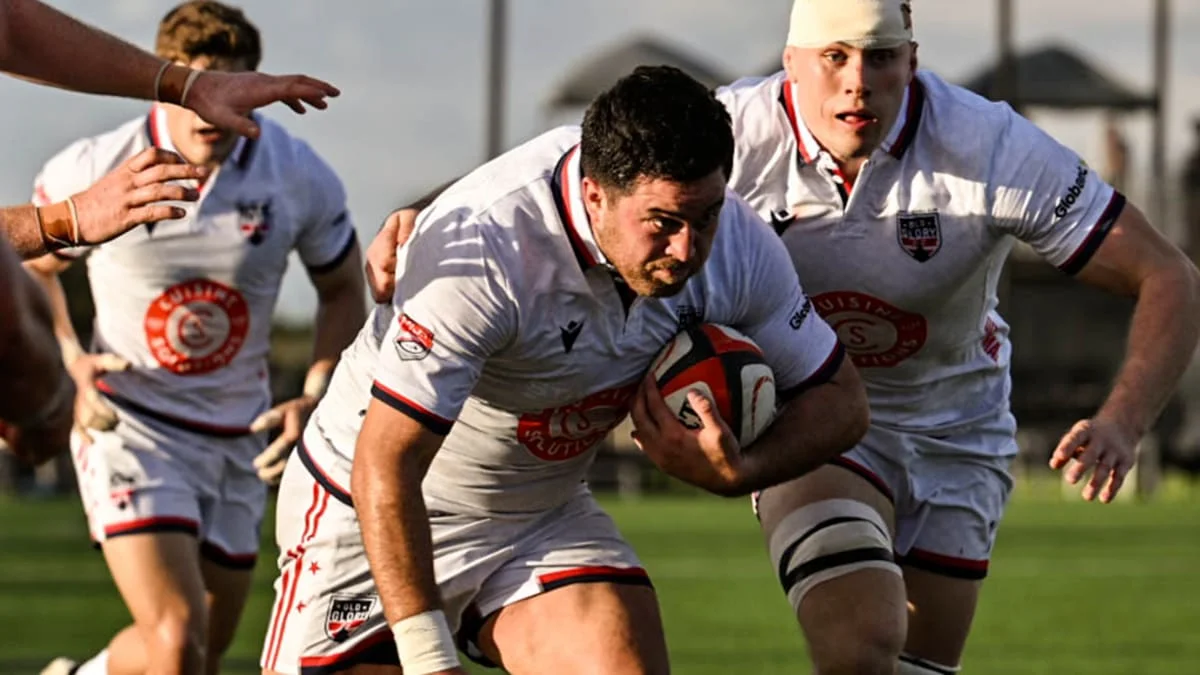
Player Gains: The newly ratified CBA is lauded for enhancing player benefits.
Increased salaries are a key component.
New rights and protections have been established for injured players and free agents.
Health and safety measures have been bolstered.
A clear discipline policy and neutral grievance procedure are now in place.
Future Considerations: While housing was not included in the current agreement, it remains a focus for future negotiations as players seek fair compensation and conditions moving forward.
Economic Flexibility: The CBA includes an economic reopener clause following the 2026 season, allowing for adjustments based on the league's evolving financial situation.
The MLB Salary Cap Debate
The MLB labor dispute centers on a fundamental disagreement over the implementation of a salary cap, a mechanism absent in baseball but prevalent in other major professional sports.
Owner Proposal: Owners are pushing for baseball's first-ever salary cap, arguing it would create a more equitable playing field across all 30 teams. The disparities in spending are evident, with some teams, like the Los Angeles Dodgers, demonstrating significant payrolls, while others lament the difficulty of competing.
Player Opposition: The MLB Players Association has consistently opposed a salary cap, viewing it as a potential impediment to player earning potential and team competitiveness.
Competitive Balance: Critics of a salary cap argue that MLB has achieved a degree of competitive balance without one. However, the persistent financial disparities fuel the owners' argument for structural change.
Team Restructuring and Geographic Adjustments in MLR
The MLR's reduced footprint has also led to strategic realignments of existing franchises. The California Legion, for instance, has undergone a significant shake-up.
Consolidated Operations: The team will now operate with a unique model, playing home matches across multiple venues in San Diego, Los Angeles, and Orange County, rather than being based in a single city.
Ownership Integration: The involvement of former rugby star Sonny Bill Williams in the Legion's ownership group highlights potential growth and long-term investment within the league.
League Evolution: The formation of the California Legion through the unification of existing teams underscores a period of significant structural change within MLR.
Player Lived Experiences and Unionization Drivers
Reports from within the MLR and related sports contexts reveal some of the underlying conditions that have driven player organizing and unionization efforts.
Sub-Minimum Wage Compensation: Some players in the MLR have indicated that their effective pay, given the time invested, falls below minimum wage standards.
Health Coverage Gaps: Player health coverage has been a significant concern, often limited to the playing season, leaving athletes without support for extended periods and potentially delaying necessary medical treatment.
Turf Play and Player Input: Concerns have been raised regarding player safety, including performance on artificial turf fields, and the limited say players have in team assignments.
Historical Precedents: In other sports, such as minor league baseball, players have historically navigated precarious financial situations, with some relying on host families for accommodation and facing difficulties with medical bills, experiences that have galvanized unionization movements.
Expert Insights
"Economics are always front and center in any labor negotiation." - Unnamed MLR Official (as quoted in Sports Business Journal)
This statement underscores the foundational role of financial considerations in shaping the recent MLR-USRPA agreement and provides context for the ongoing discussions within MLB.
"The league had 13 teams at its peak in 2022, but that has since dwindled to only six teams for the upcoming 2026 season." - Sports Business Journal
This observation quantifies the significant contraction MLR has experienced, setting a backdrop for the strategic decisions being made regarding league structure and player agreements.
"Most players are eligible for salary arbitration after three years of MLB service time and can be free agents after six years." - Chicago Tribune
This detail about MLB player eligibility and free agency status is central to the union's position in salary cap negotiations, as it frames the existing system of player advancement and earning potential.
Conclusion and Implications
The simultaneous developments in Major League Rugby and Major League Baseball highlight a critical juncture for professional sports in the United States. MLR's successful negotiation of its first CBA, coupled with a strategic reduction in team numbers, signals an effort to establish a more sustainable and player-centric model. The inclusion of provisions for salary increases, enhanced rights, and health and safety protections marks a significant advancement for rugby athletes in the U.S.
Read More: AI Startups Change Consulting Business Data and Strategy in 2024
Conversely, MLB finds itself at a potential inflection point. The owners' push for a salary cap, met with staunch opposition from the MLB Players Association, raises the possibility of a work stoppage. The outcome of these negotiations will undoubtedly shape the future economic landscape of professional baseball, impacting competitive balance and player compensation for years to come.
The contrasting situations underscore distinct challenges and approaches to league management and player relations. MLR's focus on foundational player protections and league stability through contraction contrasts with MLB's high-stakes negotiation over revenue distribution and competitive parity. The coming months will reveal the trajectory of both leagues as they navigate these significant labor and structural transitions.
Sources Used:
Major League Rugby:
https://www.majorleague.rugby/ - Official league news and press releases.
https://goffrugbyreport.com/news/mlr-players-association-reach-agreement - Reporting on the MLR-USRPA agreement.
https://www.majorleague.rugby/news - General MLR news updates.
https://www.majorleague.rugby/news/mlr-monthly-change-challenges-and-big-moves-ahead-of-2026 - MLR outlook for 2026.
MLB Labor Issues:
https://lasvegassun.com/news/2026/feb/11/as-mlb-gears-up-for-new-season-union-fight-and-pot/ - Overview of MLB labor dispute and potential lockout.
https://www.chicagotribune.com/2025/12/04/mlb-players-union-labor-negotiations/ - MLB Players Union preparing for negotiations.
https://www.espn.com/mlb/story//id/47108752/mlb-labor-battle-cba-salary-cap-owners-players-union-mlbpa-faq-manfred - Detailed FAQ on MLB labor and salary cap.
MLR Team and League Dynamics:
https://www.sportsbusinessjournal.com/Articles/2026/02/11/major-league-rugby-secures-first-cba-with-players - Report on MLR securing its first CBA.
https://www.rugbypass.com/news/mlr-confirms-major-shake-up-impacting-one-of-its-biggest-clubs/ - MLR team restructuring, specifically the California Legion.
https://thenationalmaul.substack.com/p/what-if-mlr-being-reduced-to-six - Analysis of MLR's reduction to six teams.
https://www.theguardian.com/sport/2023/jun/06/major-league-rugby-players-union-owners - Player realities and concerns within MLR.
https://thenationalmaul.substack.com/p/whats-next-for-mlr-us-mens-pro-league - Discussion on MLR's future and player issues.
Broader Sports Labor Context:
https://prospect.org/2026/02/12/feb-2026-magazine-sports-minor-league-baseball-union-collective-bargaining-covid/ - Historical context of player organizing in sports.