The head of refereeing for UEFA, Roberto Rosetti, has voiced concerns that Video Assistant Referee (VAR) technology is being used too extensively, leading to overly "microscopic" interventions that disrupt the flow of the game. Rosetti argues that while VAR is effective for clear factual decisions, its application in subjective situations is causing more debate than it resolves. This call for a less intrusive approach comes amid ongoing discussions about the technology's impact on football matches, particularly in major European competitions.
The Debate Over VAR's Role in Football
The introduction of VAR was intended to reduce controversies and ensure correct decisions on the field. However, its implementation has become a point of contention among players, coaches, and fans. Rosetti's statements suggest a sentiment within UEFA that the technology's current usage may be counterproductive to the spirit and flow of the game.
Read More: Phil Jones Becomes Coach at Blackburn Rovers
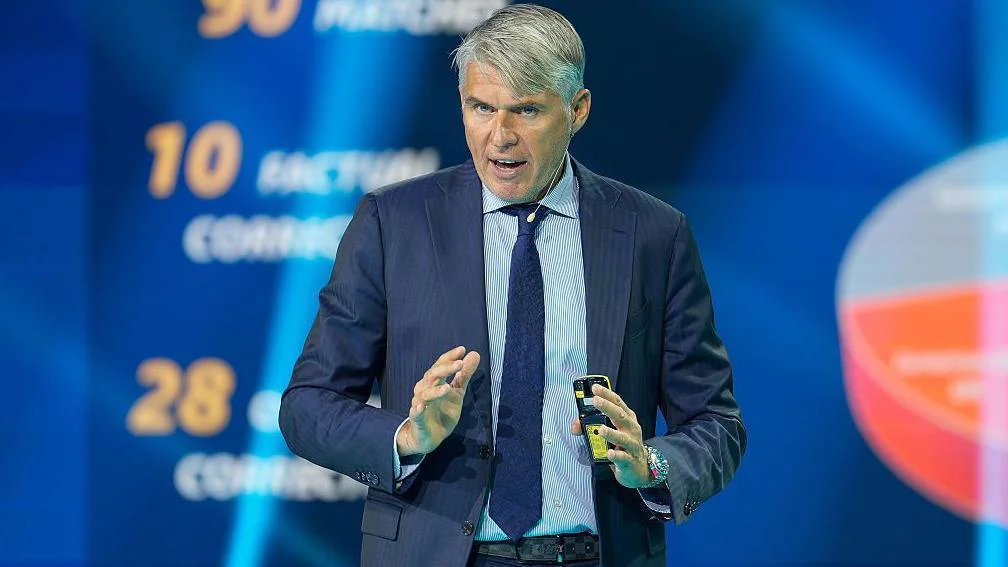
"We cannot go in this direction of microscopic VAR intervention… eight years ago, I came to London. That’s why we started to speak about clear and obvious mistakes — clear evidence." - Roberto Rosetti, UEFA Head of Refereeing.
The core of the issue appears to be the balance between technological assistance and the referee's on-field authority. While objective calls like offside are generally accepted as benefiting from VAR, subjective judgments are proving more problematic.
Microscopic Scrutiny and Subjective Calls
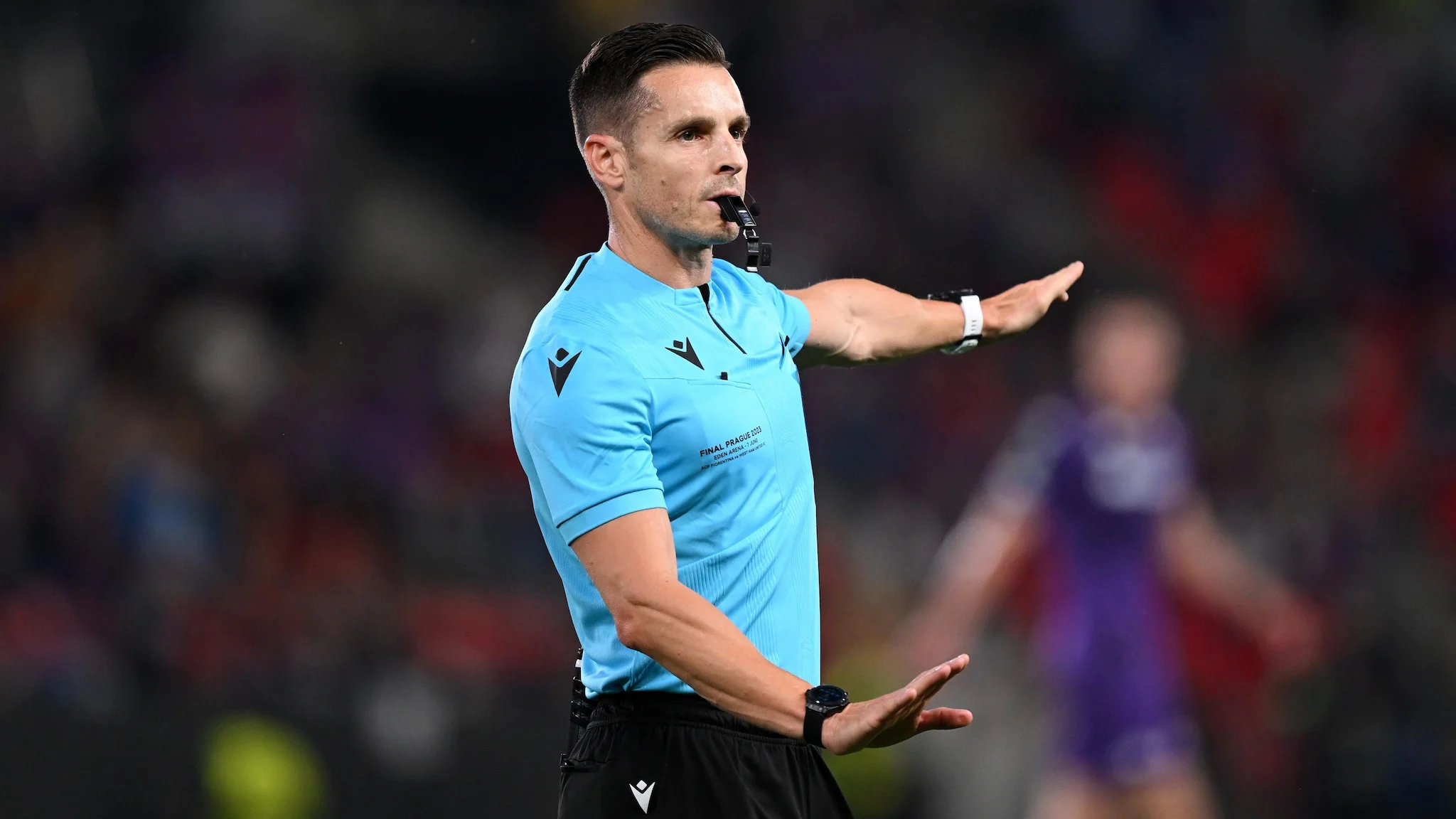
Rosetti has pointed out that certain decisions, when viewed in extreme slow motion, can appear more significant than they are in real-time.
Subjective Situations: These are areas where VAR's intervention is leading to a disproportionate number of stoppages.
Factual vs. Subjective: While technology excels at objective calls (e.g., offside lines), it struggles with the nuanced interpretation of fouls or handballs.
Physical Contact: Rosetti mentioned that "small pushes, small holding, small details" are being penalized more frequently, impacting what is considered part of the game's natural physicality.
Read More: Australia Wins Two Medals in Close Canoe Races
This detailed examination, often in slow motion, can lead to decisions that seem overly harsh or pedantic when viewed against the natural flow of a match.
Varying Interpretations Across Leagues
A significant challenge highlighted is the inconsistent application of VAR protocols across different football leagues.
Premier League Approach: The Premier League has been noted for its lower rate of on-field reviews, with 0.15 per match, which is less than half the average seen in the men's Champions League. This suggests a more lenient stance on interventions.
La Liga's Over-reliance: In contrast, La Liga has been criticized for excessive VAR interventions, with each VAR check adding an average of 8.2 minutes of stoppage time per match. This is seen as significantly disrupting game flow compared to UEFA's more restrained approach.
UEFA's Stance: UEFA, through figures like Rosetti, appears to be advocating for a return to the original intent of VAR – addressing only "clear and obvious mistakes."
Read More: Tottenham Hotspur Looks for New Coach After Firing Thomas Frank
The differing philosophies create a complex landscape where teams playing in multiple competitions might experience varying standards of officiating.
Impact on Game Flow and Fan Experience
The extensive use of VAR has been linked to a diminished fan experience and a perceived loss of spontaneity in matches.
Delayed Celebrations: Fans and players often hesitate to celebrate goals fully, awaiting VAR confirmation, which can dampen the emotional aspect of the game.
Reduced Game Flow: Frequent interruptions for reviews disrupt the rhythm and tempo of matches, a concern raised by Rosetti and observed in leagues like La Liga.
Controversy Persistence: Despite its purpose, VAR has itself become a source of controversy, as seen in incidents like the one involving Atlético Madrid. This paradox suggests that the technology, while intended to reduce disputes, may be amplifying them.
UEFA's Referee Development and VAR Implementation
UEFA is actively involved in the development and management of refereeing, including the use of technology.
Read More: Mark McMorris Cleared for Olympic Slopestyle After Crash
Central Management: UEFA centrally manages technologies like Goal-Line Technology (GLT) in its tournaments.
VAR Structure: In UEFA matches utilizing VAR, a typical setup includes a Video Assistant Referee, an Assistant VAR, and two video operators.
Referee's Authority: The protocol, as outlined by IFAB, emphasizes that only the referee can initiate a review, and they must always make the final decision, not merely accept the VAR's suggestion. The VAR's role is to recommend a review for "clear and obvious" errors.
This structure underscores the intention for VAR to be an aid, not a replacement, for the on-field official.
Conclusion and Future Considerations
Roberto Rosetti's remarks highlight a growing concern within UEFA about the over-application of VAR. The sentiment is that the technology is becoming too intrusive, particularly in subjective matters, and is detracting from the natural flow and enjoyment of football.
Read More: Tottenham Hotspur May Bring Back Old Manager or Executive
Call for Restraint: UEFA appears to be advocating for a more judicious and less "microscopic" use of VAR, focusing on clear and obvious errors rather than minute details.
League Discrepancies: The variance in VAR application across different leagues presents a challenge for international competitions.
Balancing Act: The ongoing debate revolves around finding an equilibrium that leverages technology for accuracy without sacrificing the essential human element and flow of the game.
Moving forward, UEFA's stance may influence how VAR is implemented in its own competitions and potentially encourage a broader re-evaluation of its use at domestic levels. The focus is likely to remain on ensuring that VAR serves as a tool to correct egregious errors, rather than a constant impediment to the game.
Sources
BBC Sport: https://www.bbc.co.uk/sport/football/articles/cn8zlp3gepyo
Summary: Discusses UEFA refs' chief Roberto Rosetti's view on VAR becoming too "microscopic" and affecting subjective calls, alongside a mention of Arsene Wenger's offside proposal and differing league interpretations.
The Athletic (NYT): https://www.nytimes.com/athletic/7044120/2026/02/13/uefa-var-microscopic-roberto-rosetti/
Summary: Reports on Rosetti's comments regarding "microscopic VAR intervention" and contrasts the Premier League's lower on-field review rate with the general trend.
The Guardian: https://www.theguardian.com/football/2025/mar/13/var-controversy-atletico-madrid-uefa
Summary: Highlights controversies stemming from VAR, including an Atlético Madrid incident, and notes clubs in Norway and Wolves calling for VAR abolition, while the Premier League defends its increased accuracy.
UEFA: https://www.uefa.com/development/referees/referee-development/
Summary: Details UEFA's referee development programs and the structure of VAR implementation in their matches.
Brave (Vocal Media): https://vocal.media/cleats/a-look-at-uefa-s-controversial-decisions-var-and-beyond
Summary: Provides an overview of controversial decisions in UEFA competitions, with VAR being a prominent recent factor, and its impact on player and fan anticipation.
The Independent: https://www.independent.co.uk/sport/football/var-uefa-premier-league-english-bjorn-kuipers-b1883975.html
Summary: Features UEFA refs chief Roberto Rosetti hoping domestic leagues adopt a "light touch" to VAR, warning of its dangers if not used appropriately, and citing examples of over-penalization in slow motion.
ScienceDirect: https://www.sciencedirect.com/science/article/pii/S2772662223000723
Summary: A systematic review of literature on VAR in soccer, examining its challenges and opportunities in sports analytics, and noting its early stage of development.
IFAB: https://www.theifab.com/laws/latest/video-assistant-referee-var-protocol/
Summary: Outlines the official Video Assistant Referee (VAR) protocol, emphasizing the referee's ultimate decision-making authority and the VAR's role in recommending reviews for clear errors.
ESPN: https://www.espn.com/soccer/story//id/38290857/how-var-changed-soccer-most-controversial-moments
Summary: Explores historical controversial moments in soccer and how VAR could have potentially altered their outcomes, offering hypothetical scenarios of its impact.
Managing Madrid: https://www.managingmadrid.com/2025/2/18/24367858/ancelotti-is-right-the-data-shows-la-ligas-refereeing-is-more-inconsistent-and-overreliant-on-var
Summary: Presents data suggesting La Liga's overreliance on VAR leads to inconsistency and disrupts game flow, contrasting its approach with UEFA's more restrained use.
Slashdot: https://tech.slashdot.org/story/25/03/14/1746200/var-technology-faces-backlash-following-champions-league-controversy
Summary: Discusses backlash against VAR technology, noting its role in creating more controversy than it resolves and highlighting inconsistencies in its technical implementation across different competitions.
Read More: Ice Skating Group Explains Scoring After Questions