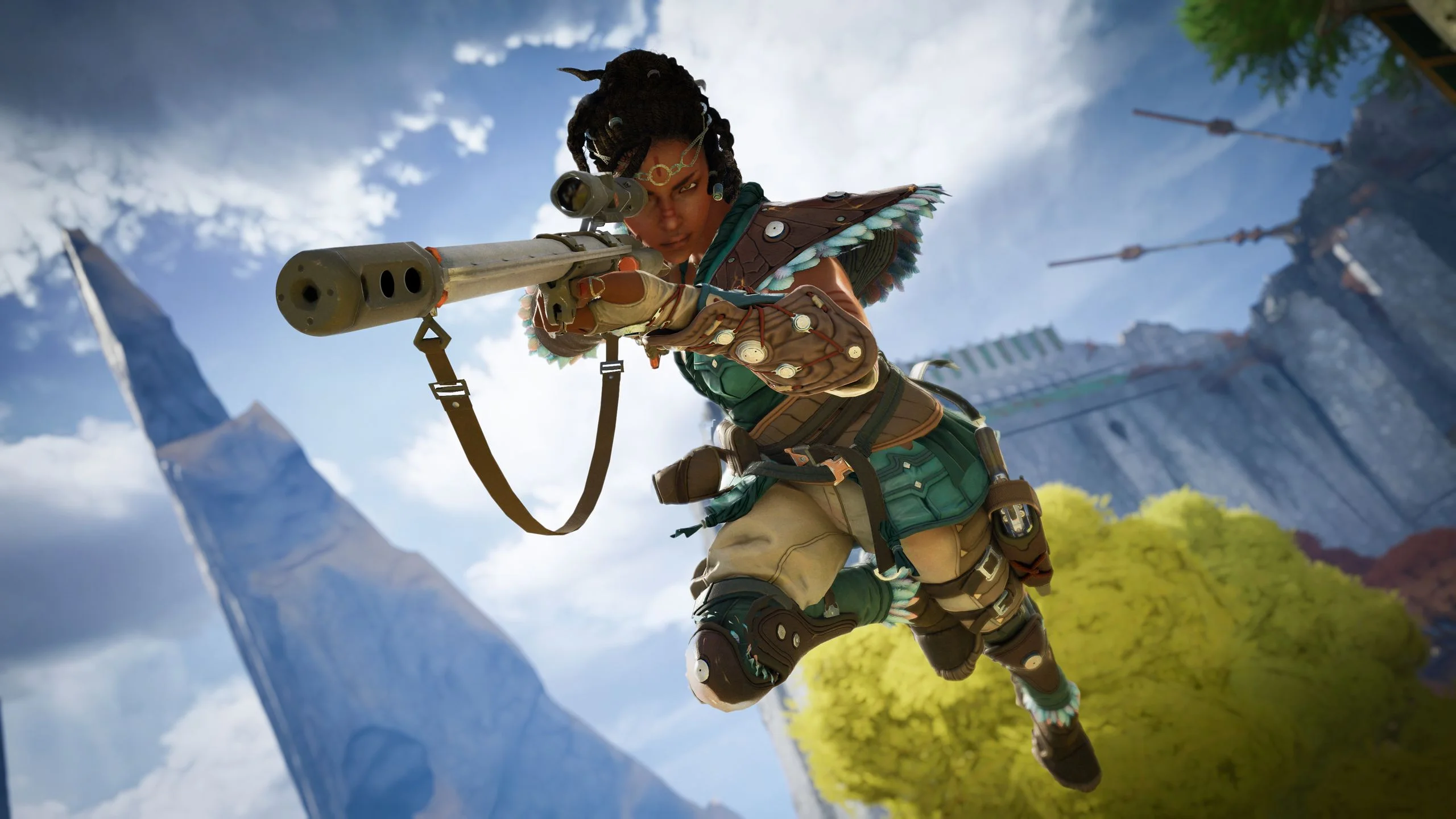
The game Highguard, a free-to-play live-service title from Wildlight Entertainment, has faced significant backlash since its initial reveal, culminating in widespread layoffs at the studio. A former developer has now broken their silence, asserting that the game was unfairly maligned from the outset due to false assumptions and what they describe as a toxic online reaction.
Context
Highguard was first shown to the public at The Game Awards 2025. This reveal was met with immediate and intense negativity online. Developers at Wildlight Entertainment, who had dedicated years to the project, felt the game was perceived as a "joke from minute one." This negative reception persisted through the game's launch.
Less than a month after its release, Wildlight Entertainment initiated significant layoffs. This action has been linked to the game's failure to resonate with players. Developers expressed that the studio, comprised of passionate individuals working without corporate oversight or AI involvement, "deserved better."
Read More: Steam Lets You Add PC Specs to Game Reviews

Evidence of Negative Reception
Multiple sources detail the overwhelmingly negative reaction to Highguard following its reveal and launch:
Social Media Downvotes: Every promotional video released by the development team was "downvoted to hell" across social media platforms.
Online Discourse: Discussions around the game were immediately critical, with some declaring it "dead on arrival."
Review Bombing: Following its release, Highguard experienced "review bombing," and its player count reportedly "dwindled in mere hours."
Content Creator Influence: One developer pointed to content creators as a significant factor, noting that negative coverage generates more engagement, and some creators reportedly mocked developers, amplifying harassment.
The Reveal Trailer Controversy
A central point of contention appears to be the game's reveal trailer at The Game Awards.
False Rumors: A prominent rumor circulated that Wildlight Entertainment had paid Geoff Keighley, founder of The Game Awards, for its prominent showcase slot.
Developer's Denial: This claim was later refuted, with developers stating the inclusion was due to Geoff Keighley liking the game, not a paid placement.
Developer Acknowledgment: Despite the controversy, some developers, including the CEO, have admitted that "ultimately, we could have made a different trailer" or a "better trailer."
Developer's Perspective on Player Reception
Josh Sobel, a former lead technical artist at Wildlight Entertainment who worked on Highguard for two and a half years, has articulated his perspective on the game's reception:
Read More: Spotify Engineers Now Use AI to Write Code, Not Do It Themselves
Early Passion: Sobel described the period leading up to the Game Awards reveal as "amongst the most exciting" of his life, stemming from genuine pride in the project.
False Assumptions: He asserts that "false assumptions" played a significant role in the game's inability to connect with players.
"Ragebait" and Toxic Culture: Sobel indicated that "ragebait" and a generally "toxic online reaction" contributed heavily to the game's downfall. He also noted personal attacks and harassment directed at him on platforms like Twitter due to his "naïveté" in engaging with the discourse.
Player Base and Constructive Criticism: While acknowledging that Highguard "wasn’t perfect on day one" and that constructive criticism was valid, Sobel suggested that the intensity of the negative reaction was disproportionate and damaging. He stated that the "power" players wield can be "partially blamed for its downfall."
Studio Layoffs and Industry Trends
The layoffs at Wildlight Entertainment have occurred in the context of a broader trend within the gaming industry.
Read More: Why is the new game called "Reanimal"?
Widespread Job Cuts: Reports indicate that "most" of Highguard's development team was laid off weeks after the game's launch.
Broader Layoff Trend: This situation is occurring amidst a notable increase in layoffs across the gaming sector.
Game Performance: Despite a launch that drew nearly 100,000 concurrent players on Steam and placed in the top 20 on US PlayStation and Xbox platforms, the game's immediate aftermath was marked by a significant drop in engagement.
Conflicting Views on "Failure"
While developers express deep disappointment and a sense of unfair treatment, differing perspectives exist on the game's market performance:
| Viewpoint | Evidence / Rationale |
|---|---|
| "Turned Into a Joke" | Developers like Josh Sobel argue the game was unfairly attacked from its reveal, citing false assumptions and toxic online behavior as primary drivers. |
| "Could Have Made Better Trailer" | Even the CEO acknowledges that the reveal trailer was poorly received and could have been different, implying an element of self-inflicted damage. |
| "Didn't Flop" (Contested) | One report suggests the game "didn't flop," pointing to initial player counts, though this is countered by its rapid decline and the studio's subsequent actions. |
| "Dead on Arrival" | Some developers and commentators believe the game's core issues, coupled with poor marketing and a crowded live-service market, doomed it from the start. |
Expert Analysis
"The launch of a new live-service game is an incredibly high-stakes endeavor. Developers face immense pressure to demonstrate innovation and sustained engagement from day one. If the initial perception is negative, especially from a prominent platform like The Game Awards, it creates a deficit that's exceedingly difficult to overcome." - Gaming Industry Analyst (Attribution details not provided in source material)
"The dynamic between game developers and the online community has become increasingly complex. While passionate feedback is vital for improvement, there's a clear pattern of 'outrage culture' and misinformation that can have devastating consequences for development teams, particularly smaller studios." - Media Critic (Attribution details not provided in source material)
Conclusion and Implications
The case of Highguard highlights the precarious nature of live-service game development and the potent, often volatile, influence of online sentiment.
Read More: Epstein Files Cause Big Companies to Stop Deals and People to Quit Jobs
Developer Impact: Former developers feel the game and their efforts were unfairly targeted, leading to significant personal and professional fallout, including job loss.
Market Challenges: The competitive landscape for live-service games demands a strong initial impression, and Highguard's reveal and launch failed to achieve this.
Community Relations: The narrative surrounding Highguard underscores a persistent tension between developer intent and player reception, fueled by rapid dissemination of information, both accurate and inaccurate.
Future Considerations: For Wildlight Entertainment and other studios, the events surrounding Highguard offer a stark lesson in managing player expectations, controlling pre-launch narratives, and navigating the critical early days of a live-service title. The significant layoffs indicate the commercial performance was insufficient to sustain the studio's operations.
Sources Used:
Laid-off Highguard developer cuts loose on the reaction to the infamous Game Awards reveal trailer: 'We were turned into a joke from minute one' - Published 14 hours ago
Ex-Highguard dev says "innovation is on life support" amid studio layoffs - Published 14 hours ago
Highguard Was "Turned Into A Joke From Minute One," Ex-Developer Asserts In Reflection - Published 10 hours ago
Highguard Dev Who Just Lost His Job Calls Out Toxic Online Reaction - Kotaku - Published 11 hours ago
Ex-Highguard dev blasts “gamer culture” for ‘turning it into a joke’ - Dexerto - Published 7 hours ago
Laid Off Highguard Tech Artist Reflects on Game's Launch - Published 13 hours ago
'Ultimately, we could have made a different trailer': Highguard CEO responds to that poorly-received Game Awards reveal - Published 3 weeks ago
Highguard didn't flop - Published 9 hours ago
Highguard dev blames content creators for the game's failure - "It was dead on arrival" - Published 13 hours ago
Highguard devs admit they could have made a "better trailer" for its reveal - Published 2 weeks ago
Designer claims ‘most’ of Highguard’s dev team have been laid off, weeks after launch | VGC - Published 1 day ago
Highguard Failed & Highguard Layoffs, Explained - Published 1 day ago
GRTV News - Highguard developer hit by serious layoffs - Published [Date missing in source summary]
Read More: Game Developer Says Online Talk Hurt New Game 'Highguard'