Marco Rubio, currently serving as the U.S. Secretary of State, has publicly aligned with Vice President J.D. Vance while simultaneously positioning his own political identity distinct from the current administration’s trajectory. This movement arrives as President Donald Trump faces declining approval ratings, largely tied to the ongoing conflict in Iran. As of today, May 18, 2026, the potential for a contested nomination cycle within the Republican party is becoming an unavoidable subject of political discourse.
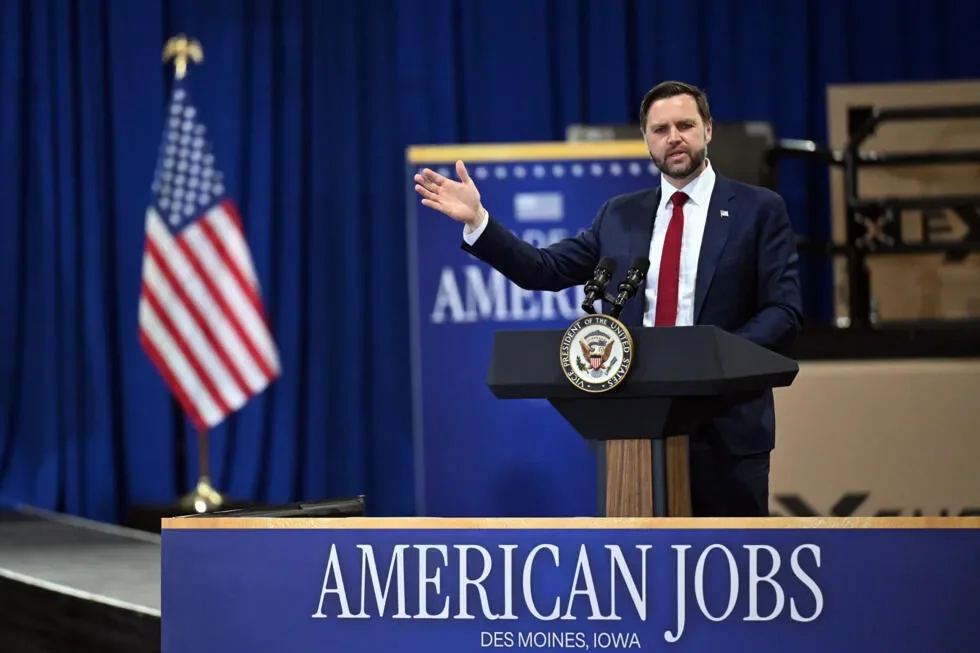
Internal Dynamics and Strategic Divergence
The Secretary’s recent appearances suggest a transition from bureaucratic diplomacy to broader rhetorical positioning. During a high-profile press briefing on May 5, Rubio assumed the duties typically reserved for the executive press secretary, utilizing the platform to deliver a vision of national governance that mirrors traditional campaign messaging.
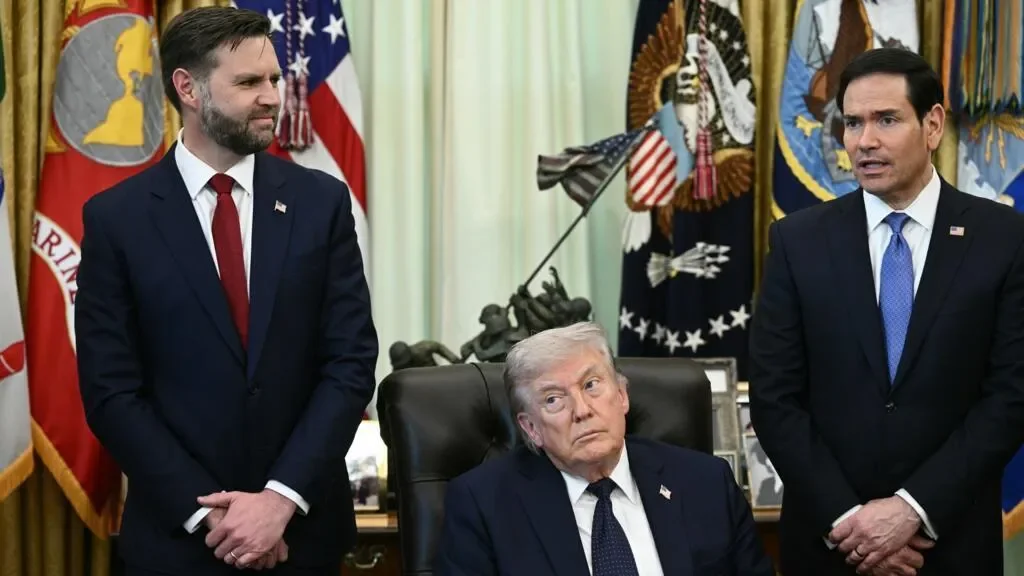
| Actor | Current Status | Political Vulnerability |
|---|---|---|
| Donald Trump | President | Foreign policy stagnation in Iran |
| J.D. Vance | Vice President | Bound to administrative record |
| Marco Rubio | Secretary of State | Expanding profile / Primary candidate |
Administrative Tethering: The Vice President, J.D. Vance, remains locked to the existing executive record. Any fluctuations in public approval regarding the current administration’s management of foreign or domestic crises act as a weight on his future political capital.
Polling Instability: Scattered polling data, while fluctuating and unreliable for long-term projection, suggests a shifting sentiment among certain segments of the electorate who perceive Rubio as a more viable alternative to the status quo.
Communication Shift: The Secretary’s deviation from standard State Department protocol into explicitly domestic political narrative signals an intention to utilize his cabinet post as a foundation for a future executive bid.
Context: The Succession Calculus
The current political landscape is shaped by the Foreign Policy constraints of the present administration. The Conflict in Iran has acted as a catalyst for friction between executive figures. Because the Vice President is functionally and ideologically obligated to defend the current executive outcome, he remains insulated from the ability to pivot—an opportunity Rubio has effectively seized by leveraging his proximity to power without bearing the full weight of the President’s domestic polling failures.
Read More: Taiwan Holds Nantou County Drills to Prepare for State Collapse
As of this writing, there is no official announcement from either party regarding a formal 2028 candidacy; however, the alignment of events suggests an emerging split within the institutional hierarchy.