Scott Hastings, the celebrated Scottish rugby union player and cornerstone of the 1990 Grand Slam team, has died at age 61. His death was announced by his family—son Corey and daughter Kerry-Anne—who stated he passed away peacefully following a rapid deterioration linked to his ongoing treatment for non-Hodgkin’s lymphoma.
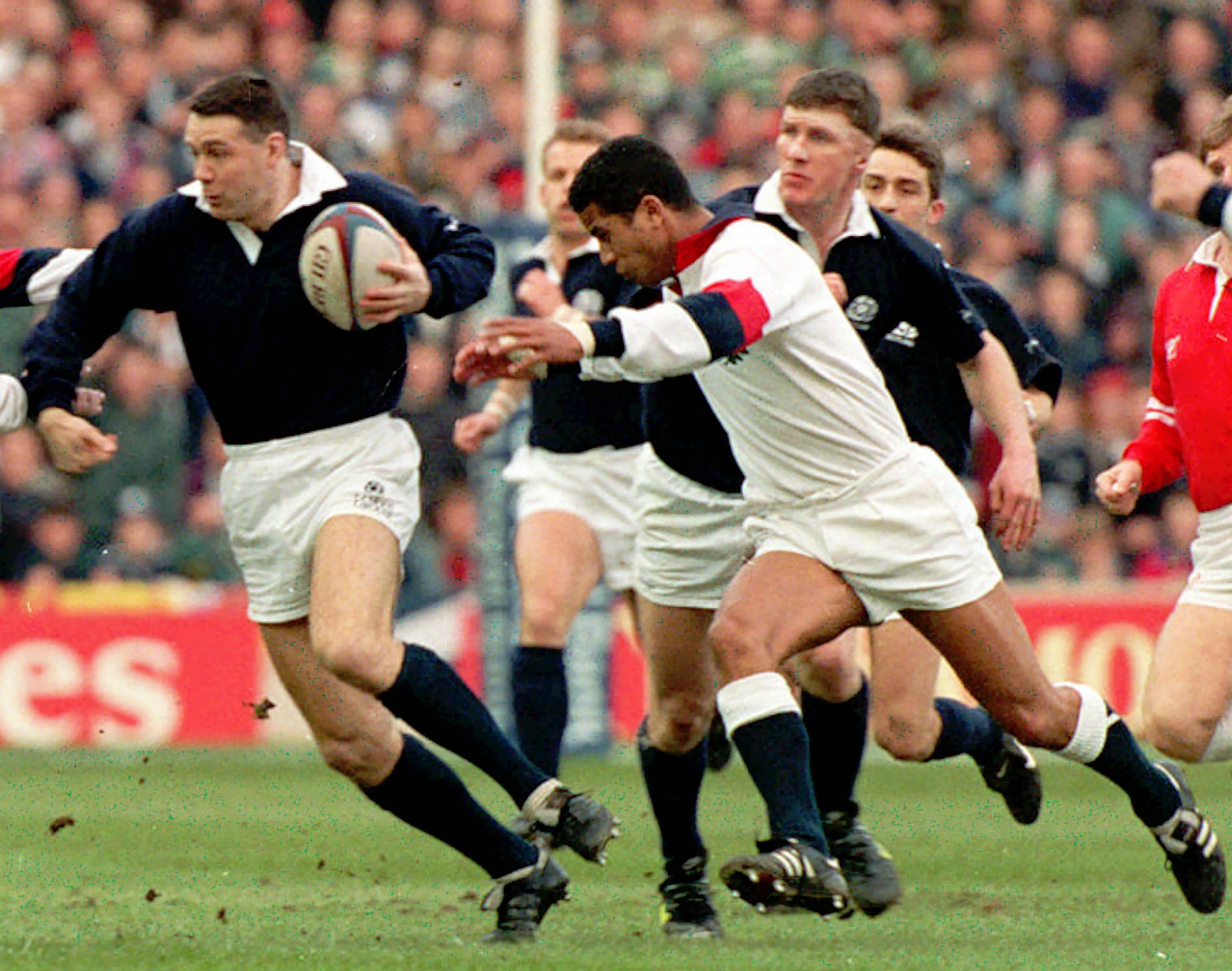
The former centre, who earned 65 international caps, leaves a record defined by 11 years of professional commitment and a tactical presence in the 1989 British & Irish Lions tour.
Career Milestones and Legacy
Hastings’ career was marked by a persistent partnership with his older brother, Gavin. Their synchronized progression through the international ranks established a period of high performance for Scottish rugby.
| Metric | Detail |
|---|---|
| Total Caps | 65 |
| Key Achievement | 1990 Five Nations Grand Slam |
| Lions Tours | 1989 (Australia), 1993 (New Zealand) |
| Club Affiliation | Watsonians (20+ years) |
His debut occurred in 1986 against France, the same fixture as his brother's.
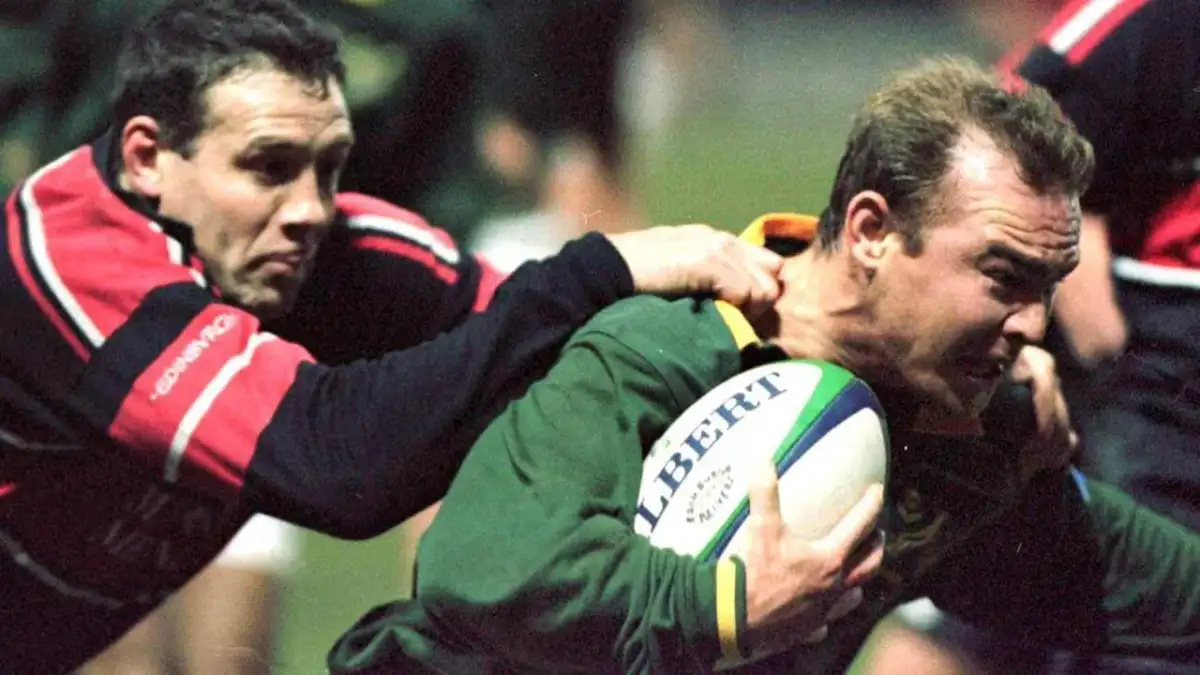
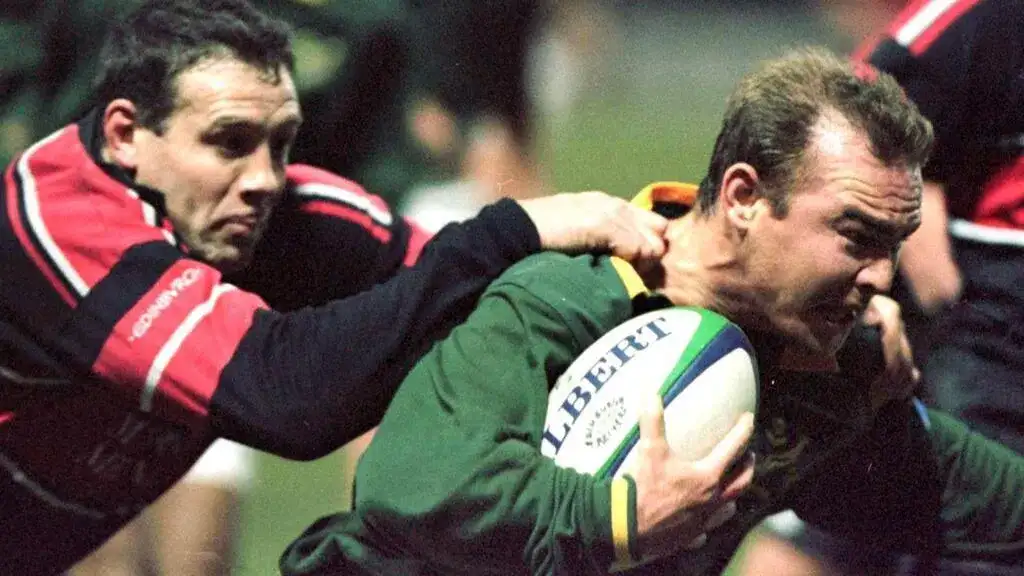
During the 1989 British & Irish Lions tour, his involvement in the "Battle of Ballymore" against Australia solidified his reputation for defensive tenacity.
Post-retirement, he transitioned into sports broadcasting, maintaining a visible public profile.
Personal Advocacy and Character
Beyond the pitch, Hastings’ life was framed by private struggles and public service. Following the death of his wife, Jenny, he became a vocal advocate for mental health charities. Peers have characterized him as a man of extreme single-mindedness, noting that his approach to sport—often described as a "force of energy"—was mirrored in his approach to personal challenges.
Read More: FIFA World Cup 2026 Revenue Reaches $15 Billion With New Ticket Prices
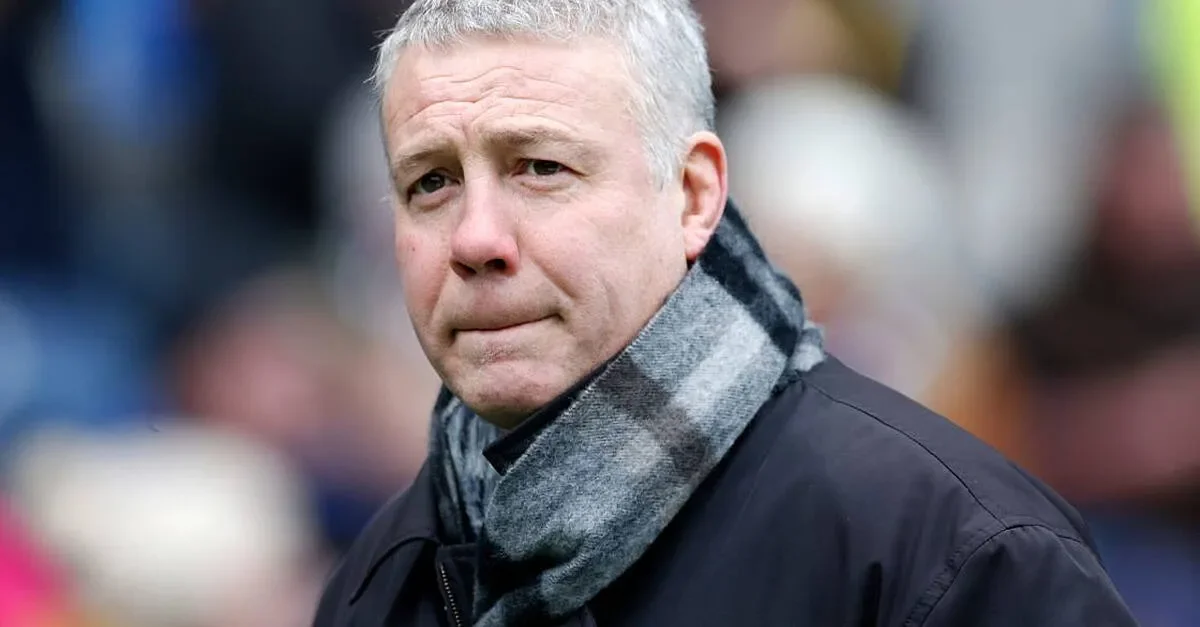
"He was so single-minded and determined about winning. You knew he would never let you down for effort." — Various sporting associates.
Historical Context
The departure of Hastings occurs four years after his public disclosure regarding his cancer diagnosis. While the sporting world emphasizes his role as a "true sportsman," his legacy remains bifurcated: one half existing in the official records of 1990s international rugby, the other rooted in his later efforts to address the intersection of personal grief and mental health awareness. His passing concludes a significant chapter of late 20th-century Scottish athletics, marking the loss of one of the few remaining figures from the 1990 era.