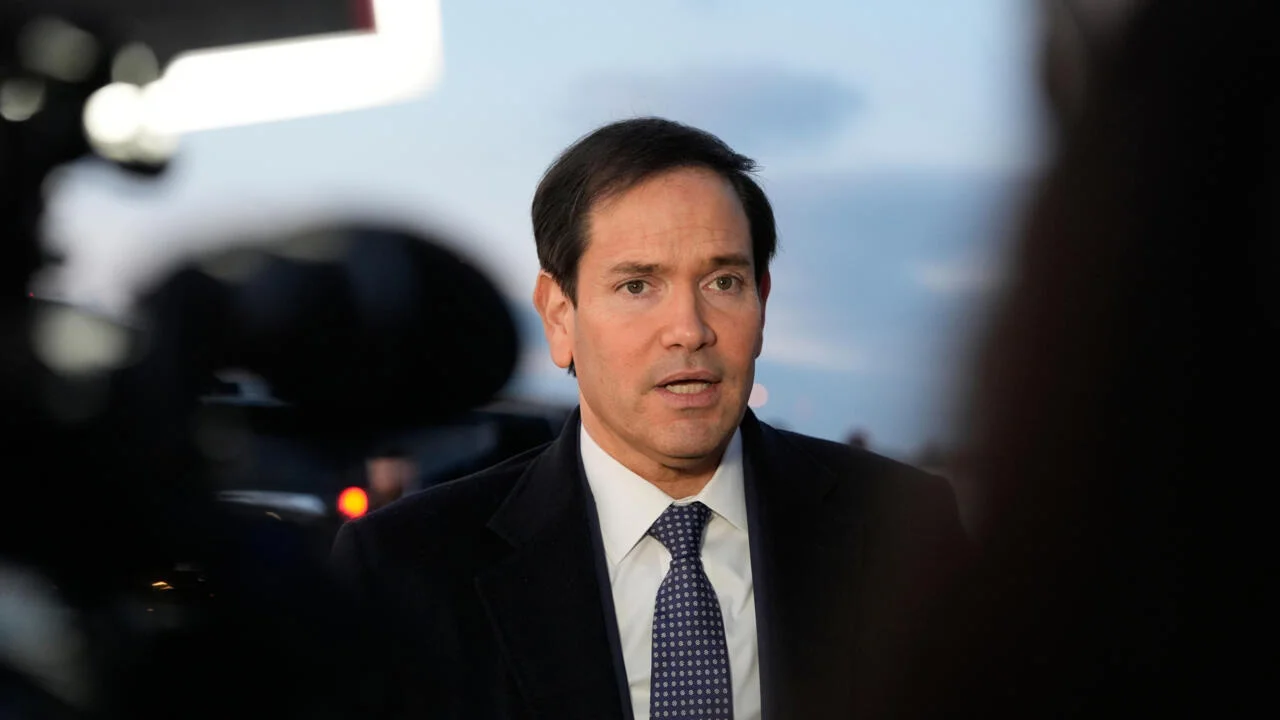
US Secretary of State Marco Rubio is leading a substantial American delegation to the Munich Security Conference, an event unfolding against a backdrop of deepening unease between the United States and its European allies. The conference, a key forum for discussing global security, is expected to be dominated by concerns over trade imbalances, the future of the transatlantic alliance, and the impact of President Donald Trump’s policies. European leaders are seeking assurances and clarity on America's commitments, particularly as past statements from the Trump administration have caused considerable friction.

Background and Preparations
Secretary Rubio's attendance at the Munich Security Conference is noteworthy due to the current state of US-Europe relations. The US delegation he leads is described as sizable, underscoring the importance of the event.
Timing: The conference occurs at a pivotal moment, marked by deepening mistrust between Washington and its European partners.
Key Issues: Discussions are anticipated to revolve around security, trade, and the fundamental future of the transatlantic alliance.
European Expectations: Leaders across Europe are warily awaiting Rubio’s arrival, hoping for a brief reprieve from the perceived inconsistency and threats that have roiled transatlantic relations.
Previous US Engagement: Last year's attendance by US Vice President JD Vance reportedly did not strike the most diplomatic tone, leading to hopes that Rubio will adopt a more reassuring stance.
Broader Diplomatic Tour: Following the Munich conference, Rubio is scheduled to visit Slovakia and Hungary, indicating a broader engagement with Central European allies.
Points of Contention and Expected Discussions
The diplomatic landscape leading up to the Munich Security Conference is characterized by several significant issues that are expected to shape the discussions.
Read More: US Sends Second Big Ship to Middle East

Trade Relations: Rubio has previously characterized the US stance on trade as a response to unfair imbalances. This suggests that trade policy will be a prominent topic, with European nations likely seeking to address these perceived inequities.
Presidential Rhetoric: President Donald Trump’s often inconsistent policies and threats have significantly strained relationships. His administration’s approach, characterized by transactional relations, has unsettled allies accustomed to a more established international order.
Greenland Issue: Rubio anticipates being questioned about Greenland, a territory President Trump has expressed interest in the US acquiring. While this has been framed by US officials as a security concern tied to Russia and China, distancing from the President's more incendiary rhetoric, the topic itself highlights underlying anxieties about US intentions.
Ukrainian Conflict: The ongoing conflict in Ukraine remains a critical concern. Rubio has confirmed he expects to meet with Ukrainian President Volodymyr Zelenskyy at the conference. This meeting will likely focus on continued Western support for Ukraine, especially in light of events such as a recent Russian drone attack in Ukraine's Odesa region.
Diplomatic Nuances and Allied Perspectives
European perspectives on the current US administration's approach vary, with some leaders attempting to navigate the unpredictable policy landscape.
Read More: German Leader Says Old World Order Is Over, Europe Needs to Be Stronger

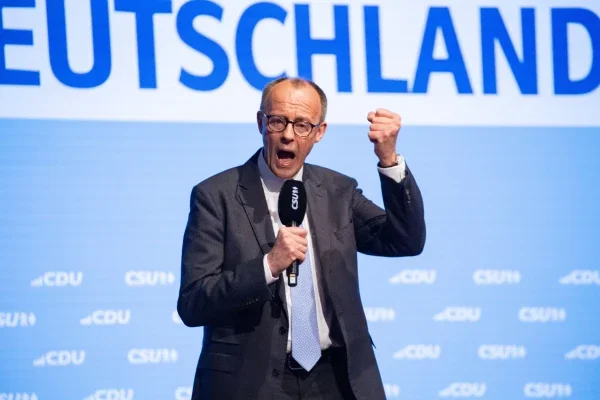
Middle-of-the-Road Stance: German Chancellor Friedrich Merz, whom Rubio is scheduled to meet, has tried to adopt a middle line in response to Trump’s unpredictability. This suggests an effort to maintain dialogue and find common ground amidst uncertainty.
Calls for Burden Sharing: Rubio is expected to push Europe to share the burden on matters of common defense. This indicates a US desire for increased contributions from European allies in security matters.
Seeking Reassurance: Allied nations are looking for reassurance and are hoping Rubio's speeches will offer some reassurance, particularly in contrast to what some perceive as "wrecking-ball politics" driven by President Trump.
Strategic Interests: The US framing of issues like Greenland as a security concern tied to Russia and China suggests an attempt to align American actions with broader geopolitical strategies, even when diverging from the President's more overt statements.
Expert Observations
Daniel Fried, a former assistant secretary of state for Europe and Eurasia, has noted that the current period is one where Washington and its allies are grappling with deepening mistrust. His observations highlight the testy times for US-Europe ties, suggesting that the Munich Security Conference will be a critical juncture for attempting to mend these relations. The conference attendees are looking for Rubio's address to provide a clearer, more diplomatic tone that can offer the stability many allies have come to expect from the transatlantic partnership.
Conclusion and Implications
Secretary Marco Rubio’s presence at the Munich Security Conference signals the United States’ engagement with its European partners during a period of significant transatlantic strain. The conference provides a crucial platform for addressing complex issues ranging from defense commitments and trade disputes to the broader geopolitical implications of US policy. European nations are keenly observing the proceedings, seeking tangible signs of continued American commitment and a return to a more predictable and collaborative approach to global security. The success of these diplomatic efforts will likely be measured by the extent to which Rubio can assuage anxieties and reinforce the enduring value of the alliance, despite the internal political currents influencing US foreign policy. The discussions surrounding defense burdens, trade imbalances, and geopolitical strategy will be pivotal in shaping the future direction of US-Europe relations.
Read More: Epstein Files Cause Big Companies to Stop Deals and People to Quit Jobs
Sources:
The Guardian: https://www.theguardian.com/world/live/2026/feb/13/munich-security-conference-rubio-flies-in-amid-testing-times-for-us-europe-ties-live
Associated Press: https://apnews.com/article/munich-security-conference-europe-rubio-vance-7298f12621d1e977909d6533d20f9692
France 24: https://www.france24.com/en/europe/20260213-live-rubio-says-he-will-have-chance-to-meet-ukraine-s-zelensky-at-munich-security-forum
Radio Free Europe/Radio Liberty: https://www.rferl.org/a/rubio-us-europe-munich-hungary-slovakia/33674060.html