Key Takeaways:
German Chancellor Friedrich Merz has publicly declared that the world order as previously understood is no longer in effect.
Merz emphasizes a significant shift in transatlantic relations, noting the end of "Pax Americana" for Europe.
He calls for a strengthened European pillar within NATO and is exploring European nuclear deterrence options.
Germany aims to pragmatically shape a new global landscape, focusing on its and Europe's interests.
Shifting Global Tides and Europe's Place
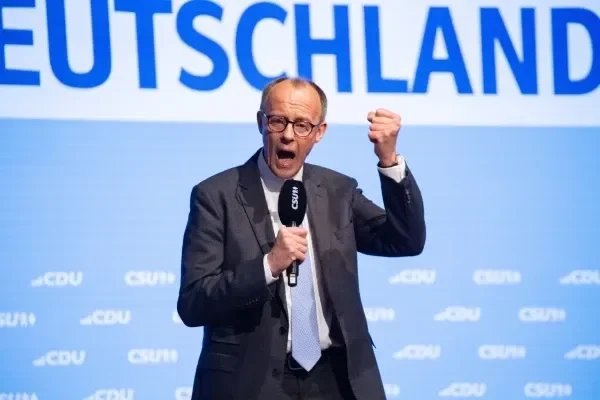
Recent pronouncements by German Chancellor Friedrich Merz signal a fundamental reassessment of the international landscape. Speaking at the Munich Security Conference, Merz declared that the world order, largely shaped by American influence and known as "Pax Americana," has largely concluded for Europe. This assertion highlights a perceived shift in global power dynamics and a call for Europe, and particularly Germany, to adopt a more proactive and self-reliant foreign and security policy. The remarks come at a time of considerable global flux, with Merz stating that "the world order as we know it no longer exists."
Germany's Call for European Autonomy
Chancellor Merz has articulated a vision for Europe to bolster its own defense capabilities, not to supplant NATO, but to function as a robust, self-sufficient component of the alliance.
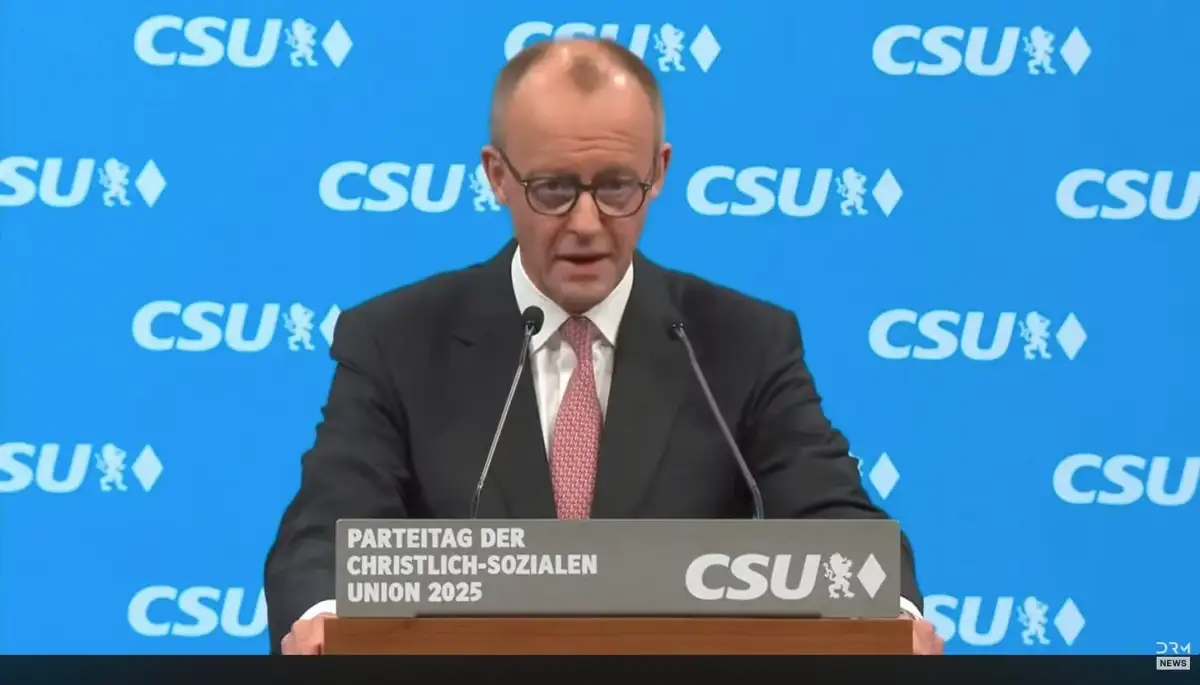
European Pillar: Merz advocates for strengthening the "European pillar of NATO," emphasizing that European nations must take greater responsibility for their security.
Transatlantic Relations: While acknowledging potential unease in Europe regarding the United States, Merz dismisses calls to abandon the US as a partner. He suggests, however, that the US should exhibit more respect for its European allies. His remarks imply a need for a recalibration of the transatlantic relationship, noting a "deep rift" that questions long-held assumptions.
Nuclear Deterrence: Merz has initiated preliminary discussions with French President Emmanuel Macron regarding a potential European nuclear deterrence program. This program would, in principle, be integrated within NATO's existing nuclear sharing framework.
Pragmatic Foreign Policy: Merz champions a foreign policy that is "geared towards our interests and those of Europe," suggesting a more interest-driven approach to international relations.
Emerging Global Dynamics
The assessment that the existing world order is in decline is not isolated to Merz's statements. Scholars and observers have noted a transition towards a multipolar world, with nations like China actively seeking to reshape global institutions to better reflect their influence. This period is characterized by uncertainty, with the exact form of a future global arrangement remaining unclear.
Read More: House Votes to Limit President's War Power on Iran
End of an Era: The concept of "Pax Americana," a period of relative peace and stability attributed to US global leadership, is seen by some as waning. This has led to a recognition that Europe may be entering a more complex and potentially more dangerous era.
Multipolarity: Evidence suggests the emergence of a world with multiple centers of power, moving away from a singular dominant influence.
Interconnected Policies: Merz has highlighted that domestic, economic, trade, defense, and foreign policies are increasingly intertwined, requiring a more integrated approach to national and European strategy.
Germany's Role in a New Order
Germany, under Merz's leadership, expresses a clear intention to actively participate in shaping a new global order. This involves a pragmatic foreign and security policy focused on German and European interests.

Active Participation: Germany wishes to "help shape a new world order," moving beyond a passive role.
Acknowledging US Importance: Despite calls for European autonomy, Merz stresses that the US remains a crucial partner, indicating that calls to disregard the US are "unrealistic." His analogy, preferring "whiskey to vodka" over a choice between the US and Russia, underscores this pragmatic stance.
European Leadership: Merz has indicated a desire for Germany to lead Europe in economic matters, further suggesting a broader ambition for European influence.
Expert Insights and Observations
The statements by Chancellor Merz align with broader analyses of the current international environment.
Seriousness of the Moment: Wolfgang Ischinger, a former German ambassador to the US, has urged a serious and direct approach to discussing global challenges, stating, "This is not a time to mince our words."
Uncertainty of the Future: While the old order may be fading, the precise characteristics of a new global arrangement are yet to be fully defined. This uncertainty necessitates careful strategic planning.
Conclusion and Implications
Chancellor Merz's declarations at the Munich Security Conference signify a pivotal moment in international relations. The perceived end of "Pax Americana" for Europe, coupled with growing global multipolarity, necessitates a significant recalibration of foreign and security policies. Germany's stated ambition to strengthen European capabilities and pragmatically shape a new world order highlights a desire for greater European agency. The coming years will likely witness ongoing efforts to define the contours of this emerging global landscape and Europe's evolving role within it.
Sources Used:
The Guardian: Provides live updates from the Munich Security Conference, detailing Merz's specific remarks on European defense, US relations, and nuclear deterrence. https://www.theguardian.com/world/live/2026/feb/13/munich-security-conference-rubio-flies-in-amid-testing-times-for-us-europe-ties-live
BB.LV: Reports Merz's declaration of the end of the Western world order and the emergence of a new, albeit unclear, global structure. https://en.bb.lv/article/world-news/2025/11/17/merz-declared-the-end-of-the-western-world-order-77666
diplo.news: Discusses Germany's desire to be involved in shaping a new world order and Merz's praise for his Foreign Minister, highlighting the integration of various policy areas. https://www.diplo.news/en/articles/merz-deutschland-will-die-weltneuordnung-mitgestalten
The Intellectualist: Features Merz's warning that "Pax Americana is over" for Europe and his prediction of a more dangerous era, quoting his statement on the conclusion of decades of American dominance. https://theintellectualistofficial.substack.com/p/merz-warns-pax-americana-is-over
The Conversation: Offers a broader perspective on the end of world orders and the emergence of a multipolar world, which provides context for Merz's observations. https://theconversation.com/a-new-world-order-isnt-coming-its-already-here-and-this-is-what-it-looks-like-264622