TELESCOPE'S SWEEPING GAZE AIMS TO CATCH SOON-TO-FALL ROCKS
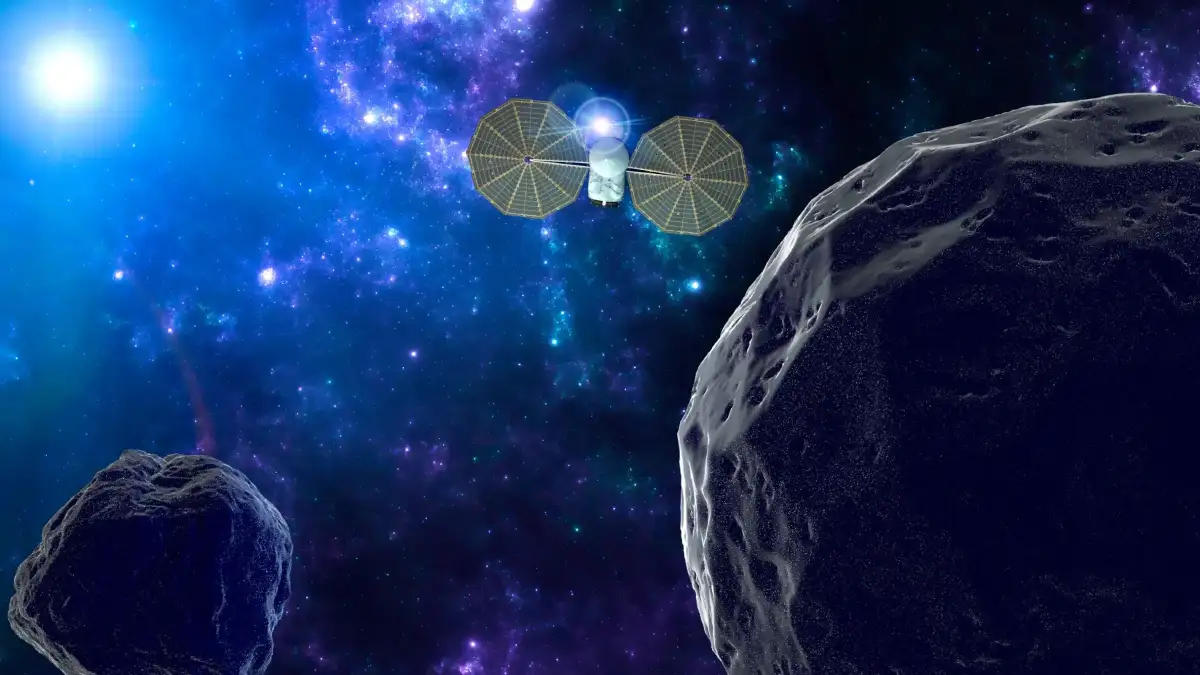
The upcoming Vera C. Rubin Observatory, with its Legacy Survey of Space and Time (LSST), is poised to detect objects on a collision course with Earth significantly earlier than previously possible. This enhanced foresight, according to simulations, could offer weeks of notice for some incoming celestial bodies, a critical window for more precise impact site predictions and potentially, more comprehensive observation of these rare phenomena. While larger, more devastating impactors remain a rarer threat, the observatory's capability to spot them in advance is highlighted as a crucial development.
NEW OBSERVATIONAL STRATEGIES
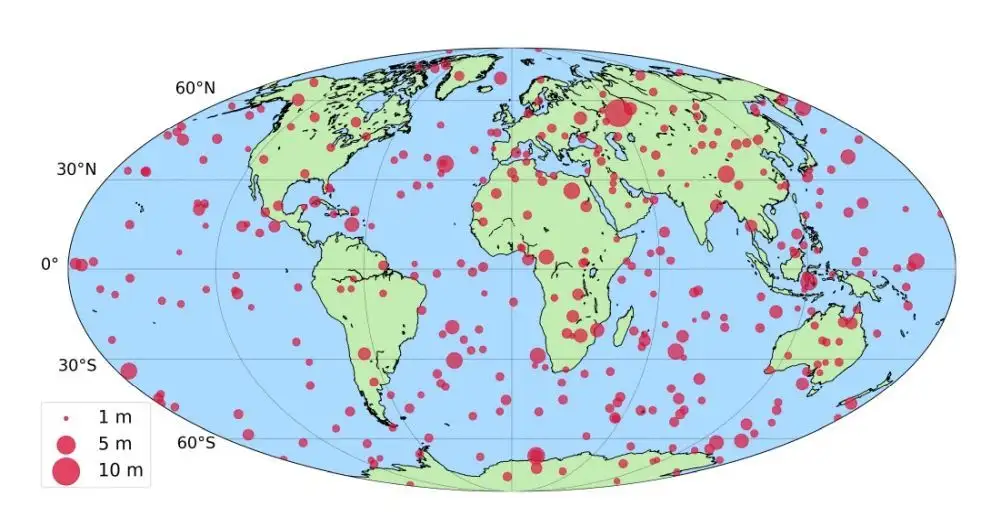
LSST's approach involves simulated observations, testing various detection methods. Current strategies focus on identifying faint objects across the sky. The observatory will employ a dual approach for detecting fast-moving objects: a standard three-night observation strategy alongside a dedicated one-night plan designed to match rapidly moving streaks across multiple exposures. This adaptation aims to counter a perceived bias in existing asteroid surveys, which are often concentrated in the Northern Hemisphere. Simulations suggest LSST will similarly identify impactors with a bias towards the Southern Hemisphere, providing a complementary observational capability.
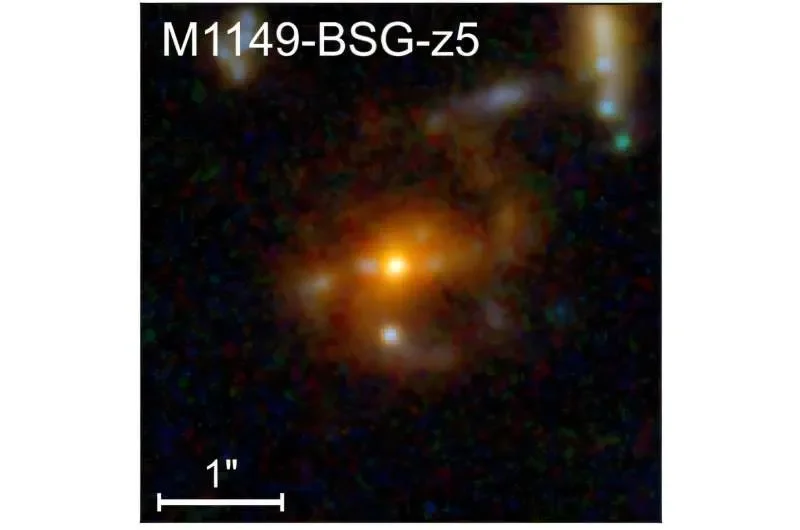
Read More: JWST Finds Oldest Barred Spiral Galaxy M1149-BSG-z5

CHALLENGES AND IMPLICATIONS
Despite the optimistic projections, identifying these "imminent impactors" presents a specific challenge for LSST, even with its general strength in detecting faint cosmic entities. While upper-mid-sized objects are typically discovered only months before impact, smaller ones can be revealed mere weeks or even days beforehand. This means that while LSST offers improved warning times, the window can still be quite constrained, particularly for smaller threats. The study of these objects, from their presence in space to their atmospheric entry and eventual terrestrial remnants, is considered a rare scientific opportunity.
BACKGROUND CONTEXT
The threat of asteroid impacts, though infrequent for larger celestial bodies, is acknowledged as a serious natural hazard. Previous discoveries of imminent impactors show a geographical skew, linked to the location of observatories. The LSST's wider field of view and advanced detection algorithms are intended to broaden this scope and improve the timeline for actionable intelligence on potential extraterrestrial arrivals.
Read More: US Space Force Victus Haze Mission Successfully Tests Orbital Intercepts