

:max_bytes(150000):strip_icc()/ms-to-go-coffee-cup-0d5dd835cf7d47c89a61ff1d3fc8aa30.jpg)
THE CAUTIONARY TALE OF THE CONTAMINATED BIN
"Not everything that looks recyclable actually belongs in your recycling bin."
The persistent belief that all items bearing the familiar triangular arrow symbol are destined for recycling is a dangerous fallacy, leading to widespread contamination of recycling streams and an increased cost for processing. Ordinary household items, from greasy pizza boxes to certain types of plastic, are frequently tossed into bins with the best of intentions, only to derail entire batches of more viable materials. This widespread misunderstanding underscores a critical disconnect between public perception and the actual mechanics of waste management, forcing facilities to deal with materials they are ill-equipped to handle.

THE UNSEEN CULPRITS
Everyday objects, often presumed to be benign additions to the recycling stream, present significant hurdles:
Greasy Food Containers: Pizza boxes, even when partially clean, can taint a larger volume of cardboard. The residual grease contaminates the fibers, making them unusable for new paper products.
Miscellaneous Plastics: A broad category, these include items like disposable cutlery and certain types of plastic bags. While some plastics are recyclable, many, particularly those not designated as number 1 or 2 plastics, are problematic. Their presence can disrupt the sorting process at recycling facilities.
Lightbulbs: Different types of lightbulbs require specialized handling. Many common household bulbs, including incandescent and fluorescent varieties, contain materials that cannot be processed through standard recycling. Specific recycling facilities or manufacturer guidelines are necessary for their proper disposal.
Batteries: Batteries, especially lithium-ion or alkaline types, pose a fire risk and contain hazardous materials. They must be taken to dedicated battery recycling centers, not placed in regular bins.
Loose Plastic Bottle Tops: While the bottles themselves may be accepted, the plastic caps often present a dilemma. Their recyclability can vary by municipality, and it's frequently advised to remove them, though this too has nuances.
BAGS OF TROUBLE
A common, yet detrimental, practice involves bagging recyclables.
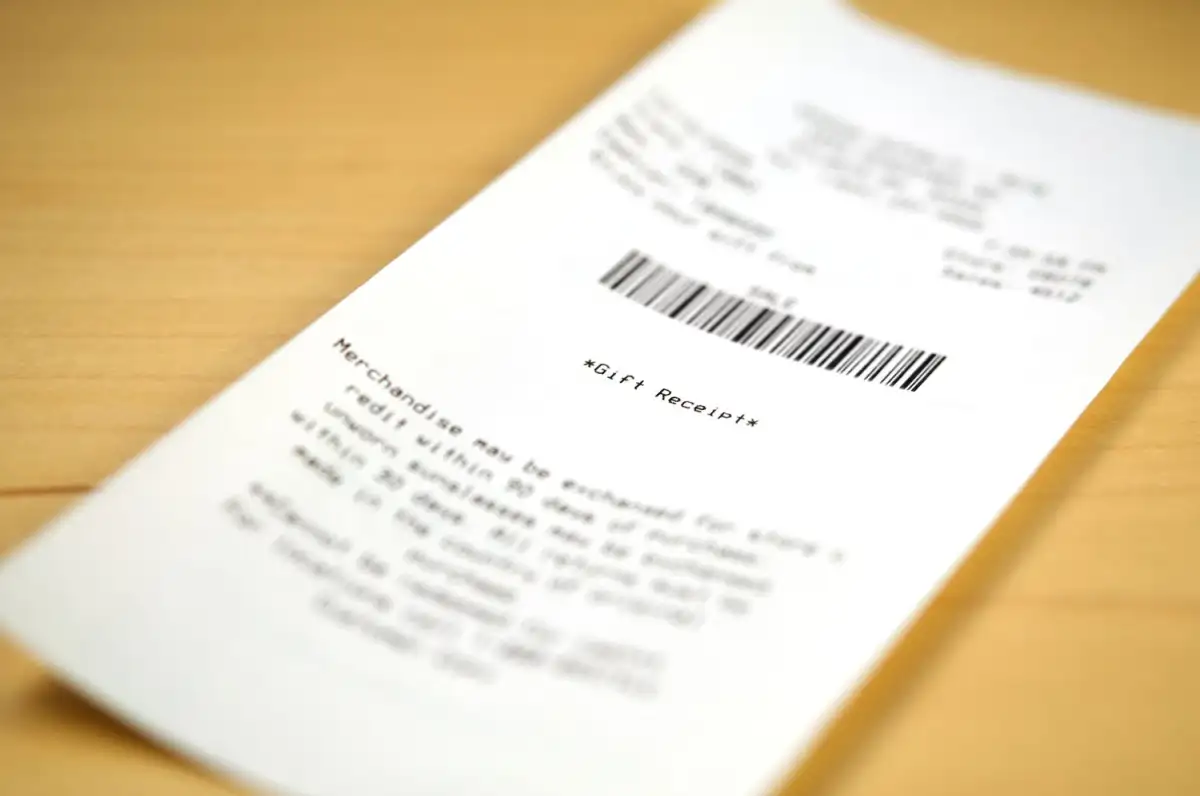
"It may seem harmless to group recyclable things together in small plastic grocery bags and put them in your home recycling bins, but they aren’t taken through curbside recycling programs."
Placing recyclables inside plastic grocery bags, or any bags for that matter, is a major contaminant. These bags themselves can jam machinery at sorting facilities, and the contents within them are often rendered unrecoverable. Residents are urged to deposit recyclables loosely into their bins.
Read More: Few Climate Policies Work Well, New Study Shows
BACKGROUND NOISE
The complexities surrounding recycling stem from evolving technologies, varied municipal capabilities, and a general lack of precise public education. What might be accepted in one town could be a contaminant in another. This variability fuels confusion, turning what should be a straightforward civic duty into a minefield of potential errors. The drive for a more efficient recycling process hinges on individual diligence and a willingness to look beyond the symbol, to understand the actual journey of waste. The environmental and economic toll of contaminated recycling is significant, making a more nuanced approach imperative for a truly sustainable future.