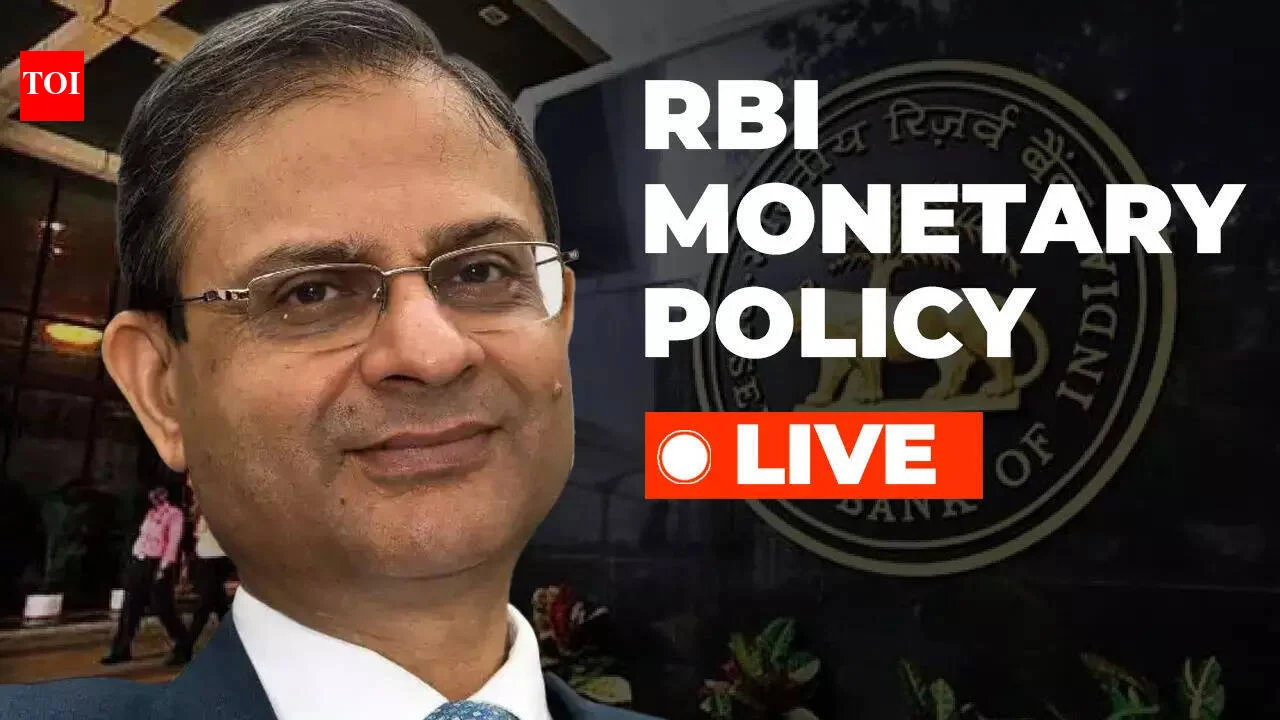
February 6, 2026 – The nation’s financial pulse is set to quicken this morning as Governor Sanjay Malhotra and his Monetary Policy Committee (MPC) at the Reserve Bank of India (RBI) prepare to unveil their final interest rate decision for the fiscal year 2025-26. With the three-day policy meeting concluding today, the spotlight is intensely focused on whether the MPC will maintain the status quo or pivot on the repo rate. While domestic economic indicators, including recent trade deals and a growth-oriented budget, paint a supportive picture, the market’s gaze is also fixed on the subtle undercurrents of liquidity management and the full impact of past policy adjustments. Will the RBI offer a clear signal on its future trajectory, or will a cautious approach prevail?
A Policy Confluence: Budget, Trade, and the Economic Tightrope
The RBI's Monetary Policy Committee (MPC), a six-member body tasked with steering India's monetary policy, has convened for its final bi-monthly meeting of FY26. This gathering, held from February 4th to 6th, comes at a pivotal moment. The backdrop is one of carefully managed economic conditions, with recent positive developments including the finalisation of a significant India-US trade agreement and the unveiling of a growth-focused Union Budget 2026-27. These events, intended to bolster economic activity, naturally lead to questions about how the central bank will respond.
Read More: Retirees Need Cars But Worry About Money
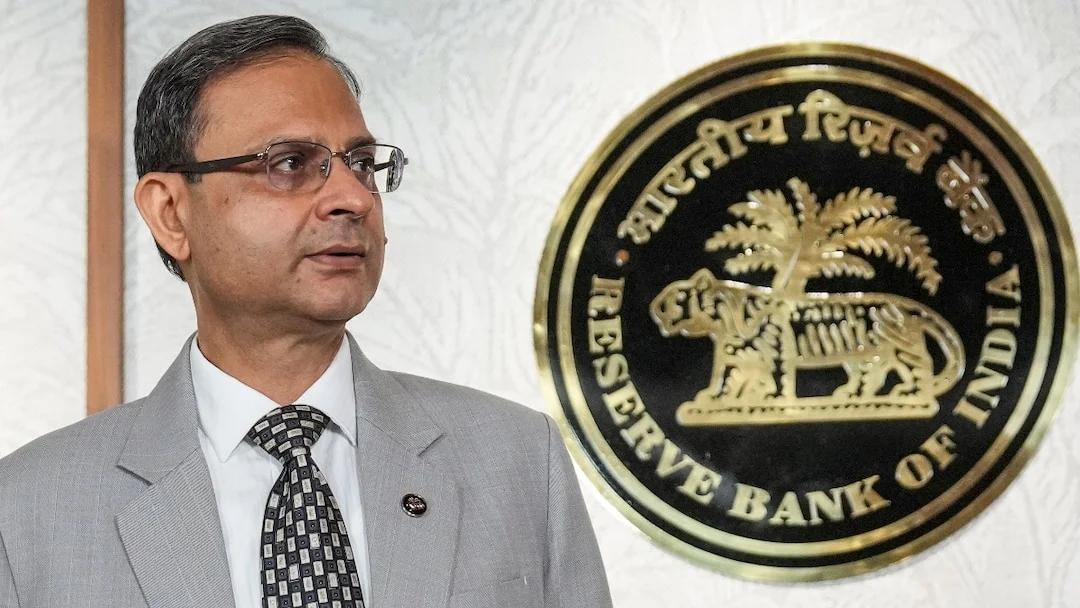
The MPC, chaired by Governor Sanjay Malhotra, is scheduled to announce its decision at 10:00 AM IST today.
The committee has maintained a ‘neutral’ policy stance throughout this period, a detail that observers will be keen to see if it changes.
The meeting's timing, following both the budget and the trade deal, suggests a desire to align monetary policy with broader national economic objectives.
Liquidity’s Tight Embrace: A Quiet Concern?
While the headlines often focus on the repo rate, a more nuanced aspect of the RBI's operations has been its active liquidity management. Over the past quarter, the central bank has been a significant player in the money markets, infusing liquidity through various channels.
Variable Rate Repo (VRR) Operations and Open Market Operations (OMOs) have been employed to ensure adequate liquidity in the system. This suggests a proactive approach to preventing undue tightness in money supply.
However, the RBI has also been issuing very long-duration bonds (15 years and above), a move that has reportedly led to a widening of market spreads. This raises a critical question: Is the RBI’s liquidity infusion merely a countermeasure to the impact of its own long-bond issuances?
Furthermore, the market is closely watching for continuity of these liquidity measures, indicating that any shift in approach could significantly influence market sentiment and borrowing costs.
Read More: India Says US Factsheet Changes Match Trade Deal Understanding
| RBI Liquidity Operations | Details | Potential Impact |
|---|---|---|
| VRR & OMOs | Infusion of liquidity into the banking system. | Aims to ease funding conditions and support credit flow. |
| Long-duration Bond Issuance | RBI issuing bonds with maturities of 15+ years. | Can lead to higher borrowing costs for the government and impact longer-term market yields. |
The Ghost of Inflation and the Slow Burn of Transmission
Despite the seemingly favourable growth and inflation dynamics, a persistent puzzle for policymakers has been the slow transmission of past rate cuts.

Economists note that the transmission of earlier rate cuts to lending rates is still incomplete. This means that while the RBI may have lowered its policy rate, banks have not fully passed on these benefits to borrowers, affecting the intended stimulus to consumption and investment.
The Cash Reserve Ratio (CRR) and Statutory Liquidity Ratio (SLR), often termed "blunt instruments" used sparingly by the RBI, are also tools that could be employed if a more direct intervention is deemed necessary.
Adding to the complexity, bond yields have remained relatively sticky, even as the RBI has eased policy rates. The 10-year yield, for instance, has seen fluctuations but the underlying stickiness suggests that market participants are factoring in other economic considerations or anticipating future policy moves that may not favour lower yields.
Read More: India's Market Rules Made Simpler to Help Businesses and Investors
The market's primary concern is not just the repo rate decision, but also the RBI Governor's commentary on liquidity management and the pace of transmission of previous monetary policy actions.
Growth Projections and Economic Anchors: A Steady Hand?
The economic landscape, as projected by recent official data, appears robust enough to warrant a cautious, rather than aggressive, policy stance.
GDP Growth Forecasts: In December, the RBI had revised its GDP growth projection upwards to 7.3% for FY26. The Economic Survey 2025-26, presented on January 30, 2026, further projected India's real GDP growth at 7.4% for FY26 and between 6.8% to 7.2% for FY27. These figures suggest a healthy trajectory for the Indian economy.
Inflation Outlook: Inflation projections have also been described as favourable, with a forecast of 2% for FY26. This low inflation environment typically provides central banks with room to maneuver on interest rates.
Read More: Italy Wins First T20 World Cup Match Against Nepal
| Key Economic Indicators | Projections | Notes || :———————————— | :————— | :—— || GDP Growth (FY26) | 7.3% (RBI), 7.4% (Economic Survey) | Indicates strong economic expansion. || Inflation (FY26) | 2% (RBI) | Suggests price stability, allowing for policy flexibility. |
Given these supportive domestic factors, many economists and market participants are anticipating the maintenance of the status quo on the repo rate. The prevailing sentiment is that there are no "pressing concerns" on growth or inflation that would necessitate an immediate policy easing.
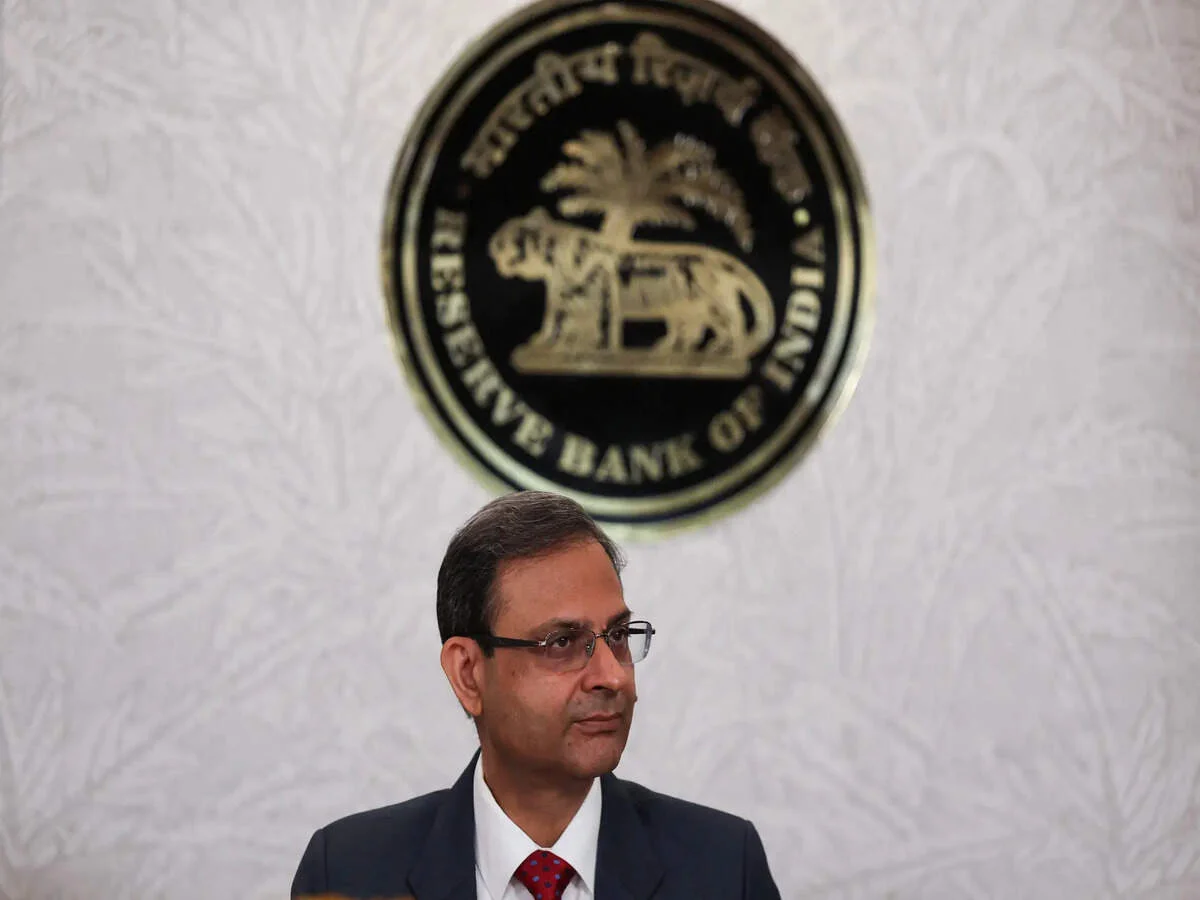
The Governor's Words: What to Watch For
The announcement itself is just the beginning. The true insights often lie in the accompanying commentary by Governor Sanjay Malhotra and the subsequent press conference.
Market Participants' Expectations: Investors are not only looking at the repo rate but also for positive guidance and specific measures on liquidity management.
Policy Stance: Any change in the ‘neutral’ policy stance would be a significant signal of a potential shift in the RBI’s approach.
Future Policy Path: Guidance on the future trajectory of interest rates and the RBI’s assessment of the evolving economic landscape will be crucial for market participants and businesses alike.
Past Echoes: The December Rate Cut and its Aftermath
To understand today's decision, it's pertinent to recall the previous MPC meeting in December 2025. In that instance, the RBI had announced a 25-basis point cut in the policy repo rate, bringing it down to 5.25%. This move was seen as a step towards easing monetary conditions. However, the current situation highlights that the full impact of such cuts takes time to permeate the economy, reinforcing the idea that the RBI might adopt a measured approach today.
Where to Tune In: The Governor's Address
For those eager to follow the announcement, several platforms will be streaming the event live:
Read More: Money Spent, Project Slow: Questions About Sector 7G Funds
RBI’s Official YouTube Channel
RBI’s X (formerly Twitter) Account
RBI Website
Live blogs from major financial news outlets, including Livemint, NDTV Profit, The Times of India, BusinessToday, and Business Standard.
The policy decision will be announced at 10:00 AM IST, followed by a post-policy press conference streamed live on the RBI’s YouTube channel at 12:00 PM noon (February 6, 2026).
In conclusion, the RBI MPC’s decision today is poised to be a carefully calibrated announcement. While the domestic economy presents a picture of steady growth and contained inflation, the intricacies of liquidity management and the slow pace of policy transmission present a complex scenario. Governor Sanjay Malhotra and his committee are likely to prioritize stability and clarity, offering guidance that balances current economic realities with future uncertainties. The market will be dissecting every word, seeking signals that will shape investment and borrowing decisions in the months ahead.
Read More: Indian Railways Plans Big Upgrades for Better Travel and Goods Transport
Sources:
Mint: https://www.livemint.com/market/stock-market-news/rbi-mpc-policy-meet-2026-live-updates-repo-rates-mpc-rbi-monetary-policy-sanjay-malhotra-gdp-inflation-6-february-2026-11770314292509.html
Business Standard: https://www.business-standard.com/finance/news/rbi-mpc-february-2026-meeting-when-where-watch-live-policy-governor-1260205004531.html
NDTV Profit: https://www.ndtvprofit.com/economy/rbi-monetary-policy-meeting-live-updates-2026-mpc-repo-rate-cut-news-governor-sanjay-malhotra-press-conference-10955965
News18: https://www.news18.com/business/rbi-mpc-feb-meeting-2026-time-where-how-to-watch-governor-sanjay-malhotras-speech-live-today-ws-l-9883051.html
The Times of India: https://timesofindia.indiatimes.com/business/india-business/rbi-mpc-meeting-february-2026-live-updates-rbi-governor-sanjay-malhotra-mpc-repo-rate-cut-monetary-policy-committee/liveblog/127965184.cms
BusinessToday: https://www.businesstoday.in/latest/economy/story/rbi-mpc-today-governor-malhotra-to-announce-policy-today-amid-budget-and-india-us-deal-backdrop-514882-2026-02-06
The Hindu BusinessLine: https://www.thehindubusinessline.com/money-and-banking/rbi-mpc-meet-feb-2026-date-taime-expectations-live-details/article70594936.ece
The Economic Times: https://economictimes.indiatimes.com/news/newsblogs/rbi-monetary-policy-2026-live-updates-rbi-governor-sanjay-malhotra-repo-rate-cut-gdp-cpi-inflation-mpc-meeting-highlights-6-february-2026/liveblog/127964303.cms
News18: https://www.news18.com/business/rbi-mpc-meeting-february-2026-live-updates-rbi-repo-rate-cut-today-monetary-policy-committee-sanjay-malhotra-latest-news-liveblog-ws-l-9883036.html
Business Standard: https://www.business-standard.com/finance/news/rbi-mpc-meet-begins-will-rbi-keep-rates-unchanged-after-us-trade-deal-1260204008651.html
Samco: https://www.samco.in/knowledge-center/articles/rbi-mpc-february-2026-meet-key-updates-live-speech-and-policy-highlights/
Mint: https://www.livemint.com/market/stock-market-news/rbi-mpc-meeting-date-time-where-to-watch-what-to-expect-from-upcoming-announcement-11770277568251.html
NDTV Profit: https://www.ndtvprofit.com/economy/rbi-monetary-policy-2026-date-time-what-to-expect-and-where-to-watch-rbi-governors-statement-live-10949309
5paisa: https://www.5paisa.com/news/rbi-mpc-meeting-2026-policy-review-from-february-4-6-rate-decision-due-on-february-6
The Tribune: https://www.tribuneindia.com/news/economic-growth/rbi-governor-sanjay-malhotra-to-announce-monetary-policy-decision-today-at-10-am-589899
The Economic Times: https://economictimes.indiatimes.com/news/economy/policy/rbi-mpc-meeting-highlights-governor-sanjay-malhotra-key-announcements-6-february-2026/articleshow/127965024.cms
The Economic Times: https://economictimes.indiatimes.com/news/new-updates/rbi-mpc-meet-feb-2026-date-time-expectations-when-and-where-to-watch-the-live-speech-of-governer-sanjay-malhotra/articleshow/127932686.cms
The Economic Times: https://economictimes.indiatimes.com/news/new-updates/rbi-mpc-meeting-time-when-it-will-be-live-streamed-and-how-to-catch-the-governor-sanjay-malhotras-key-decisions/articleshow/127966670.cms
Read More: Northern Ireland Gets £400 Million for Health and Schools